
 |
| Quantity: | |||||||||
|---|---|---|---|---|---|---|---|---|---|
| Low melting point, excellent fluxing effect. Initial melting at 850–900°C reduces energy consumption (>20% vs traditional frits), suitable for fast-firing processes. | |||||||||
Initial Melting Point: 850°C
Applicable Temperature: 1050°C–1150°C
CTE: 165
Low melting point, excellent fluxing effect. Initial melting at 850–900°C reduces energy consumption (>20% vs traditional frits), suitable for fast-firing processes. Calcium-boron/zinc synergy ensures rapid vitrification, preventing underfiring defects. Adjustable gloss (matte to glossy) via process control. For low-temperature once-fired wall tiles, reducing gas costs by 25%. Compatible with digital glaze for marble/terrazzo effects.
| Serial Number | Ingredient Name | Content (%) | Serial Number | Ingredient Name | Content (%) |
| 1 | LOSS(700℃) | <0.05 | 13 | Li2O | 0.02 |
| 2 | Al2O3 | 13.32 | 14 | PbO | <0.01 |
| 3 | SiO2 | 59.68 | 15 | ZnO | <0.01 |
| 4 | Fe2O3 | 0.34 | 16 | SrO | 0.03 |
| 5 | CaO | 22.80 | 17 | MnO | 0.01 |
| 6 | MgO | 2.51 | 18 | Rb2O | <0.01 |
| 7 | K2O | 0.29 | 19 | Cs2O | <0.01 |
| 8 | Na2O | 0.53 | 20 | CdO | <0.01 |
| 9 | TiO2 | 0.30 | 21 | P2O5 | 0.05 |
| 10 | Zr(Hf)O2 | 0.07 | 22 | F | <0.05 |
| 11 | B2O3 | <0.05 | 23 | SO3 | <0.05 |
| 12 | BaO | <0.05 | - | - | - |
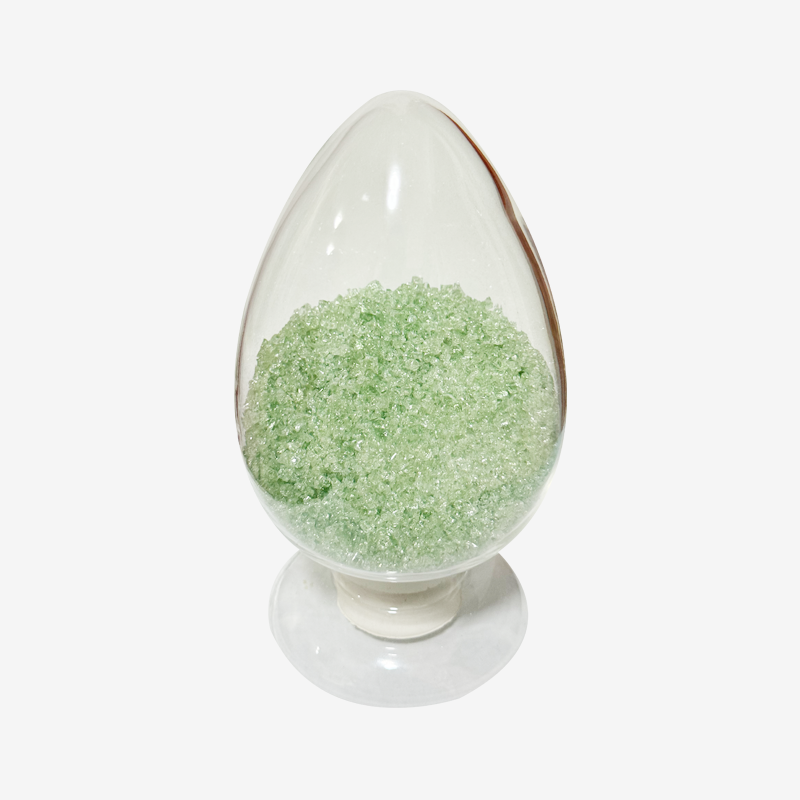
Antique Floor Tile & Roof Tile Frit is a granular glass additive engineered for heritage-style building ceramics, featuring a 100-200 mesh particle size for uniform dispersion in glaze slurries. Formulated with ZrSiO₄ (15-20%, for matte texture) and B₂O₃ (5-8%, for low melting point), it delivers an authentic aged matte finish while enhancing tile durability. The frit melts at 900-1100℃, bonding seamlessly with ceramic substrates to replicate the subtle color variations and texture of 18th-20th century architectural tiles. It has a bulk density of 1.2g/cm³, ensuring easy mixing and minimal sedimentation during storage.
Weather Resistance: Withstands extreme temperature fluctuations (-20℃ to 60℃) and 1000 hours of UV exposure without discoloration; passes 20 freeze-thaw cycles (-20℃ freezing, 20℃ thawing) with no cracking or spalling.
Stain Repellency: Creates a non-porous surface that reduces oil absorption by >80% compared to unglazed tiles—common stains (coffee, red wine, oil) can be wiped clean with a damp cloth.
Heritage Compliance: Matches the color tone (warm beige, terracotta, antique gray) and texture of 18th-20th century architectural tiles, approved for use in UNESCO World Heritage Site restoration projects (e.g., European historic town centers).
Easy Application: Requires no special equipment—mixes with water using standard ball mills, reducing production costs for small to medium-sized tile manufacturers.
Application Scenarios: Historic building renovations (churches, manor houses), rustic-style villas, outdoor patios, heritage site maintenance, and heritage museum exhibition area flooring.
Operation Guidelines: Mix with deionized water (1:1 weight ratio) and ball mill for 4-6 hours (speed: 600 rpm) until the slurry reaches a fineness of <50μm (residue on 325 mesh sieve). Apply via spray glazing (0.4MPa pressure) before single firing—ensure the tile surface is free of dust or oil to avoid pinholes.
Q: Can it be used for roof tiles exposed to heavy rain?
A: Yes—its low water absorption (<0.5%) prevents moisture penetration and subsequent freeze-thaw damage; it is commonly used in regions with annual rainfall exceeding 1500mm.
Q: What firing cycle is recommended?
A: Biscuit fire the tile body at 1000℃ (hold for 20 minutes) to remove organic matter, then cool to 800℃ before applying the frit glaze. Glaze fire at 1050℃ with a 30-minute peak hold to ensure full melting of the frit.
Q: Does it require a sealer after installation?
A: No—the frit forms a dense, self-sealing glaze layer during firing; applying a sealer may alter the authentic antique texture and reduce breathability of the tile.
Q: Is it compatible with terracotta substrates?
A: Yes, adjust the Al₂O₃ content of the glaze slurry to 12-14% (from standard 10%) to match terracotta’s higher thermal expansion coefficient (11-13×10⁻⁶/℃), preventing glaze cracking.
Q: How to store the frit powder to maintain quality?
A: Store in airtight PP bags (capacity: 25kg/bag) at 15-25℃, avoiding direct sunlight and moisture. Humidity above 60% may cause clumping—if clumping occurs, sieve through a 100-mesh screen before use (do not grind, as this may alter particle size).


