Views: 0 Author: Site Editor Publish Time: 2026-06-12 Origin: Site
Transitioning from regular raw materials to engineered fritted systems represents a critical pivot point for scaling ceramic production. You must balance demanding aesthetic requirements against strict quality control standards. Historically, manufacturers relied heavily on a standard raw Tile Glaze to finish their products. However, the modern industry is shifting rapidly toward highly engineered materials. This evolution solves persistent manufacturing bottlenecks. It directly addresses material toxicity, chemical solubility, and thermal unpredictability in the kiln.
We aim to provide a transparent, evidence-based comparison of engineered glass systems versus traditional raw batches. Technical buyers, production managers, and advanced studios need clear data. You must make informed material sourcing decisions to protect your profit margins. This guide helps you understand the core differences between these materials. You will learn exactly how upgrading your inputs impacts firing cycles, defect rates, and overall manufacturing yield.
Solubility & Safety: Ceramic Tile Frit locks volatile, soluble, or toxic elements (like lead or boron) into an inert, safe glass matrix, whereas raw glazes leave them exposed during mixing and application.
Defect Reduction: Frits pre-release off-gassing (carbonates/sulfates) during manufacturing, drastically reducing pinholes, blisters, and crazing in the final tile glaze.
Efficiency: Fritted systems are highly optimized for rapid, once-fired production cycles common in commercial tile manufacturing.
Cost vs. Yield: While frit carries a higher upfront material cost per pound, it systematically lowers total cost of ownership (TCO) by minimizing kiln rejections and improving surface yield.
Many ceramic operations struggle when scaling up their daily production volume. Factories often rely on traditional raw minerals out of habit. These uncalcined ingredients cause significant bottlenecks on the active factory floor. We frequently observe three main areas where traditional batch recipes fail to perform consistently.
Unpredictable Melting Phases
Raw minerals do not melt simultaneously inside the kiln. A standard surface mixture contains silica, alumina, and various natural fluxes. Each component possesses a distinctly different melting point. During a fast firing cycle, these varied temperatures cause uneven fusion. You end up facing inconsistent surface tension across the tile face. When minerals melt unevenly, the fluid viscosity fluctuates wildly. Some areas become watery. Other patches remain stiff and unmelted. You ultimately produce a wavy, irregular finish. This uneven melting behavior ruins large commercial production runs.
Off-Gassing and Surface Defects
Raw materials undergo violent chemical changes under extreme heat. Minerals like limestone and dolomite release large volumes of carbon dioxide. We call this chemical release process off-gassing. Heat forces the carbon out of the mineral structure. The gas travels upward through the molten glass layer. If the surface cools too fast, bubbles freeze permanently in place. You will see this as pinholing or blistering on the final surface. These visible defects render the finished tile unsellable.
Compliance and Handling Risks
Factory safety must remain a top priority for facility managers. Raw batches contain fine airborne silica particles. They also harbor water-soluble heavy metals. Workers face severe respiratory risks during the daily mixing process. Environmental agencies closely monitor these toxic particulate emissions. Handling raw fluxes requires expensive safety protocols and specialized ventilation equipment. Regulatory bodies heavily fine factories failing to capture stray silica dust.
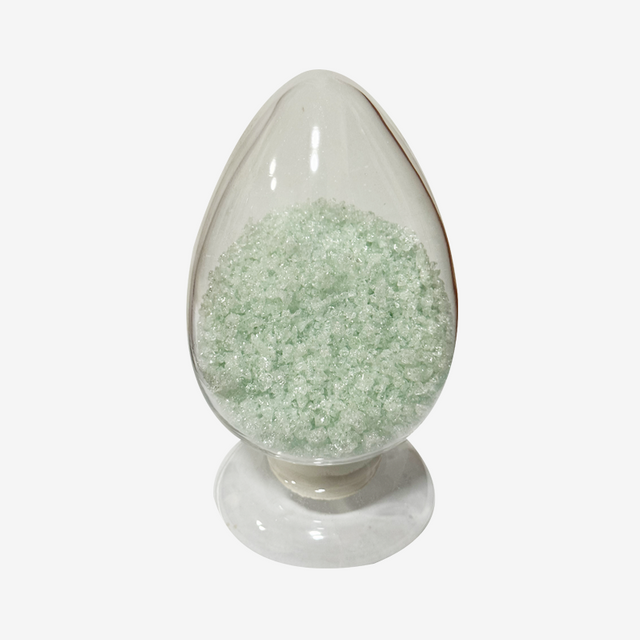
Engineered materials solve the chemical chaos of raw natural minerals. You can think of this engineered product as a pre-fired glass powder. It transforms unpredictable raw elements into a stable, uniform substance. Manufacturers rely on Ceramic Tile Frit to guarantee highly repeatable results.
The Pre-Melting Process
The manufacturing process begins inside a specialized melting furnace. Engineers blend precise chemical ratios of raw minerals. They heat this powder mixture until it becomes liquid molten glass. Furnaces run continuously at extreme temperatures to ensure complete homogenization. Next, technicians pour the liquid glass directly into a cold water bath. This rapid thermal quenching shatters the glass instantly. It breaks apart into tiny, brittle shards. Finally, industrial ball mills grind these glass shards into a fine powder.
Chemical Stabilization
This intense thermal processing alters the fundamental material chemistry. It locks volatile elements permanently into an inert matrix. Borax serves as a highly effective but water-soluble flux. If you add raw borax to water, it dissolves immediately. It then migrates deeply into the porous clay body before firing. Fritting turns this soluble flux into completely insoluble glass. The boron stays trapped safely within the silica structure. Your slurry remains perfectly stable over time. It will not degrade or harden inside your factory storage tanks.
Lowering Firing Temperatures
Pre-melting does the heavy chemical lifting before the factory stage. The complex gas-release reactions already occurred safely in the supplier's kiln. Because of this pre-reaction, the final surface layer matures at much lower temperatures. You consume significantly less natural gas per production run. Lower firing temperatures translate directly into higher operational profit margins.
Let us look closely at how these two distinct approaches compare. We evaluate them systematically across three critical manufacturing metrics. This breakdown helps you quantify the exact value of upgrading your materials.
Raw Glaze: Raw batches are highly susceptible to natural geological variations. Mined minerals change composition from one rock vein to another. Mined feldspar varies heavily by season and extraction location. Your lab technicians must test every incoming truckload. They constantly adjust the base recipe. This endless testing wastes valuable operational time and resources.
Frit: Engineers design pre-melted glass to meet exact chemical specifications. They carefully control the Coefficient of Thermal Expansion (COE) during production. You receive highly repeatable results across multiple different deliveries. Quality control becomes a predictable, entirely streamlined process. You spend less time adjusting recipes and more time producing tiles.
Raw Glaze: Unprocessed minerals demand incredibly slow firing schedules. The kiln must pause systematically at specific temperature ranges. These holding periods allow complex chemical reactions to finish properly. The kiln also needs extended time to vent off-gassing carbonates. You simply cannot push raw minerals through a fast cycle.
Frit: Pre-reacted chemistry proves ideal for modern rapid production. Factories refer to this as monoporosa or monocottura production. Modern roller kilns fire tiles in under 45 minutes. The pre-melted material flows smoothly without releasing any trapped gases. You can push tiles through the roller kiln at maximum design speed.
Raw Glaze: Natural minerals look cheaper per pound on initial purchasing orders. However, they carry massive hidden penalties during actual production. You face significantly higher defect rates. You suffer through longer, energy-heavy kiln times. Safety compliance overhead constantly eats into your operational budget.
Frit: Engineered glass carries a premium upfront price tag. However, this initial cost is easily justified on the factory floor. You will observe massive reductions in daily reject rates. A-grade surface yields often increase above 95 percent. Shorter firing cycles provide substantial natural gas fuel savings. You throw away fewer broken tiles at the sorting line.
Simple Comparison Chart: Raw Materials vs. Engineered Systems | ||
Manufacturing Metric | Traditional Raw Minerals | Engineered Glass Powder |
|---|---|---|
Melting Phase Behavior | Uneven and highly unpredictable | Uniform, smooth, and fully controlled |
Chemical Off-Gassing | High volume (causes severe pinholes) | Zero volume (fully pre-reacted) |
Optimal Firing Cycle | Slow schedules (requires gas venting holds) | Rapid once-fired roller schedules |
Material Solubility | High (fluxes dissolve into tank water) | Low (insoluble protective glass matrix) |
Upgrading your factory materials requires careful, systematic planning. You cannot simply swap one powder for another without testing. Operators face several physical realities during the factory transition phase. Understanding these risks prevents costly line stoppages.
Suspension and Settling Challenges
Pre-melted powder consists entirely of dense, heavy glass particles. It lacks the natural physical buoyancy of raw clay minerals. If you mix it only using plain water, it sinks rapidly. It quickly forms a rock-hard, cement-like layer at the bottom of your tanks. You must actively add suspenders to maintain fluid workability. Common factory additives include bentonite, kaolin clay, or chemical flocculants. Flocculants alter the electrical charge of the water itself. They create a temporary gel-like structure. This suspension network holds the dense glass particles securely in the liquid slurry.
Milling and Particle Size Requirements
You must ball-mill the glass particles to a precise micron size. Factories typically use dense alumina pebbles inside their ball mills. Particle size directly dictates the melting behavior inside the kiln. You must consistently measure the residue on a standard 325-mesh screen.
Over-milling: This creates excessive ultra-fine particles. Surface tension increases dramatically. This causes the fluid surface to crawl and separate during firing.
Under-milling: This leaves unexpectedly large glass chunks in the slurry. The melted surface feels rough, bumpy, and chemically incomplete.
Consistency: Maintaining exact milling time remains absolutely critical for long-term production success.
Matching Thermal Expansion (COE)
You must perfectly match the glass COE to your specific clay body. The ceramic body expands outward during heating. It contracts inward during cooling. The glass layer must move at the exact same thermal rate. Imagine stretching a tight rubber band over a wooden block. If the band fits too tightly, it snaps under pressure. If the glass shrinks more than the clay, it cracks audibly. We call this defect crazing. If the clay shrinks more than the glass, it peels completely off the edges. We call this defect shivering. Always calculate the thermal match before running a full production line.
Every factory operates under unique financial and physical constraints. You must choose the correct material strategy for your specific product lines. We break down exactly when to use each approach.
When to Retain Raw Glazes
Raw materials still make practical sense in very narrow use cases. You might keep using them under the following conditions:
You produce highly specific artistic finishes requiring organic, unpredictable textures.
You operate high-temperature porcelain kilns where raw fluxes melt perfectly well.
You face extreme budget constraints on low-tier, slow-fired brick or terra cotta items.
When to Specify Ceramic Tile Frit
You should upgrade immediately to engineered systems under specific manufacturing conditions. Consider making the switch if you experience any of the following triggers:
You are transitioning your factory lines to fast-fire continuous roller kilns.
Your commercial clients require high-gloss, entirely defect-free surface finishes.
Your formulas require powerful boron or lead fluxes, but you must handle them safely.
Your facility faces stringent environmental compliance audits regarding airborne toxicity.
Evaluation Criteria for Suppliers
Treat your glass powder manufacturer as a vital strategic partner. Do not buy solely based on the lowest price per pound. You should demand rigorous documentation before signing a supply contract.
Supplier Documentation Evaluation Criteria | |
Required Documentation | Why It Matters to Your Production |
|---|---|
COE Consistency Reports | Ensures the surface layer will not craze or shiver across different seasonal batch deliveries. |
Chemical Purity Testing Data | Confirms the complete absence of tramp metals. Tramp metals cause unwanted colored spotting. |
Tailored Wear Formulations | Matches the exact scratch resistance ratings needed for heavy floor use versus decorative wall panels. |
Raw mineral ingredients will always remain foundational to the broad history of ceramics. However, engineered glass powder stands firmly as the modern commercial industry standard. It guarantees scalable, entirely defect-free, and occupationally safe manufacturing. You remove the chemical unpredictability associated with raw earth minerals. You replace it with a highly controlled, scientifically stable process.
We strongly encourage factory decision-makers to audit their current defect rates. You should request detailed COE data sheets from your current material suppliers. Initiate lab-scale sample testing for rapid once-fired formulations immediately. These small investigative steps yield massive long-term improvements in production reliability. You will quickly notice smoother daily operations. You will ultimately achieve significantly higher quality commercial outputs.
A: Yes. Frit is commonly used as an additive (a "fritted flux") alongside raw materials to lower melting points while maintaining the suspension benefits of raw clay.
A: No. While it eliminates off-gassing defects, improper milling or a severe COE mismatch with the clay body will still cause crawling or crazing.
A: No. While fritting makes lead safer to handle and less soluble, leaded frits still exist for specific low-fire applications. Buyers must specifically source "lead-free frit" if compliance requires it.
A: Frits generally provide a purer, more transparent glass matrix than raw glazes, allowing commercial inclusion stains to present brighter and more consistently.