|
| Quantity: | |||||||||
|---|---|---|---|---|---|---|---|---|---|
| Excellent transparency and color vibrancy, versatile applicability. | |||||||||
Initial Melting Point: 900°C
Applicable Temperature: 1050°C–1180°C
CTE: 165
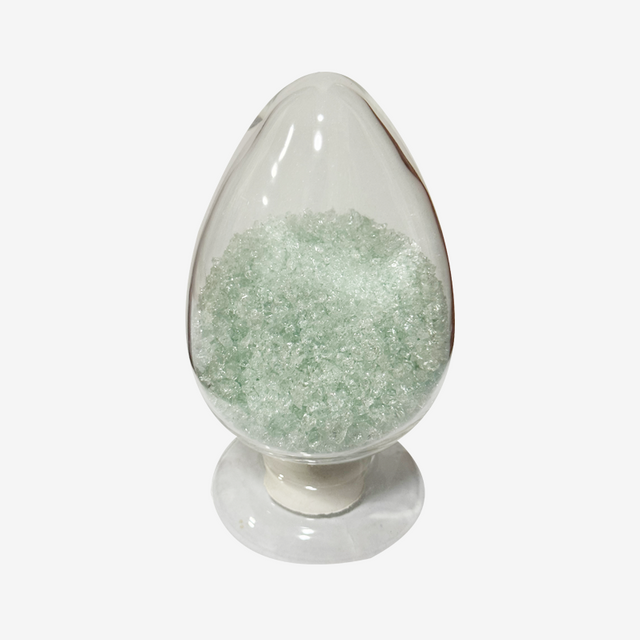
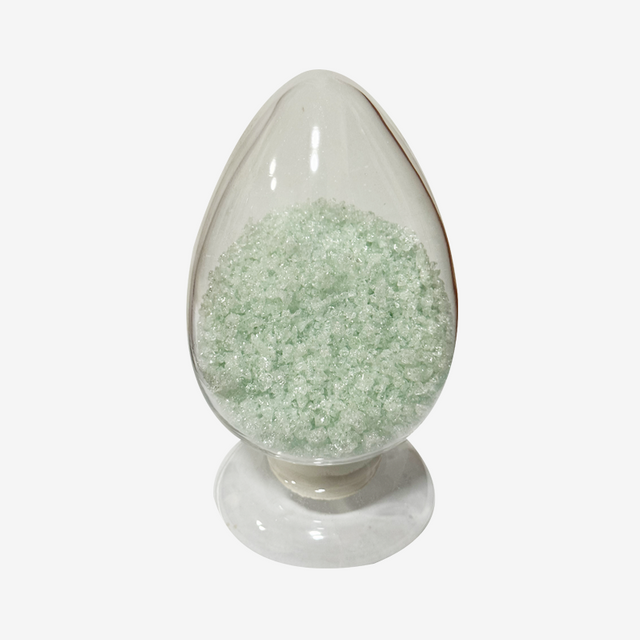
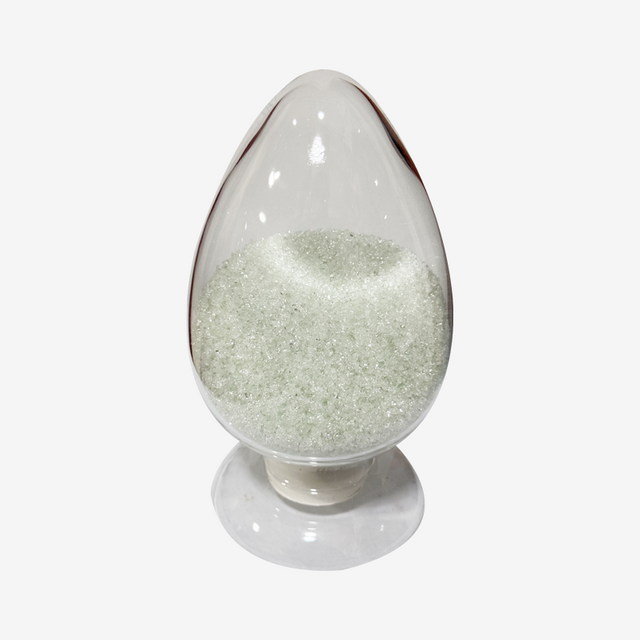
Excellent transparency and color vibrancy, versatile applicability. Glaze layer is clear as spring water (>90% light transmittance), perfectly revealing body color and texture—especially suitable for light-colored bodies, resulting in a transparent "glazed crystal" effect. Zinc enhances toughness to buffer external impacts and protect fragile bodies (e.g., bone china, lace porcelain) from cracking. Tactile feel resembles silk, distinct from conventional transparent glazes. Applied in art plates and backlit walls, displaying dynamic light/shadow under sunlight.
| Serial Number | Ingredient Name | Content (%) | Serial Number | Ingredient Name | Content (%) |
| 1 | LOSS(700℃) | <0.05 | 15 | Li2O | <0.01 |
| 2 | Al2O3 | 6.85 | 16 | PbO | 0.06 |
| 3 | SiO2 | 64.26 | 17 | ZnO | 4.66 |
| 4 | Fe2O3 | 0.16 | 18 | SrO | 0.14 |
| 5 | CaO | 12.08 | 19 | MnO | <0.01 |
| 6 | MgO | 1.59 | 20 | Rb2O | 0.01 |
| 7 | K2O | 3.64 | 21 | Cs2O | <0.01 |
| 8 | Na2O | 1.83 | 22 | CdO | <0.01 |
| 9 | TiO2 | 0.03 | 23 | P2O5 | <0.05 |
| 10 | Zr(Hf)O2 | <0.01 | 24 | F | <0.05 |
| 11 | B2O3 | 2.92 | 25 | SO3 | <0.05 |
| 12 | BaO | 1.66 | 26 | Cr2O3 | <0.01 |
| 13 | NiO | <0.01 | 27 | CuO | <0.01 |
| 14 | CoO | <0.01 | - | - | - |
Floor Tile Transparent Frit is a clear, bubble-free glass additive designed to preserve the natural patterns of tile substrates (e.g., marble veining, wood grain, stone texture). Composed of 70% SiO₂ (for transparency) and 15% Na₂O (for low melting point), it melts at 1100-1200℃ to form a smooth, protective layer with a light transmittance of 90%—nearly identical to the refractive index of glass (1.52), ensuring the substrate pattern is displayed without distortion. The frit has a low alkali content (<5%), preventing efflorescence (white salt deposits) on tile surfaces after installation. It is available in powder form, with a bulk density of 1.1g/cm³ for easy mixing.

Substrate Visibility: 90% light transmittance showcases decorative tile designs (e.g., digital-printed wood grain) with true-to-life color and detail—no blurring or color fading.
Chemical Resistance: Withstands exposure to household cleaners (pH 2-12), wine, coffee, and cooking oil for 48 hours without staining or etching; easy to clean with mild soap and water.
Cost Efficiency: Eliminates the need for colored pigments, reducing material costs by 100% compared to colored glazes. It also requires only one coat (vs. 2-3 for colored glazes), cutting labor and firing costs.
Durability: Forms a dense layer with a Mohs hardness of 6.5, resisting scratches from daily foot traffic and light furniture movement; maintains transparency for 10+ years with proper maintenance.
Application Scenarios: Decorative floor tiles (living rooms, bedrooms), kitchen backsplashes, bathroom feature walls, and commercial display walls (retail stores, showrooms) with printed or natural patterns.
Operation Guidelines: Mix the frit powder with deionized water and 2% CMC (carboxymethyl cellulose) as a suspending agent—stir at 800 rpm for 10 minutes to ensure CMC is fully dissolved (avoid lumps). Dip-glaze the tile for 3 seconds (control withdrawal speed at 5cm/second) to achieve a uniform 0.3mm thickness. Fire immediately after glazing (within 2 hours) to prevent moisture absorption; fire at 1150℃ with a 25-minute peak hold.
Q: Will it yellow over time?
A: No—its UV-stable formula (contains 0.5% cerium oxide) resists discoloration even after 10+ years of indoor or outdoor use (for covered patios). It is tested to withstand 2000 hours of UV exposure (340nm) with no yellowing (Δb* <0.5).
Q: What tile thickness is compatible?
A: Works with 6-12mm thick porcelain and ceramic tiles. For thinner tiles (6-8mm), reduce the glaze thickness to 0.25mm to avoid warping during firing.
Q: How to avoid glaze runoff on tile edges?
A: Control the slurry viscosity to 1.4g/cm³ (measured with a hydrometer) and drain excess glaze by holding the tile at a 45° angle for 10 seconds after dipping. For large-format tiles (1200x2400mm), use a sponge to remove excess glaze from edges before firing.
Q: Does it require a topcoat?
A: No—one application forms a self-sufficient protective layer with sufficient hardness and transparency. Adding a topcoat may reduce transmittance and alter the substrate’s appearance.
Q: Can it be applied on large-format tiles (1800x3600mm)?
A: Yes, use a high-pressure spray gun (0.6MPa) instead of dipping to ensure even coverage. Divide the tile into 4 equal sections and spray each section in a crisscross pattern (horizontal then vertical) to avoid runoff. Allow 10 minutes of drying time between sections.