|
| Quantity: | |||||||||
|---|---|---|---|---|---|---|---|---|---|
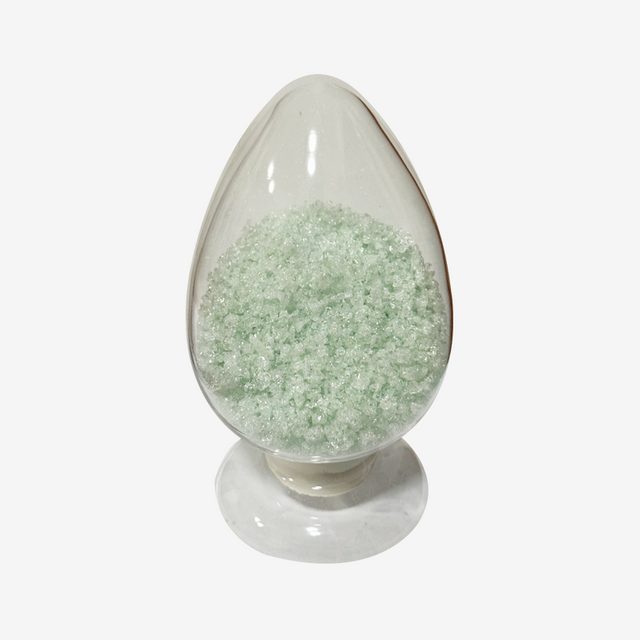
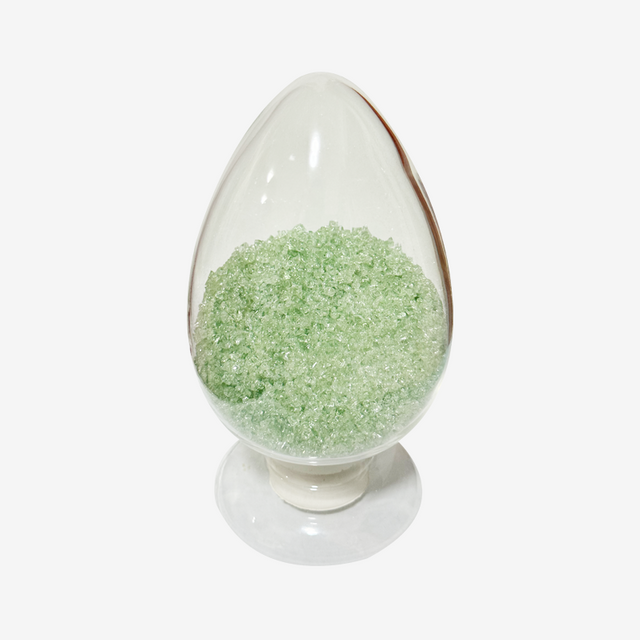
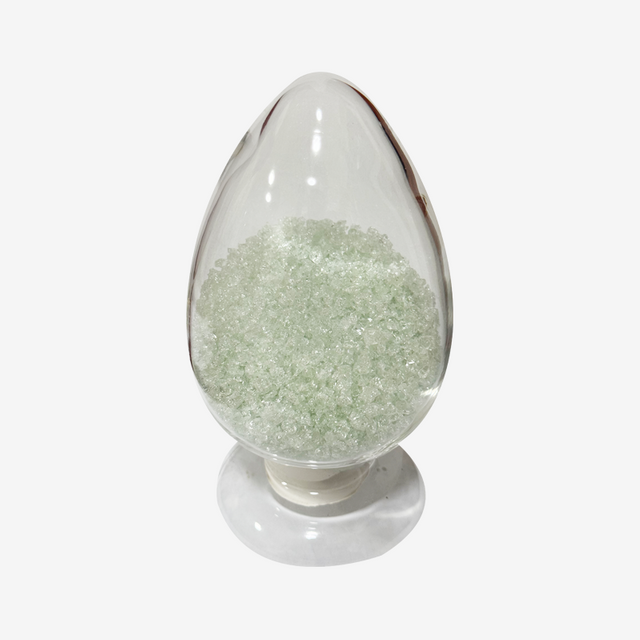
| High transparency, excellent color vibrancy, low CTE—ideal for terracotta and tableware. | |||||||||
Initial Melting Point: 850°C
Applicable Temperature: 1050°C–1180°C
CTE: 170
High transparency, excellent color vibrancy, low CTE—ideal for terracotta and tableware. High-boron formula with silica/alumina achieves ultra-low expansion, withstanding extreme thermal shock (e.g., freezer-to-oven transitions). Easily matches body CTE to reduce crazing/peeling risks. For heat-resistant glassware.
| Serial Number | Ingredient Name | Content (%) | Serial Number | Ingredient Name | Content (%) |
| 1 | LOSS(700℃) | <0.05 | 15 | Li2O | 0.02 |
| 2 | Al2O3 | 11.38 | 16 | PbO | <0.01 |
| 3 | SiO2 | 58.40 | 17 | ZnO | 0.72 |
| 4 | Fe2O3 | 0.17 | 18 | SrO | 0.52 |
| 5 | CaO | 8.16 | 19 | MnO | <0.01 |
| 6 | MgO | 1.00 | 20 | Rb2O | 0.01 |
| 7 | K2O | 3.23 | 21 | Cs2O | <0.01 |
| 8 | Na2O | 3.28 | 22 | CdO | <0.01 |
| 9 | TiO2 | 0.14 | 23 | P2O5 | <0.05 |
| 10 | Zr(Hf)O2 | 0.04 | 24 | F | <0.05 |
| 11 | B2O3 | 10.75 | 25 | SO3 | 0.05 |
| 12 | BaO | 1.91 | 26 | CeO2 | 0.05 |
| 13 | CuO | <0.01 | 27 | Cr2O3 | <0.01 |
| 14 | CoO | <0.01 | - | - | - |
Daily Use Porcelain Transparent Glaze is a food-safe, lead-free coating designed for tableware (dinner plates, soup bowls, coffee mugs, and dessert dishes), meeting FDA 21 CFR 175.300 (U.S.) and GB 4806.4-2016 (China) food contact standards. Its lead (<0.5mg/L) and cadmium (<0.25mg/L) migration levels are 90% below regulatory limits, ensuring safety for daily use. The glaze has a low drying shrinkage rate (<3%), minimizing warping of thin porcelain pieces, and a refractive index of 1.51, enhancing the natural whiteness of porcelain without distortion. It is available in liquid form (ready-to-use) or powder form (requires mixing with water).

Health Safety: Passes rigorous 4% acetic acid immersion tests (22℃, 24 hours) with no detectable heavy metal leaching; safe for children’s tableware and microwave use.
Dishwasher Durability: Resists 500+ commercial dishwasher cycles (65℃, alkaline detergent) without clouding, peeling, or color change—outperforms budget glazes (typically 200-300 cycles).
Optical Clarity: Enhances porcelain’s natural whiteness with a light transmittance of 85%, making it ideal for showcasing delicate porcelain patterns (e.g., hand-painted blue and white designs).
Thermal Stability: Withstands rapid temperature changes (-20℃ to 120℃) without cracking—safe for use in freezers, microwaves, and ovens (up to 150℃).
Application Scenarios: Mass-produced dinnerware (for supermarkets and home goods brands), restaurant crockery (high-frequency use), hotel tableware, and home kitchen porcelain.
Operation Guidelines: For liquid glaze: Use dip-glazing at 0.3MPa pressure, dip the porcelain piece for 5-8 seconds to ensure even coverage (target thickness: 0.2mm). For powder glaze: Mix with deionized water (1:0.8 weight ratio) and stir for 15 minutes until smooth. Fire at 1250-1350℃ (high temperature, oxidation atmosphere) with a 40-minute peak hold to achieve full transparency.
Q: Is it safe for microwave use?
A: Yes—its thermal shock resistance (-20℃ to 120℃) prevents cracking even when heated from frozen to 100℃ in a microwave; avoid heating empty pieces to prevent overheating.
Q: How long does FDA certification take for this glaze?
A: Typically 3-6 months, including material composition testing, migration testing (heavy metals, additives), and facility audit (to ensure no cross-contamination with non-food-grade materials). We provide a pre-certified test report to speed up customer certification processes.
Q: Can it cover minor surface defects on porcelain?
A: Yes, 2 thin coats (total thickness 0.3mm) fill micro-scratches (<0.05mm deep) while maintaining transparency. For deeper defects (>0.1mm), apply a thin base coat, sand lightly after drying, then apply a second coat.
Q: What causes pinholes in the finished glaze?
A: Rapid heating below 900℃ (where organic matter burns off) is the main cause—slow the heating rate to 100℃/hour between 600℃ and 900℃ to allow gases to escape. Other causes include oily residues on the porcelain surface (clean with 5% ethanol before glazing).
Q: Can it be used for porcelain with hand-painted patterns?
A: Yes, apply a thin first coat (0.1mm) to seal the pattern and prevent ink bleeding, then a second coat (0.1mm) for full transparency. Avoid thick layers (>0.25mm) as they may blur fine details of the pattern.