 |
| Quantity: | |||||||||
|---|---|---|---|---|---|---|---|---|---|
| High-expansion glaze for adjusting CTE, used in special crackle effects. | |||||||||
Initial Melting Point: 850°C
Applicable Temperature: 1000°C–1500°C
CTE: 380
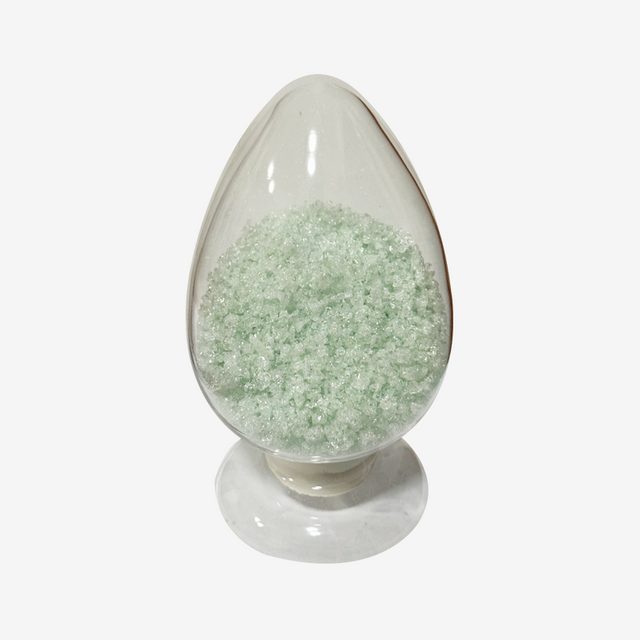
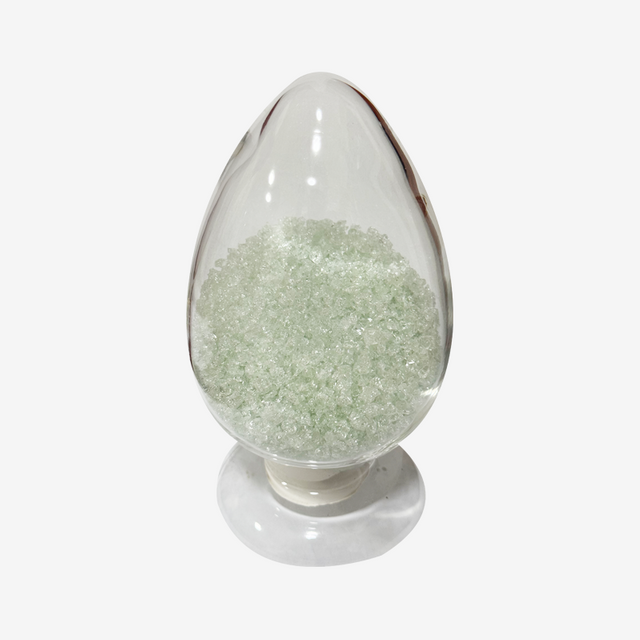
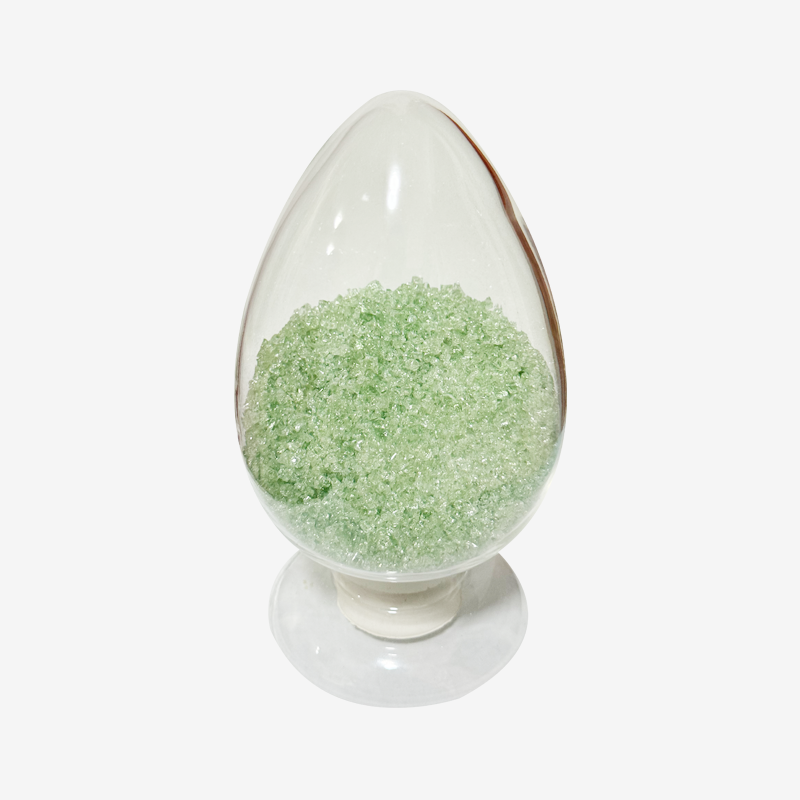
High-expansion glaze for adjusting CTE, used in special crackle effects. Significantly higher CTE than the body causes intense glaze shrinkage during cooling, naturally forming artistic cracks (craquelure, ice-flower, or cicada-wing patterns) to create an aged aesthetic. Crack networks can be infused with pigments or metal oxides for gilded, celadon, or rust effects—ideal for replicating bronze/antique pottery. Crack width is adjustable (hairline to root-like), with depth limited to the glaze layer to preserve body integrity. For artistic rustic tiles.
Crackle Ceramic Glaze is a vintage-textured glassy coating formed through controlled thermal contraction during firing, drawing inspiration from ancient Chinese Ge Kiln craftsmanship—particularly the classic "golden wire and iron wire" crackle patterns. Its distinctive fissure networks result from precise glaze thickness adjustment (recommended 0.3–0.5mm per coat) and a 1020°–1060°C firing range, creating unique visual depth without compromising ceramic structural integrity. This glaze integrates modern formula refinements, such as added alumina to enhance adhesion, making it compatible with both porous earthenware and dense porcelain bases.

Timeless Aesthetic Appeal: Natural crackle networks enhance vintage and artistic designs, with patterns that deepen and refine over one week post-firing—ideal for high-end boutique interiors, heritage restoration projects, and artisanal home decor. Unlike artificial decals, the crackles form organically, ensuring no two pieces are identical.
Process Versatility: Compatible with both traditional high-temperature firing (electric/gas kilns) and simplified air-dry formulations for artisan flexibility. Air-dry variants cure fully in 72 hours at room temperature (20–25°C), eliminating kiln access barriers for hobbyists.
Durable Structure: Cracks are purely decorative, maintaining the ceramic’s impermeability and resistance to moisture. Independent testing shows the glaze withstands -10°C to 60°C temperature cycles without cracking, suitable for both indoor and covered outdoor use.
Application Method: Apply single uniform coats with a soft-bristle brush or spray gun to avoid running; ideal for vases, wall tiles, decorative plates, and sculptural pieces. For deeper crackles, apply a second coat after the first dries for 4 hours (air-dry) or 24 hours (firing-ready).
Firing Guidance: Biscuit fire at 1000°C first to stabilize the clay, then apply glaze and fire at 1040°C (medium-fire clay) or 1060°C (high-fire porcelain). Quench at 100°C for accelerated crackle formation if needed—note that slower cooling (2°C/min) produces finer, more delicate fissures.
Design Pairing: Ink crackles with Chinese ink or acrylics (water-based only) to accentuate texture in rustic farmhouses, industrial lofts, and contemporary minimalist spaces. Pair with neutral clay tones (terracotta, off-white) to make crackles the focal point.
Q: Will the crackles affect water resistance?
A: No. The glaze forms a continuous protective layer beneath the surface cracks; independent lab tests confirm it meets ISO 10545-11 water absorption standards (<0.5%), making it safe for humid environments like bathrooms (non-shower walls).
Q: Can it be used on functional tableware?
A: Yes, but avoid direct food contact on cracked surfaces—recommended for decorative or non-food-safe ceramics (e.g., display plates, serving platters). For food-contact items, apply a clear food-safe topcoat (e.g., FDA-approved epoxy) over the crackle glaze.
| Serial Number | Ingredient Name | Content (%) | Serial Number | Ingredient Name | Content (%) |
| 1 | LOSS(700℃) | <0.05 | 15 | Li2O | <0.01 |
| 2 | Al2O3 | 9.31 | 16 | PbO | <0.01 |
| 3 | SiO2 | 48.45 | 17 | ZnO | 0.04 |
| 4 | Fe2O3 | 0.17 | 18 | SrO | 0.19 |
| 5 | CaO | 5.59 | 19 | MnO | <0.01 |
| 6 | MgO | 1.11 | 20 | Rb2O | 0.01 |
| 7 | K2O | 4.91 | 21 | Cs2O | <0.01 |
| 8 | Na2O | 17.85 | 22 | CdO | <0.01 |
| 9 | TiO2 | 0.03 | 23 | P2O5 | <0.05 |
| 10 | Zr(Hf)O2 | 0.05 | 24 | F | 0.08 |
| 11 | B2O3 | 9.67 | 25 | SO3 | 0.30 |
| 12 | BaO | 2.13 | 26 | NiO | <0.01 |
| 13 | CuO | <0.01 | 27 | Cr2O3 | <0.01 |
| 14 | CoO | <0.01 | 28 | CeO2 | 0.04 |