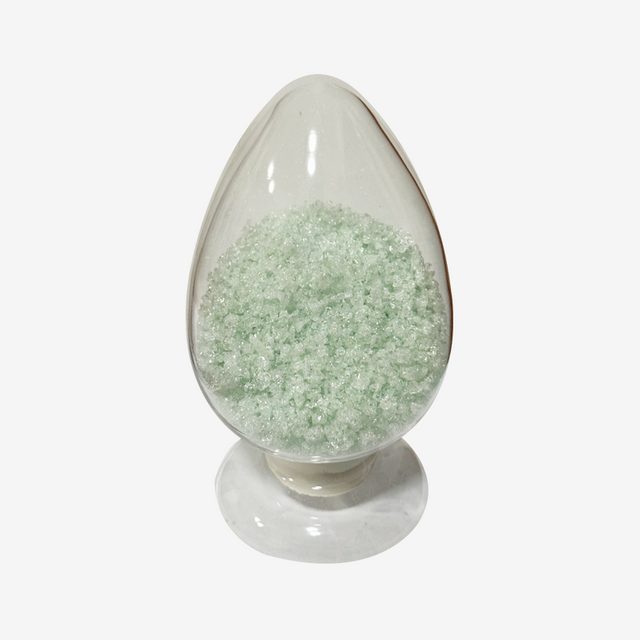
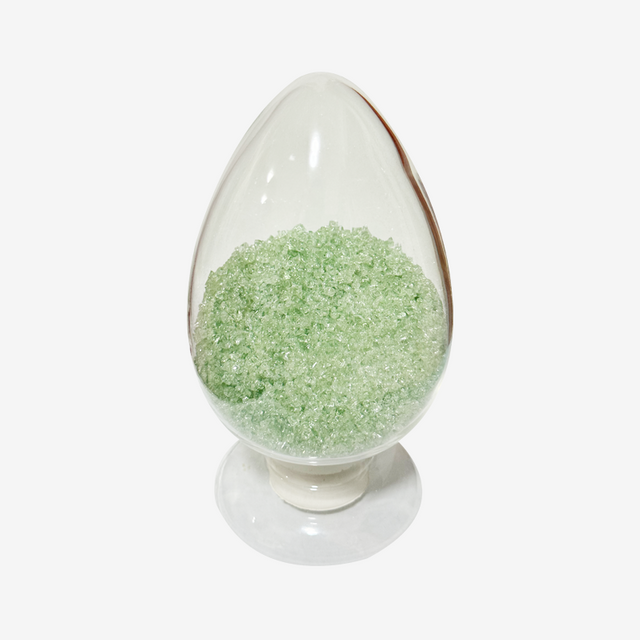
|
| Quantity: | |||||||||
|---|---|---|---|---|---|---|---|---|---|
| After firing, achieves high whiteness and brightness. | |||||||||
Initial Melting Point: 900°C
Applicable Temperature: 1000°C–1180°C
CTE: 165
After firing, achieves high whiteness and brightness. Glaze surface is pure and free of impurities, with outstanding whiteness, avoiding yellowing/graying issues common in traditional glazes. The dense, non-porous surface resists penetration by coffee, oil stains, and other contaminants; daily cleaning requires only a single wipe.
| Serial Number | Ingredient Name | Content (%) | Serial Number | Ingredient Name | Content (%) |
| 1 | LOSS(700℃) | <0.05 | 16 | Li2O | 0.02 |
| 2 | Al2O3 | 5.18 | 17 | PbO | <0.01 |
| 3 | SiO2 | 58.32 | 18 | ZnO | 0.76 |
| 4 | Fe2O3 | 0.15 | 19 | SrO | 0.04 |
| 5 | CaO | 5.89 | 20 | MnO | <0.01 |
| 6 | MgO | 0.45 | 21 | Rb2O | <0.01 |
| 7 | K2O | 0.69 | 22 | Cs2O | <0.01 |
| 8 | Na2O | 5.97 | 23 | CdO | <0.01 |
| 9 | TiO2 | 0.29 | 24 | P2O5 | 0.83 |
| 10 | Zr(Hf)O2 | 9.94 | 25 | F | 0.19 |
| 11 | B2O3 | 10.77 | 26 | SO3 | 0.12 |
| 12 | BaO | 0.27 | 27 | NiO | <0.01 |
| 13 | CuO | <0.01 | 28 | Cr2O3 | <0.01 |
| 14 | CoO | <0.01 | 29 | CeO2 | 0.07 |
| 15 | Y2O3 | 0.03 | - | - | - |
White Ceramic Glaze is a high-whiteness, opaque coating designed for premium porcelain and bone china, boasting an L value of ≥92* (CIE 1976 color space)—the industry benchmark for "pure white" ceramics. Formulated with zirconium silicate (15%, for opacity) and high-purity kaolin (20%, for adhesion), it delivers a creamy, uniform finish that hides minor surface imperfections of the ceramic body. The glaze has a firing shrinkage rate of 1.8%, matching the shrinkage of standard porcelain (1.7-2.0%), preventing cracking or peeling. It is lead-free (<0.01mg/L lead migration) and cadmium-free, meeting global food safety standards (EU EN 71-3, U.S. CPSIA).

Intense Whiteness: Maintains an L value of ≥90* after 500 hours of light exposure, outperforming standard white glazes by 15% in brightness retention—ideal for luxury tableware and decorative pieces where color purity is critical.
Color Versatility: Serves as a perfect base for all overglaze pigments (metallic gold, pastel pink, neon yellow), with no color distortion—pigments appear 10-15% more vibrant compared to lower-quality white glazes.
Low Porosity: Water absorption <0.1% creates a non-porous surface that prevents staining (e.g., tea, coffee) and bacterial growth (tested to reduce E. coli growth by 99% vs. unglazed porcelain).
Smooth Texture: Dries to a silky-smooth finish (Ra <0.5μm, measured by profilometer), enhancing the tactile experience of tableware and decorative items.
Application Scenarios: Luxury tableware (high-end restaurants, boutique home goods), decorative vases (art galleries, interior design projects), bathroom fixtures (sinks, bathtubs), and collectible art ceramics.
Operation Guidelines: Apply via soft-bristle brushes (for detailed pieces) or dip-glazing (for large batches)—2 coats are recommended, with a total thickness of 0.3mm (first coat 0.15mm, dry 2 hours, second coat 0.15mm). Fire at 1200℃ in an oxidation atmosphere (oxygen content ≥18%) with a 35-minute peak hold. For bone china, reduce the firing temperature to 1150℃ to avoid over-firing.
Q: How to achieve a matte white finish?
A: Add 3% magnesium carbonate (by weight) to the glaze slurry before application—this reduces glossiness from 70 GU to 30 GU while maintaining the L* value (≥90). Test the mixture on a small piece first, as magnesium carbonate may slightly increase drying time.
Q: Is it lead-free for children’s tableware?
A: Yes—lead migration is <0.01mg/L, well below the EU EN 71-3 limit (0.1mg/L) and U.S. CPSIA limit (0.01mg/L for children’s products). We provide a third-party test report for every batch.
Q: Can it be used on earthenware?
A: Yes, but adjust the firing temperature to 1050℃ (low temperature) and increase the Al₂O₃ content to 12% (from standard 10%) to match earthenware’s higher thermal expansion coefficient (12-14×10⁻⁶/℃). This prevents glaze crazing.
Q: What’s the difference between this glaze and bone china glaze?
A: This glaze has a higher zirconium silicate content (15% vs. 10% in bone china glaze) for better opacity on standard porcelain (which is less translucent than bone china). Bone china glaze has more flux (e.g., CaO) to enhance translucency, which is unnecessary for standard porcelain.
Q: How to fix uneven whiteness (streaks) in fired pieces?
A: Streaks are caused by uneven glaze application—ensure the slurry is well-stirred (no sediment) and apply coats in the same direction (e.g., all horizontal). For dip-glazed pieces, withdraw the ceramic body at a constant speed (5cm/second) to avoid thickness variations.