Views: 0 Author: Site Editor Publish Time: 2026-06-17 Origin: Site
The home goods industry is experiencing a massive transformation right now. Consumers actively reject synthetic non-stick coatings. They instead demand highly durable, non-toxic alternatives for daily items. This shift places immense pressure on modern manufacturers. You must rethink your surface coating strategies entirely. Balancing striking aesthetic appeal alongside rigorous safety compliance presents a complex challenge. Achieving ultimate mechanical durability requires exact material science. Poor material choices inevitably lead to expensive production failures. They also introduce serious health and safety risks.
We will explore a comprehensive framework for evaluating these vital ceramic materials. Procurement teams, designers, and quality managers face difficult decisions daily. You will discover how to select the right Enamel Frit and formulation types for your product lines. We provide actionable strategies to minimize common manufacturing defects. By following this guide, you can guarantee absolute end-user safety. Your production lines will operate more smoothly and efficiently.
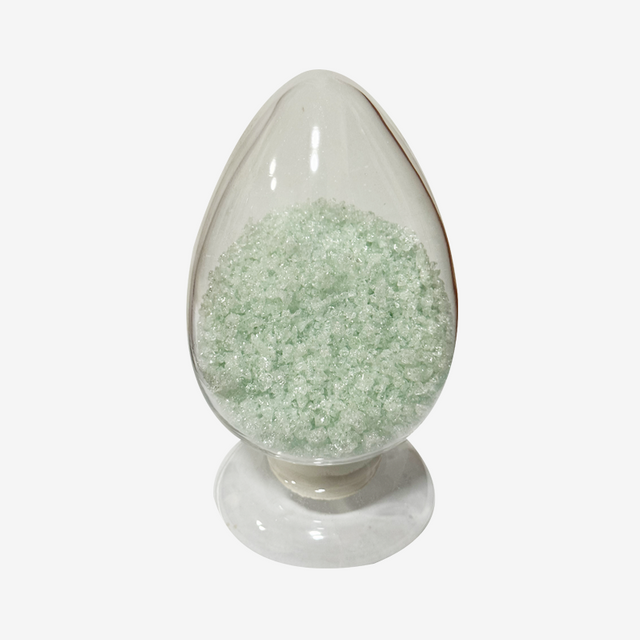
Material Distinction: Enamel frit is the core vitrified glass base; enamel glaze is the milled, workable suspension applied to the final product. Both require precise formulation for household use.
Thermal & Mechanical Alignment: Success hinges on matching the Coefficient of Thermal Expansion (CTE) between the frit and the base metal (steel or cast iron).
Compliance is Non-Negotiable: Bottom-of-funnel evaluation must prioritize strict adherence to food-contact safety standards (e.g., FDA, LFGB), ensuring absolute zero lead and cadmium leaching.
Defect Mitigation: Quality sourcing prevents expensive production failures like crazing, fish-scaling, or poor base adhesion during the firing process.
Consumers now expect flawlessly scratch-resistant surfaces. They want kitchenware and appliances optimized for easy cleaning. Modern households demand chemically inert materials for daily cooking and washing. This evolving preference accelerates the rapid phase-out of traditional synthetic coatings. Families worry about toxic chemicals degrading over time. Vitreous coatings solve these modern business problems perfectly. They offer unparalleled longevity when engineered correctly.
The structural foundation of this coating relies entirely on a precise high-temperature reaction. Manufacturers fuse glass directly to metal substrates. The raw vitrified flakes melt inside the kiln. They interlock into the porous metal surface during this firing phase. This intense heat creates an absolutely impermeable barrier. Moisture and bacteria cannot penetrate this shield. The underlying steel remains protected from rust forever. This robust bond defines the lifespan of the finished product.
Different household categories dictate vastly different material requirements. Product designers must specify formulas based on the exact end-use environment.
Cookware and Bakeware: These items demand extremely high acid resistance. They frequently contact boiling tomato sauces and harsh vinegars. Thermal shock resistance is equally crucial here.
Washing Machine Drums: These components require exceptional alkali resistance. Constant exposure to harsh laundry detergents degrades inferior coatings quickly. High water resistance prevents internal corrosion over decades of use.
Sanitaryware: Bathtubs and sinks need premium scratch resistance. They must maintain high gloss levels despite daily scrubbing. Color stability is paramount for consumer satisfaction in bathrooms.
Coating a metal surface is rarely a single-step process. Manufacturers typically deploy a two-layer system. Each layer serves a fundamentally different engineering purpose. We categorize these into ground coats and cover coats.
The ground coat functions strictly as your primer layer. You apply it directly onto the bare metal. Its sole purpose is maximizing substrate adhesion. We do not evaluate ground coats for their aesthetic beauty. They are the hidden structural anchors of the product.
The composition realities of this layer are fascinating. The mixture typically contains specific adherence oxides. Cobalt, nickel, and copper play starring roles here. During firing, these metallic oxides react aggressively. They form microscopic dendrites hooking into the carbon steel base. The layer must form this strong chemical bond immediately. A weak bond causes catastrophic delamination under thermal stress.
The cover coat provides the final aesthetic and protective surface. It sits securely on top of the fused ground coat layer. This layer faces the outside world directly. It must resist stains, scratches, and chemical attacks daily.
Manufacturers engineer these layers using specific opacifiers. Titanium or zirconium-based formulas dominate the modern market. Titanium provides brilliant white opacity and excellent acid resistance. It guarantees long-term color stability under intense UV light. Zirconium offers a softer finish often preferred in specific sanitaryware designs.
To apply this layer, factories must process the raw flakes into a liquid. They mill the dry material alongside specific clays and electrolytes. They add color pigments during this grinding phase. This carefully balanced wet mixture becomes the final Enamel Glaze. Workers then spray or dip this workable suspension onto the primed products.
Structural Comparison: Ground Coat vs. Cover Coat | ||
Property | Ground Coat | Cover Coat |
|---|---|---|
Primary Function | Metal adhesion and bonding | Aesthetics and chemical protection |
Key Ingredients | Cobalt, nickel, copper oxides | Titanium, zirconium, color pigments |
Surface Finish | Dark, rough, utilitarian | Glossy, smooth, vibrant |
Application Order | First layer (direct to metal) | Second layer (over ground coat) |
Choosing a supplier requires rigorous technical validation. You cannot base this decision purely on raw material pricing. A cheap batch can destroy an entire production run. Quality assurance managers must scrutinize four vital criteria before purchasing.
Food Safety and Toxicity Compliance: Heavy metal limits require mandatory verification. You must demand verifiable third-party testing from your suppliers. Laboratories test for lead, cadmium, and antimony leaching. They simulate harsh conditions, like boiling acidic tomato sauce. Modern formulations must achieve absolute zero toxic leaching. Compliance panels like the FDA and LFGB enforce these safety rules strictly.
Coefficient of Thermal Expansion (CTE): Thermal expansion is a critical mathematical necessity. You must match the coating's CTE perfectly to the metal substrate. Metals expand significantly when heated. Glass expands at a different rate. If these rates mismatch, the system fails instantly. High tension causes surface cracking. High compression causes the glass to chip off dangerously.
Chemical Resistance Ratings: Different products endure different chemical attacks. Kitchenware requires an AA or A class acid resistance rating. We measure this using the international ISO 2722 standard. Laundry and bathroom appliances face different threats. They require superior alkali resistance to survive daily detergent exposure. Verify these specific ratings on the manufacturer's technical data sheets.
Firing Range Compatibility: Every formula requires a highly specific firing temperature. You must assess how this aligns against your existing factory kilns. Some factories operate older kilns lacking high-temperature capabilities. If you under-fire the product, it develops a poor, dull gloss. If you over-fire the product, the coating burns off entirely. Ensure the required firing curve matches your operational reality.
Even perfect raw materials can fail during application. Transforming dry glass flakes into a pristine surface is notoriously difficult. Factory managers face numerous hurdles along the production line.
The milling process introduces significant risk. Processing raw flakes into liquid suspensions requires exact timing. You must control the particle size distribution tightly. Poor milling creates an unstable slurry. The heavy glass particles settle at the bottom of the holding tanks. This leads directly to uneven application thicknesses. Operators then struggle to coat the metal smoothly.
Once inside the kiln, various application defects often emerge. Understanding these flaws helps teams troubleshoot quickly.
Defect Troubleshooting Chart | |||
Defect Name | Visual Appearance | Root Cause | Prevention Strategy |
|---|---|---|---|
Fish-scaling | Half-moon shaped chips popping off | Hydrogen gas escaping from the steel base | Use enameling-grade steel; adjust firing curve |
Pinholing / Blistering | Tiny bubbles or craters in the surface | Metal impurities; improper moisture drying | Pre-clean substrates thoroughly; slow drying phase |
Crazing | Fine web of micro-cracks across the finish | Rapid kiln cooling; severe CTE mismatch | Match CTE formulas precisely; control cooling rates |
Massive scalability introduces another major concern. Maintaining exact color matching across global production runs is tough. Opacity consistency often drifts between different batches. A bright white pot manufactured in June might look yellowish in December. Small fluctuations in kiln oxygen levels cause drastic color shifts. You must establish extremely tight tolerance margins to protect brand identity.
Procurement teams need a logical framework for evaluating suppliers. A glossy sales brochure tells you nothing about manufacturing reliability. You must dig deeply into the vendor's operational data.
Start by requesting batch-to-batch consistency data. Professional manufacturers track their Statistical Process Control (SPC) metrics closely. You want to verify the standard deviation in their chemical compositions. Ask for Cp and Cpk capability indexes. Suppliers hiding this data usually suffer from volatile quality control. Consistent raw materials are your first line of defense against factory defects.
Assess their custom formulation capabilities next. Standard catalog items rarely work perfectly for complex designs. Perhaps you use a unique aluminum alloy. Maybe your product features sharp, proprietary geometric corners. You need a supplier capable of engineering bespoke suspensions. They must tailor the formulation to fit your exact substrate parameters.
Finally, evaluate their technical support infrastructure. Good suppliers do not just ship bags of glass flakes. They provide robust on-site engineering troubleshooting. Kiln tuning requires deep expertise. When fish-scaling suddenly ruins a production shift, you need answers fast. Your supplier should offer immediate defect analysis. They must help your factory team optimize application techniques in real-time.
Selecting the right coating material is never a simple commodity purchase. It represents a fundamental structural engineering decision. This single choice dictates product lifespan, global safety compliance, and ultimately, your brand reputation. Treat the evaluation process with maximum technical rigor.
Your next steps should focus heavily on controlled testing. We advise all decision-makers to initiate thorough pilot programs first. Order small-batch samples from your shortlisted suppliers. Prioritize rigorous CTE matching trials in your own kilns. Run exhaustive acid leaching tests using certified third-party laboratories. Only after passing these strict validations should you scale to full production lines.
A: Frit is the raw, quenched glass flake created after initial high-temperature melting. Glaze is the liquid slurry ready for factory application. Manufacturers create this slurry by milling the raw glass flakes alongside water, suspension clays, and color pigments.
A: Yes, absolutely. It is perfectly safe provided the manufacturer uses modern formulations. High-quality mixtures are strictly compliance-tested and completely free of lead and cadmium. They must also be properly fired to achieve complete, non-porous vitrification.
A: Chipping is almost always a mechanical failure. Impact drops or severe thermal shocks usually cause it. You can minimize this risk drastically. Select a formula featuring an optimized thermal expansion coefficient and superior ground-coat adhesion properties.
A: No. It requires highly specific substrates to bond correctly. Manufacturers primarily use enameling-grade carbon steel or heavy cast iron. Some specific aluminum alloys also work. Each distinct metal base requires a uniquely specialized chemical formulation to succeed.