
Views: 0 Author: Site Editor Publish Time: 2026-04-03 Origin: Site
At Chuangxiang Laser Technology Co., Ltd., we work closely with customers, designers, and processing partners to understand not just what products perform well—but why they perform well. When people ask us about ceramic materials for everyday applications, one term that often comes up is household ceramic frit—and for good reason. Whether you’re glazing a dinner set, producing decorative tiles, or experimenting with home ceramics projects, the right frit can make all the difference in surface quality, durability, and color consistency.
In this comprehensive guide, we’ll explore what household ceramic frit is, why it matters, how top rated options are formulated, and how to choose the right frit for your needs. Drawing from decades of material science experience and real world application performance, our goal is to give you a clear understanding of ceramic frit functionality in household ceramic applications and how the right choice can enhance both aesthetics and longevity.
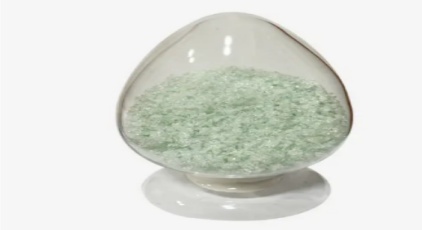
Ceramic frit refers to a type of glassy, powdered material formed by fusing raw materials such as silica, feldspar, borates, and other oxides in controlled conditions. Once cooled and ground, this frit becomes a vital ingredient in ceramic glazes, aiding in fluxing (melting), color development, and surface finish.
For household use, ceramic frits play essential roles in:
· Glaze formulation – controlling melt behavior and surface texture
· Color stability – supporting consistent pigment interaction
· Durability – contributing to resistance against scratches and stains
· Chemical resistance – protecting surfaces from acidic or alkaline exposure
Unlike pure glass, frits are engineered to perform under firing conditions typical of household ceramics—meaning predictable behavior in kilns and reliable visual results.
At the core of ceramic chemistry, frit impacts how a glaze interacts with heat and ceramic bodies. In a household ceramic glaze, frits serve several key functions:
Frits lower the melting point of glaze components, enabling a smooth glass layer to form at kiln temperatures used for household ceramics (often between 980°C and 1250°C). Without a proper frit, glazes can remain matte, under fired, or uneven.
A well balanced frit helps prevent defects such as blistering, crawling (retracting crusts), or pinholes. For everyday ceramics—plates, mugs, tiles—these defects compromise both function and beauty.
Frits interact with colorants like cobalt, chrome, iron, and copper oxides. The frit’s composition affects how these colorants develop under heat, helping achieve consistent tones and avoiding muddy or unpredictable colors.
Below is an overview of how frit influences common glaze characteristics:
Function | Impact on Glaze | Benefit for Household Ceramics |
Fluxing | Lowers melt point | Smooth, glassy finish |
Stabilizing | Reduces gas defects | Tougher surface integrity |
Color interaction | Regulates pigment behavior | Predictable, vibrant colors |
Texture control | Varies gloss/matte | Design flexibility |
When it comes to household ceramics, not all frits are created equal. A top-rated household ceramic frit is evaluated based on a combination of performance, consistency, ease of use, and how well it contributes to the longevity and aesthetic quality of finished products. It's important to understand that a high-quality frit is more than just the sum of its chemical components. It must meet specific performance criteria to ensure it functions well across different applications, from dinnerware to decorative tiles. Here’s what sets apart the best frits used in household ceramics:
One of the most critical factors in determining whether a ceramic frit is top-rated is its thermal compatibility with the ceramic body. Ceramic materials, such as clay, expand and contract when subjected to heating and cooling during firing. A good frit must match the thermal expansion of the ceramic body to avoid defects such as crazing (fine cracks) or shivering (glaze flaking off). This is especially important for items like mugs, bowls, and dinnerware, where stability during temperature fluctuations is essential to prevent breakage. If the frit does not expand and contract similarly to the ceramic body, it can cause the glaze to crack or peel, ruining the final product.
Top-rated frits melt homogenously across firing ranges, which means they melt evenly to create a smooth and uniform surface. A high-quality frit will not run or thin out excessively during firing. This characteristic is especially valuable for both artisan studios and industrial ceramic manufacturing. The predictable behavior ensures that the glaze will remain consistent across the entire piece, avoiding streaks or uneven coverage. The result is a more professional and visually appealing finish.
High-quality frits are engineered to minimize common glaze defects such as blistering, pinholes, and crawling (when the glaze retracts from the surface). These defects not only affect the aesthetic quality but can also lead to more rejects during production and higher rework costs. A top-rated frit helps eliminate these issues, leading to better production efficiency, fewer waste materials, and a more satisfied customer base. For manufacturers, this means higher throughput and lower costs in the long term.
A great frit supports a wide range of finishes—glossy, matte, and satin—giving artists and manufacturers the flexibility to achieve the desired appearance for their products. The best frits also interact well with a wide variety of pigments and stains, which enhances the artistic expression possible in ceramics. Whether you're aiming for a brilliant shine on a set of dinner plates or a soft, matte finish on bathroom tiles, a top-rated frit allows you to achieve the exact effect you desire.
Finally, household ceramics frequently come into contact with food, beverages, and cleaning agents. A top-rated frit contributes not only to the appearance of the ceramics but also to their water resistance, cleanability, and long-term surface integrity. Since household ceramics are exposed to moisture, detergents, and frequent handling, the ability of the frit to maintain a stable surface over time ensures that the ceramic products will perform well under everyday conditions, without degrading or causing harm.
Household ceramic frits vary widely depending on formulation goals. Below are some commonly used frit types and their typical applications:
Frit Type | Main Ingredients | Common Uses |
Borosilicate based | Boron oxide, silica, alkali | Low temperature glazes, vibrant colors |
High silica frit | Silica, fluxes | Durable surfaces, high gloss |
Mixed flux frit | Feldspar, boron | Versatile mid range glaze programs |
Low expansion frit | Silica rich, controlled expansion | Body/glaze fit critical applications |
Each formula has its advantages. For example, boron rich frits are excellent for lower firing ranges and bright colors, while high silica frits enhance surface hardness.
Choosing the right household ceramic frit depends on your specific goals:
Consider whether your kiln fires at low, mid, or high temperatures. Frits are designed for specific ranges.
Glossy finishes perform differently than matte glazes. Some frit combinations lend themselves to textured surfaces.
Match frit chemistry with pigments and stains you plan to use. Some frits mute certain oxides, while others enhance brightness.
The ceramic body itself (earthenware, stoneware, porcelain) affects glaze fit. Always test frits on representative body samples.
Selection Step | Key Question |
Firing Range | Does the frit match your kiln temperature? |
Glaze Finish | Are you aiming for matte, satin, or gloss? |
Body Fit | Has shrinkage and thermal expansion been tested? |
Color Development | Does the frit interact well with chosen pigments? |
To achieve consistent and high quality results, we recommend:
· Thoroughly mix frit with clay body and colorants.
· Use precise weighing for repeatable results.
· Pre test small batches before scaling up.
· Follow recommended firing schedules with appropriate soak times.
· Avoid rapid temperature changes that stress glaze integrity.
· Create test tiles showing color and finish outcomes before full production.
Selecting a top rated household ceramic frit is about balancing chemistry with application needs. A high quality frit improves glaze behavior, enhances surface aesthetics, and contributes to long term durability—whether you’re producing artisanal dinnerware, decorative tiles, or functional ceramics for daily use.
At Chuangxiang Laser Technology Co., Ltd., we bring deep material science expertise and application insights to help you choose the right ceramic frit for your projects. From formulation recommendations to performance testing support, our solutions empower creators and manufacturers to achieve consistent, high quality results. If you’re ready to explore premium ceramic frit options or need assistance optimizing your glaze systems, we encourage you to contact us for tailored guidance and solutions.
Ceramic frit refers to partially melted glass ingredients ground into powder and added to glaze formulations to control melting behavior, surface finish, and color development in ceramics.
Not always. Frits must be matched to the firing range and thermal expansion of the specific ceramic body (earthenware, stoneware, porcelain) to ensure proper fit and avoid defects.
Frits influence how pigments respond under heat. Some frit bases enhance brightness, while others can mute or alter color tones. Testing is key for predictable color results.
Every time you change body composition, firing schedule, or colorants. Regular test tiles help identify issues before full production runs.


