
Views: 0 Author: Site Editor Publish Time: 2026-03-31 Origin: Site
In the world of modern ceramics and tile manufacturing, few materials are as fundamental—and as transformative—as Ceramic Tile Frit. Whether you are crafting high end architectural surfaces, decorative wall tiles, or durable floor tiles, ceramic tile frit plays a critical role in defining the quality, performance, and aesthetic appeal of the final product.
At Chuangxiang Laser Technology Co., Ltd., we’ve worked closely with manufacturers and designers around the globe, helping them understand not just what tile frit is, but why selecting the right frit composition can significantly elevate both manufacturing efficiency and product quality. Over the years, we’ve seen that a deep understanding of ceramic tile frit can help companies reduce defects, improve glaze performance, and unlock new design possibilities.
In this comprehensive guide, we’ll explore the science behind ceramic tile frit, its key benefits, technical advantages, and why it continues to be a preferred material in tile production. From improved durability to customization potential, this article will arm you with insights you can apply directly in your manufacturing or design decisions.
At its core, ceramic tile frit is a partially melted, pre vitrified glassy material used in ceramic glazes and coatings. Frit is created by melting silica, fluxes, and stabilizers at high temperatures, then rapidly cooling the liquid to form a glassy, insoluble substance. Once ground into fine powder, frit becomes a vital ingredient in tile glazes, helping them bond to substrates, resist wear, and maintain desired visual characteristics.
Unlike raw glaze materials that can dissolve or react unpredictably, frit is stable and consistent—making it easier to control color, chemistry, and performance during kiln firing. This stability is especially valuable in industrial tile production, where repeatability and quality control are non negotiable.
Understanding how ceramic tile frit functions requires a basic dive into ceramic chemistry and kiln processes. When applied to a tile body and exposed to high firing temperatures, the frit softens and flows, creating a uniform glass layer. This layer fuses with both the glaze components and the clay body, producing a durable, sealed surface.
Key chemical roles of frit in tile glaze:
· Fluxing: Reduces the melting point of the glaze, enabling it to fuse at controlled temperatures.
· Stabilizing: Prevents glaze components from dissolving into the clay body, which can cause defects.
· Forming Glass Network: Creates a smooth, glassy surface with improved structural performance.
· Color Balance: Provides a stable base to support colorants and opacifiers.
The result? Tiles that not only look beautiful but also withstand wear, chemical exposure, and thermal shock.
From a manufacturing and performance perspective, ceramic tile frit offers a compelling set of advantages that set it apart from alternative glaze and coating approaches:
Frit based glazes produce a highly vitrified surface, offering excellent resistance to scratching, abrasion, and daily wear. This durability is especially vital for floor tiles, commercial installations, and high traffic areas.
Tiles coated with frit based glazes resist acid, alkali, and stains better than tiles with non frit or low frit glazes. This makes them ideal for kitchens, bathrooms, and industrial applications.
Because frit provides a stable glass matrix, colorants and pigments disperse more uniformly, leading to richer and more predictable colors. This makes it easier to achieve specific aesthetic goals across production batches.
To better understand the benefits, it helps to compare frit based glazing with non frit or traditional glaze systems:
Feature | Frit Based Glaze | Non Frit/Traditional Glaze |
Chemical Stability | High | Moderate to low |
Wear & Abrasion Resistance | Excellent | Variable |
Color Consistency | Predictable and repeatable | Less predictable |
Firing Temperature Control | Reliable | More sensitive |
Solubility in Water | Insoluble after firing | Can leach or react |
Ease of Process Control | High | Moderate to low |
From our industrial perspective, it becomes clear why frit based glazes are preferred in large scale manufacturing: they offer control and repeatability that non frit systems simply cannot match.
The value of ceramic tile frit extends far beyond its chemical composition. It plays a vital role in improving manufacturing efficiency, enhancing product performance, and offering design flexibility. Whether you are creating everyday wall tiles or intricate, high-performance porcelain tiles, frit ensures the durability, aesthetic appeal, and functionality of your final product. Below, we explore the key benefits of using ceramic tile frit in practical terms:
Manufacturing tiles involves a complex process where stability is crucial. Process-related defects, such as crazing, pinholes, or poor adhesion, often stem from unstable glaze chemistry. Ceramic tile frit stabilizes this glaze formulation by providing a uniform and predictable component during firing. This reduces variations in the glaze, leading to more consistent results. The inclusion of frit minimizes defects and improves the overall yield by ensuring that the tiles are of higher quality with fewer rejects during the firing process.
One of the significant advantages of using frit is its thermal compatibility with the tile body. During the firing process, the frit fuses to the tile body, creating a smooth and even coating. By tailoring the frit to match the thermal expansion characteristics of the tile body, manufacturers reduce the risk of cracking or peeling during the cooling phase. This ensures that the final tile maintains structural integrity, especially when subjected to rapid temperature changes or harsh environmental conditions. Thermal compatibility is particularly important for tiles exposed to varying temperatures, such as outdoor flooring or kitchen tiles.
Frit’s customization potential is a major factor in its widespread use. Because frit composition can be tailored, manufacturers can achieve a wide variety of surface effects. This includes:
· Matte finishes: For a modern, subtle appearance
· Textured surfaces: To create tactile and aesthetic diversity
· Speckled patterns: Adding complexity and uniqueness
· High-gloss coatings: For an elegant, reflective surface
These customization options enable manufacturers to produce tiles that meet specific aesthetic and functional requirements without compromising the performance characteristics of the glaze. Frit allows for endless design possibilities, making it a preferred material for designers and manufacturers seeking creative flexibility.
In today’s manufacturing world, environmental responsibility is more critical than ever. Modern frit formulations are engineered to meet increasingly stringent environmental standards. Many frits are now designed to minimize the use of harmful substances like heavy metals (e.g., lead and cadmium) and volatile organic compounds (VOCs). As a result, tiles made with these environmentally friendly frits are safer for indoor use, contribute to sustainability, and comply with regulations such as RoHS (Restriction of Hazardous Substances) and REACH (Registration, Evaluation, Authorization, and Restriction of Chemicals). This ensures that manufacturers not only meet compliance standards but also offer a safer product for consumers and the environment.
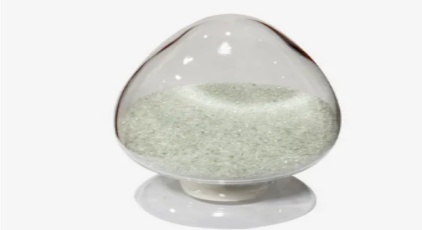
Ceramic tile frit is used across a wide range of tile categories, including:
· Residential floor and wall tiles
· Commercial flooring systems
· Architectural tiles for facades
· Porcelain tiles with high density and low porosity
· Decorative tiles with complex pattern effects
· Anti slip and functional surface tiles
Each application benefits from the specific performance characteristics that frit imparts—especially in demanding conditions such as exterior installations or high traffic environments.
When developing or selecting a frit formulation for tiles, several factors come into play:
Silica is the most common glass former, forming the backbone of the glass network.
Alkali and alkaline earth oxides (e.g., Na₂O, K₂O, CaO) help reduce melting temperature and influence surface gloss.
Oxides such as Al₂O₃ improve chemical resistance and melt viscosity.
Colorants, opacifiers, and functional additives (e.g., anti slip agents) help achieve the desired visual and surface properties.
Experienced manufacturers like Chuangxiang Laser Technology Co., Ltd. often work with bespoke frit formulations tailored to specific tile bodies and firing cycles.
Selecting the right frit is not a one size fits all decision. Here are key considerations:
· Firing temperature compatibility with your kiln profile
· Tile body composition and thermal expansion match
· Desired surface effect or gloss level
· Environmental requirements or regulations
· Performance needs (e.g., abrasion resistance, chemical stability)
Collaborating with material experts early in the design phase can drastically improve outcomes.
Ceramic tile frit is more than just an ingredient—it is the foundation of high performance tile glazing. Its ability to stabilize chemistry, withstand wear, and deliver consistent aesthetic results makes it indispensable in tile manufacturing. From improving product reliability to enabling advanced design options, frit empowers manufacturers to meet and exceed market expectations.
For companies invested in delivering durable, beautiful tiles, understanding frit chemistry is no longer optional—it’s essential.
1. What is ceramic tile frit used for?
Ceramic tile frit is primarily used in tile glazes to improve durability, chemical resistance, and color consistency by forming a stable, glassy surface during firing.
2. Can ceramic tile frit improve tile abrasion resistance?
Yes. Frit based glazes produce a highly vitrified surface that enhances resistance to scratching, wear, and daily use compared to non frit glazes.
3. Is ceramic tile frit environmentally friendly?
Modern ceramic tile frit formulations can be engineered to meet environmental and safety standards by minimizing harmful components while maintaining performance.
4. How does frit impact tile surface color?
Frit provides a stable glass matrix that allows colorants to disperse evenly, resulting in richer hues and consistent results across batches.


