Views: 0 Author: Site Editor Publish Time: 2026-10-12 Origin: Site
Transitioning to eco-friendly options is a strategic business move. However, evaluating supplier quotes based solely on the raw price per pound is a fast track to margin erosion. Many studios fall into this trap. True decision-making requires stripping away flashy marketing claims. You must look at the comprehensive production expenditure. This includes material yield, firing efficiency, and strict environmental compliance. Hidden fees quickly inflate your baseline budget if you only focus on initial invoice figures. This oversight often leads to unforeseen operational losses.
Here is an evidence-based framework for standardizing vendor quotes. You will learn to accurately compare your baseline ceramic glaze cost without getting blindsided by hidden expenses. We will break down application variables, freight differences, and defect rates. You will gain actionable steps to protect your profit margins and choose the right partner.
Look beyond raw material price: A lower upfront cost often masks higher labor, shipping, or defect rates.
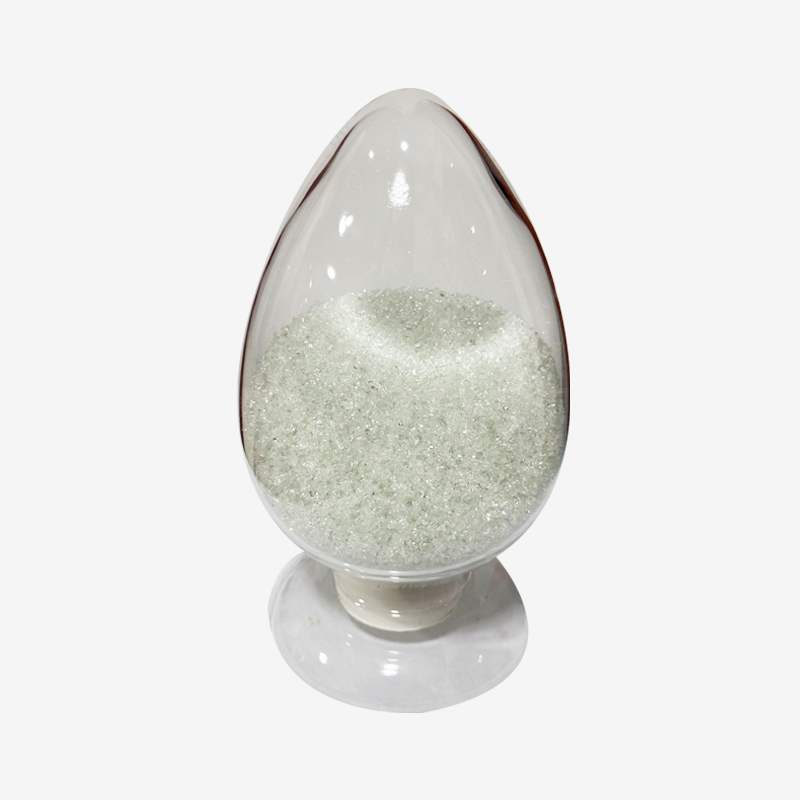
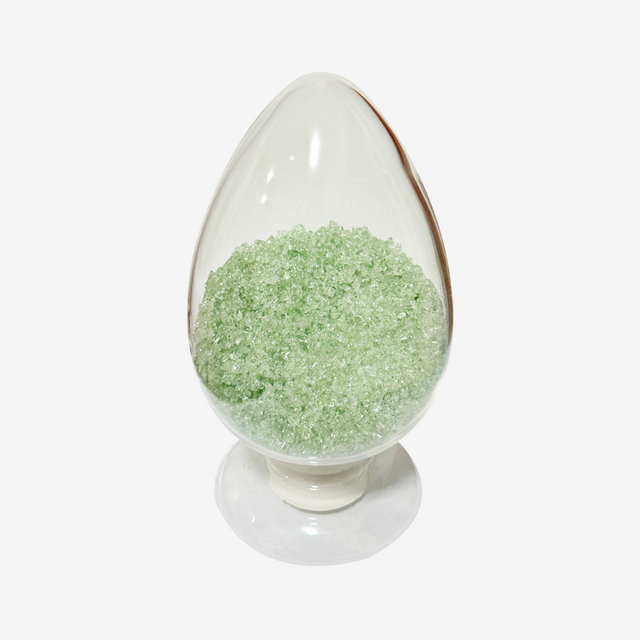
Evaluate the role of ceramic frit: High-quality, stabilized frits increase initial quote prices but drastically reduce heavy metal leaching risks and firing defects.
Factor in compliance and testing: True eco-friendly claims require verified Safety Data Sheets (SDS) and compliance testing—often an overlooked line item.
Standardize before you shortlist: Always force vendors into an apples-to-apples evaluation matrix based on Landed Cost + Application Cost, not just FOB pricing.
Procurement teams often focus exclusively on volume discounts. They look at bulk pricing tiers for dry or liquid formulas. However, they ignore the operational costs required to make them usable. This oversight creates a highly misleading financial baseline. Comparing quotes accurately requires looking at application realities.
Consider the significant discrepancies between wet and dry quotes. Comparing a pre-mixed liquid quote against a dry powder quote is dangerous. You must calculate the in-house labor required to process the dry powder. Your team will spend hours measuring, mixing, and sieving materials. You also need to factor in water-suspension agents. Additives like CMC gum or bentonite increase your daily operational spend. These extra purchases rarely appear on the initial vendor quote.
Practical experience reveals a harsh yield reality inside the studio. Cheaper materials often lack sufficient opacity or color saturation. Consequently, a cheaper product requires three coats instead of two. Your initial material invoice drops by 10 percent. Unfortunately, your application labor increases by a massive 50 percent. This dynamic quickly erodes any perceived upfront savings. You end up spending more on payroll than you saved on materials.
Table 1: Dry vs. Pre-Mixed Quotation Variables
Evaluation Variable | Dry Powder Quotation | Pre-Mixed Liquid Quotation |
|---|---|---|
Upfront Invoice Price | Significantly Lower | Significantly Higher |
Internal Labor Demand | High (Mixing, sieving, testing) | Low (Stir and apply) |
Yield Consistency | Variable per batch | Highly Stable |
Freight Expenses | Lower (Lighter weight) | Higher (Water weight) |
Understanding eco-friendly chemical makeup dramatically alters your financial baseline. Removing toxic fluxes usually requires substituting them entirely. You cannot simply remove raw lead or barium from a recipe. You typically replace them with a highly specialized ceramic frit. This substitution dictates the final performance of the product.
This substitution demands a strict cost-to-benefit evaluation during procurement. Frits are carefully pre-melted and finely ground. This complex process adds substantial manufacturing overhead for the supplier. Consequently, your quoted price increases to absorb these manufacturing steps.
However, these processed materials provide significant advantages for your production line:
They stabilize the chemical structure during rapid firing cycles.
They lower the overall melting point, saving expensive kiln energy.
They trap volatile compounds securely inside the glass matrix.
They ensure strict environmental compliance for workplace safety.
Always perform a rigorous trustworthiness check on unexpectedly cheap quotes. If a vendor quotes a surprisingly low price, investigate further. Verify their exact frit-to-raw-mineral ratio immediately. High raw mineral content in eco-glazes leads to unpredictable kiln results. The product might bubble, craze, or pinhole during the final firing. Protect your production line by demanding absolute chemical transparency.
You must scrutinize the fine print of all supplier proposals. Several hidden evaluation dimensions can easily ruin your quarterly budget. Look for these four commonly overlooked elements when reviewing bids.
Eco-friendly materials often bypass hazardous material shipping fees. Traditional heavy-metal formulas always incur these steep hazmat transport charges. Ensure prospective vendors accurately reflect this reduction in their bids. Their freight estimates should show standard commercial shipping rates. If they still charge hazmat premiums, negotiate those fees away immediately.
Always ask about the required firing temperature for the new formula. Does the new material require a Cone 6 or Cone 10 firing? Higher temperatures increase kiln wear-and-tear exponentially over time. They also spike your monthly electricity and natural gas consumption. A lower upfront material quote means nothing if your utility bills double. Evaluate the energy expenditure before signing a contract.
You must explicitly determine who pays for third-party leach testing. A reputable B2B quote will specify ASTM C927 compliance upfront. It will clearly state whether the food-safe certification is guaranteed. If the vendor lacks these documents, expensive laboratory testing falls on you. These independent lab tests cost hundreds of dollars per color variation.
Ask for the vendor's documented defect tolerance and quality limits. Variations in natural colorants cause massive problems on the production floor. Elements like copper or iron oxides fluctuate heavily in hue. This inconsistency leads to excessive product rework. You will lose money if the supplier lacks strict quality control protocols.
Your internal studio setup dictates the most cost-effective quotation path. You must weigh specific implementation risks carefully before deciding. Do not base the choice purely on the lowest invoice total.
Buying raw materials yields the absolute lowest raw quote. Mixing your own eco-friendly ceramic glaze seems incredibly cheap initially. However, this strategy introduces severe internal mixing overhead. You face constant risks in airborne dust mitigation. OSHA compliance becomes a daily, expensive management task. You must invest in HEPA vacuums and specialized respirators. Furthermore, formulation errors can ruin entire production batches instantly.
Commercial pre-mixed options present a completely different operational reality. They carry a noticeably higher upfront price tag. Yet, they guarantee consistent specific gravity and viscosity every time. You effectively eliminate the daily guesswork from your studio operations. Your team simply opens the bucket, stirs the mixture, and applies it.
Run a strict scalability check before finalizing your purchasing decision. Consider the workflow of studios scaling past 1,000 units a month. The human labor saved by purchasing commercial bulk liquid is immense. This massive operational savings easily outweighs the premium paid on the quote.
You need a strict framework for eliminating unreliable material vendors. Use standard metrics to keep negotiations objective and profitable. Follow these specific next-step actions to secure the best partner.
Normalize the Minimum Order Quantities (MOQs): Request all quotes scaled to your actual quarterly usage. Do not accept their highest-tier discount rate blindly during early talks. A massive volume discount is useless if the material expires in storage.
Request the SDS (Safety Data Sheet) Upfront: Disqualify vendors who hide their chemical disclosures immediately. True eco-friendly formulas always boast transparent, updated Safety Data Sheets. You cannot ensure workplace safety without these vital documents.
Run a Landed Cost + Defect Formula: Evaluate every bid using a comprehensive expense formula. Add the quoted price to the estimated freight charges. Next, add your estimated internal application labor costs. Finally, factor in the projected kiln failure rate percentage to find the true cost.
The Sample Pilot Phase: Do not sign a bulk commercial contract immediately. Mandate a 5-10 pound sample purchase before committing larger funds. Test the yield rates and thermal fit rigorously in your kilns to avoid disasters.
Sourcing eco-friendly materials shouldn't sacrifice your business margins. You can easily avoid unpredictable production variables with careful, objective planning. The winning vendor quote is rarely the cheapest one on paper. Instead, it is the proposal offering verifiable material stability. It provides transparent shipping logistics and minimal firing defects.
Your next step is clear and highly actionable. Request a sample batch from your shortlisted suppliers today. Begin physical testing to measure true yield rates in your studio. Finally, map these physical findings to your internal labor expenses. This methodical approach secures a highly profitable and eco-conscious transition.
A: Upfront, yes. Processing safer raw materials increases manufacturing costs. Stabilized materials also add to the initial price tag. However, your overall production expenditure is often lower. You save money through reduced hazmat shipping fees. You also gain safer workplace compliance and lower hazardous waste disposal costs.
A: Look for the strict absence of lead, cadmium, and barium. Avoid quotes hiding toxic heavy metal colorants. Always request the Safety Data Sheet (SDS) from the supplier. You should also ask if the cured product passes standard leach tests for consumer food safety.
A: Liquid quotes include several hidden operational conveniences. They cover the cost of distilled water and specialized suspension agents. Ingredients like CMC gum or bentonite add immense value. They also include biocides to prevent mold and the added freight weight for shipping water.
A: These processed materials raise the per-pound material expense initially. However, they provide highly predictable melting behavior inside the kiln. This reliability drastically reduces the percentage of crazing, shivering, or pinholing defects. Fewer defects mean less wasted labor and more profitable finished products.