Views: 0 Author: Site Editor Publish Time: 2026-10-05 Origin: Site
The global shift toward eco-friendly manufacturing fundamentally transforms the ceramics industry today. Strict regulatory pressures, including stringent EU emission standards, force modern factories to rethink raw material choices. Consumers also increasingly demand sustainable products, driving market-wide changes. However, transitioning to greener materials often disrupts traditional procurement timelines unexpectedly.
Procurement managers and production leads frequently underestimate how specialized formulations strain supply chain reliability. Hidden constraints in sourcing specific raw materials can quickly derail entire production schedules. A minor delay upstream easily cascades into significant factory downtime.
Securing sustainable materials requires shifting your vendor evaluation strategy away from simple cost analysis. You must rigorously assess a supplier's true production capacity, complex sourcing networks, and verifiable delivery schedules. This comprehensive guide explores actionable strategies to manage these specific variables. You will learn how to secure reliable partners and prevent costly production delays.
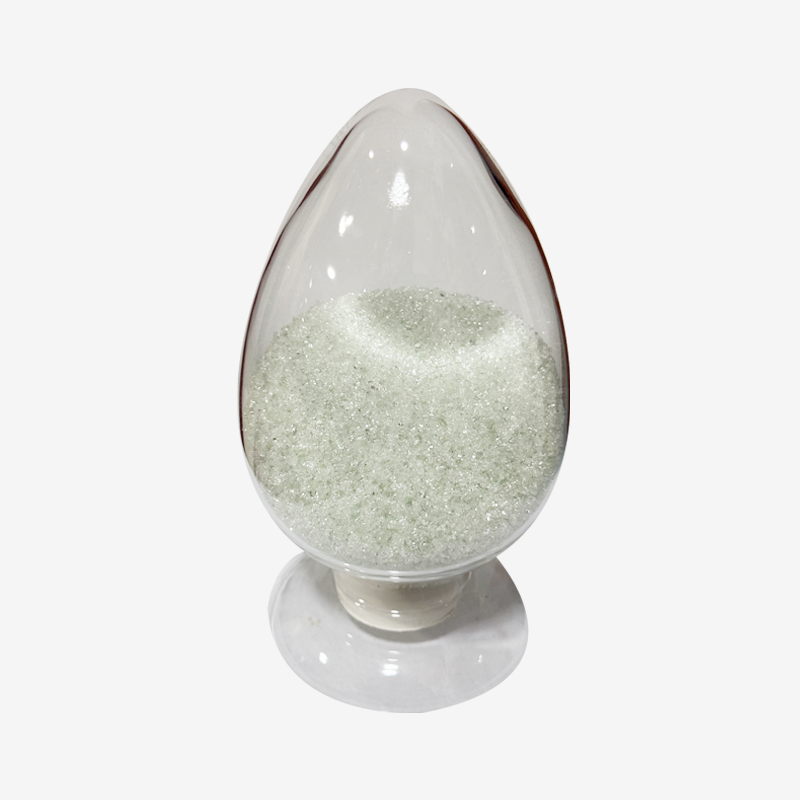
Sourcing specialized components like lead-free or low-emission **ceramic frit** often extends baseline **ceramic glaze lead time** due to complex manufacturing and compliance requirements.
A supplier’s production capacity must be evaluated not just on peak output, but on their ability to maintain batch-to-batch consistency under strict environmental constraints.
Mitigating supply chain risk requires transparent Service Level Agreements (SLAs), safety stock agreements, and phased pilot testing before full-scale adoption.
Understanding the root causes of procurement delays helps you plan more effectively. Sustainable manufacturing introduces new variables into the supply chain. These variables require careful management and proactive forecasting.
Eco-friendly glazes require highly specific, refined raw materials. Manufacturers must source heavy-metal-free fluxes and sustainable ceramic frit to meet safety standards. These inputs often carry longer upstream lead times compared to conventional, commoditized materials. Traditional ingredients are abundant and easy to procure. In contrast, sustainable alternatives rely on specialized mining operations. Global demand for these niche materials currently outpaces extraction rates. Consequently, suppliers often wait weeks just to receive their base ingredients. This initial delay inevitably pushes back your final delivery date.
Sustainable glazes frequently demand tighter quality control tolerances. Removing traditional heavy metals alters the chemical behavior of the mixture. Manufacturers must apply longer milling or processing times to achieve standard melting points. Viscosity control also becomes much more challenging. Operators often need to run multiple test fires to guarantee stability. This rigorous testing phase adds days to the manufacturing cycle. You cannot rush these processes without risking surface defects. Achieving a flawless finish requires patience and precision during formulation.
Verified eco-friendly products require extensive administrative backing. Suppliers must generate Life Cycle Assessment (LCA) data per batch. They must also produce strict environmental compliance documentation. For example, demonstrating adherence to EU BREF standards takes considerable effort. Quality assurance teams must analyze and certify every shipment. This mandatory paperwork adds administrative time to standard fulfillment cycles. Standard products move straight from the kiln to the shipping dock. Eco-friendly products must pass through a gauntlet of regulatory checks first.
Evaluating a supplier requires looking beyond their marketing brochures. You need to understand their physical limitations on the factory floor. Proper assessment prevents sudden supply shocks during your peak manufacturing seasons.
Many suppliers perform exceptionally well during lab or pilot-scale testing. However, they often struggle to scale eco-friendly glaze production effectively. Producing a ten-kilogram test batch is relatively simple. Scaling that up to a ten-ton production run introduces severe chemical instability. Temperature variations inside large kilns can alter the final color.
Actionable criteria: Require suppliers to demonstrate historical data on large-scale batch consistency. Ask for failure rates on high-volume runs. Demand case studies showing successful scaling for similar clients.
Eco-friendly manufacturing frequently relies on energy-efficient kiln technologies. Some facilities adopt alternative curing methods to reduce their carbon footprint. While excellent for the environment, these methods often operate slower. You must evaluate whether the supplier’s infrastructure has adequate throughput. Can they actually meet your maximum order quantities during peak seasons? A highly efficient kiln means nothing if it processes material too slowly. You need vendors who balance green technology with industrial-scale output.
A supplier operating at 95% capacity possesses absolutely no buffer for disruptions. If one machine breaks, your order faces immediate delays. Target partners reporting manageable capacity utilization rates, ideally around 75% to 80%. They must possess documented surge capacity to absorb unexpected spikes in your order volume. Reliable suppliers purposefully leave room in their schedules for emergencies.
Assessment Metric | Traditional Expectation | Eco-Friendly Standard | Risk Indication |
|---|---|---|---|
Batch Scaling Success | High immediate yield | Gradual scaling required | High variance in color/viscosity |
Kiln Throughput | Fast, high-energy firing | Slower, energy-efficient cycles | Missed peak season volumes |
Capacity Utilization | 90%+ (Profit maximized) | 75%-80% (Buffer maintained) | Inability to handle order surges |
Compliance and speed often pull in opposite directions. Managing this tension requires strategic supplier selection. You must identify partners who embed compliance seamlessly into their daily operations.
You must understand how local and international environmental regulations affect supplier output. Governments often impose strict emission caps on manufacturing zones. These caps can force suppliers to severely limit their daily production volumes. A factory might have the physical machinery to produce more. However, local laws prevent them from running kilns 24/7. These forced operational pauses directly extend your expected lead times. Monitoring a supplier's regulatory environment helps you anticipate these hidden bottlenecks.
Ensure the supplier already holds pre-existing compliance certifications. Do not act as their guinea pig for new regulations. Waiting for a supplier to achieve compliance testing on a custom order is dangerous. Processing a bespoke ceramic glaze can stall a production line by weeks or even months. Testing laboratories frequently experience deep backlogs. Always select vendors who proactively maintain updated environmental certificates for their base formulations.
Focus entirely on verifiable metrics. Ask for precise carbon footprint data and heavy metal trace reports. Many suppliers make vague sustainability claims to win contracts quickly. We call this practice "greenwashing." Companies relying on greenwashing usually lack structured internal processes. This lack of structure directly translates to unreliable, late deliveries. Authentic eco-friendly producers eagerly share their rigorous testing data. They view compliance as a competitive advantage rather than a hurdle.
You cannot simply trust a supplier's promised timeline. You must actively stress-test their operational resilience. A robust framework reveals hidden weaknesses before you sign a contract.
Ask if the supplier can accurately trace their raw materials. They need complete visibility into their own procurement network. Delays in their procurement of sustainable ceramic frit will immediately become your production delays. If a vendor cannot name their primary raw material sources, walk away. Transparency upstream guarantees better predictability downstream. You need a partner who anticipates global material shortages proactively.
Assess the supplier's inventory management model. Do they operate on a strict Just-In-Time (JIT) system? JIT models fail catastrophically during supply chain shocks. Alternatively, do they hold strategic safety stock of critical eco-friendly materials? Vendors warehousing essential flux agents and frits offer much higher reliability. They can insulate your orders from sudden market shortages. Paying a slight premium for a vendor holding buffer stock saves money ultimately.
Define clear penalties and contingency plans for missed delivery windows. You must establish transparent Service Level Agreements (SLAs). Look for vendors willing to contractually commit to maximum lead time thresholds. They should guarantee an acceptable ceramic glaze lead time in writing. Financial penalties for late deliveries force suppliers to prioritize your orders. A confident manufacturer will gladly sign a well-structured SLA.
Evaluation Focus | Key Questions to Ask Suppliers | Ideal Supplier Response |
|---|---|---|
Traceability | Can you map your raw material sources? | Provides a multi-tier map of all mining and processing partners. |
Inventory Model | Do you rely on JIT or Safety Stock? | Maintains 30-60 days of critical eco-friendly raw materials onsite. |
SLA Commitment | Will you accept late-delivery penalties? | Agrees to contractual maximum lead times and tiered penalty structures. |
Transitioning suppliers requires a calculated approach. Rushing into a new partnership invites operational disaster. Implement these protective strategies to guarantee a smooth transition.
Never transition 100% of your production to a new eco-friendly supplier immediately. This approach carries catastrophic risk if the vendor fails. Instead, start with just 10% to 20% of your required volume. Use this initial batch to test their actual performance against their promised ceramic glaze lead time. Monitor their quality control closely during this phase. Only increase volume allocations once they prove consistent reliability over several months.
Pilot Order: Request a small batch (under 5% volume) for initial lab testing and chemical verification.
Micro-Run: Order a 10% volume batch to test factory-floor application and kiln behavior.
Secondary Audit: Review the delivery timeline and QA reports from the micro-run.
Volume Scaling: Gradually increase order volume by 20% increments each quarter based on success.
Maintain a legacy supplier while testing new green alternatives. Alternatively, qualify a secondary eco-friendly vendor immediately. Dual-sourcing protects you against primary supplier capacity failures. If your main green supplier suffers an equipment breakdown, your backup steps in. We recommend a 70/30 volume split between your primary and secondary vendors. This ratio keeps both suppliers engaged and competitive.
Integrate your production forecasting directly with the supplier’s ERP system. Sharing data eliminates guesswork on both sides. Provide them with accurate 60- to 90-day visibility into your expected needs. This transparency reduces reactive, last-minute ordering. When suppliers see your long-term demand, they can schedule their energy-efficient kilns optimally. Collaborative forecasting represents the strongest defense against unpredictable supply chain delays.
Sourcing eco-friendly materials demands a highly proactive approach to modern procurement. Traditional purchasing habits no longer apply in this complex regulatory landscape. Evaluating a supplier's true production capacity protects your continuous operations. Understanding the structural reasons behind longer procurement cycles helps you prevent factory downtime. You must adapt your schedules to accommodate these new industry realities.
Audit your current production schedules immediately to identify potential vulnerabilities. Define your maximum allowable delays based on strict inventory models. Initiate capacity-focused dialogues with potential eco-friendly manufacturers this quarter. Demand transparency, require historical data, and draft robust SLAs. Taking these decisive actions today guarantees a resilient, sustainable supply chain tomorrow.
A: Standard lead times typically range from 4 to 8 weeks. However, custom eco-friendly formulations requiring specific ceramic frit or LCA documentation can easily extend to 10–12 weeks. This timeframe heavily depends on the supplier's raw material inventory and local regulatory testing backlogs.
A: Not inherently. While bulk ordering reduces the frequency of your orders, it introduces scaling risks. Exceeding a supplier's optimal batch capacity can actually delay production. Suppliers often lack the specialized infrastructure to process massive, environmentally compliant batches simultaneously without risking chemical instability.
A: Some organic suspension agents used in eco-friendly glazes have notably shorter shelf lives. Buyers must carefully balance competing priorities. You may want to order large batches to mitigate delays. However, you must weigh this against the high risk of material degradation during long-term warehouse storage.
A: Frit acts as the foundational glass component in most formulations. Lead-free and sustainable frits require highly specific, energy-intensive smelting processes. Any operational bottleneck at the frit manufacturing level immediately creates severe downstream delays for the final formulated product.