Views: 0 Author: Site Editor Publish Time: 2026-09-28 Origin: Site
The transition to eco-friendly ceramic production introduces massive supply chain variables. Selecting the right commercial partner demands rigorous evaluation and significant due diligence. You must look far beyond basic marketing claims. It requires assessing chemical transparency, batch stability, and strict regulatory compliance. Inconsistent formulations severely damage your bottom line. They lead to high defect rates like crazing, shivering, or pinholing. Poor formulations trigger costly compliance failures and waste immense energy during firing. Without a reliable supply, your manufacturing process suffers severe bottlenecks and unpredictable downtime.
This guide provides procurement and production managers a rigorous, evidence-based framework. You will learn how to evaluate and shortlist reliable vendors effectively. We will help you secure scaled, sustainable manufacturing operations without sacrificing product quality. You can transform your supply chain into a competitive advantage by following these clear assessment criteria.
Verify “Eco-Friendly” Claims: Demand material transparency, focusing on the elimination of toxic fluxes, low-leaching formulations, and energy-efficient firing ranges.
Prioritize Batch Consistency: Evaluate the supplier's internal quality control (QC) protocols and their use of standardized materials like ceramic frit to guarantee predictable outcomes.
Assess Total Cost of Ownership: Look beyond the price per kilogram by factoring in defect reduction, technical support, and supply chain reliability.
Demand Compliance Documentation: Never accept verbal safety guarantees; require independent lab testing and up-to-date Safety Data Sheets (SDS).
Filter out greenwashing by establishing strict, scientifically valid criteria. You need clear definitions for sustainable products before signing procurement contracts. True eco-friendly claims require verifiable metrics rather than vague environmental promises.
Audit the supplier’s formulations thoroughly and demand absolute transparency. You must ensure the complete removal of lead, barium, and hazardous heavy metals. These elements pose severe risks to both factory workers and end-users. Heavy metals accumulate in the environment and create massive liability risks. Investigate the ethical and environmental footprint of their raw material sourcing. Ask where they mine their silica, feldspar, and fluxes. Suppliers should provide origin certificates for every major chemical compound. Cobalt and lithium sourcing present severe ethical concerns globally. Sustainable partners transparently document their mineral supply chains to avoid conflict minerals. Partnering with a manufacturer who utilizes a clean ceramic glaze eliminates these toxic materials entirely from your facility.
Kiln firing consumes massive amounts of energy and drives up operational expenses. Evaluate whether the supplier offers low-fire or mid-fire options. These formulations must maintain industrial durability while significantly reducing kiln energy consumption. Dropping a standard firing schedule from Cone 10 down to Cone 6 saves thousands of dollars annually. It also dramatically shrinks your corporate carbon footprint. Ask your supplier for specific thermal expansion data across lower firing ranges. They must prove the surface will not degrade at these reduced temperatures. Modern formulations achieve brilliant maturation and complete vitrification without requiring extreme heat.
A supplier’s internal operations reflect their true commitment to sustainability. Inquire closely about their own manufacturing processes and facility management. Do they recycle wastewater actively in their facility? Do they reclaim dry materials from heavy-duty air filtration systems? Responsible suppliers press their waste sludge into dry cakes for safe handling. They often repurpose this waste into lower-grade industrial products like bricks or tiles. Working with them ensures your entire supply chain remains verifiably green. It prevents your purchasing dollars from supporting heavily polluting chemical plants.
Assess the supplier's ability to deliver identical chemical and physical properties consistently. Commercial orders demand absolute predictability across massive volumes. Variability causes massive production losses and unpredictable surface defects.
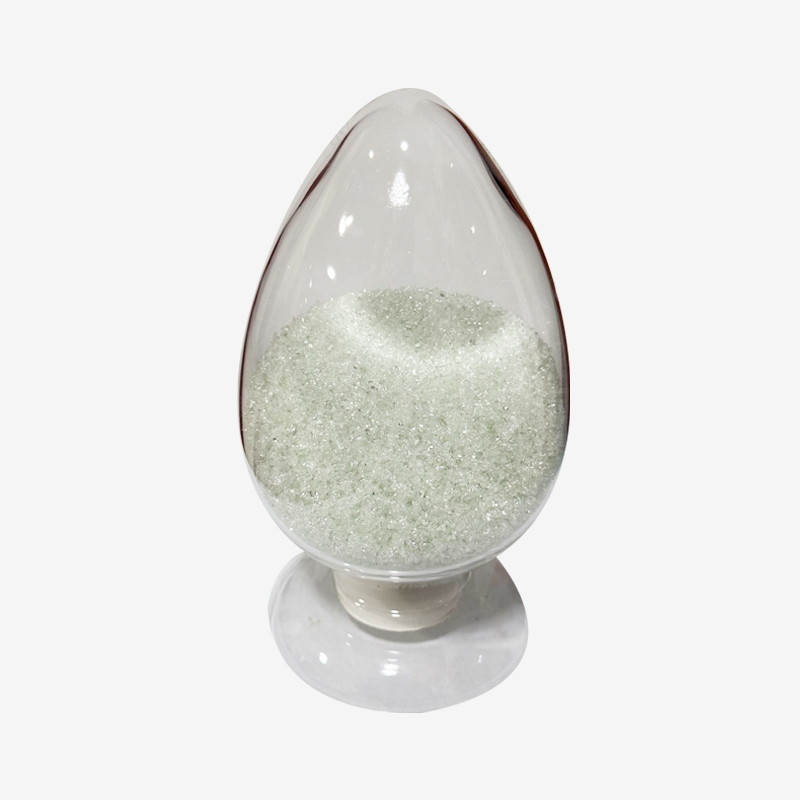
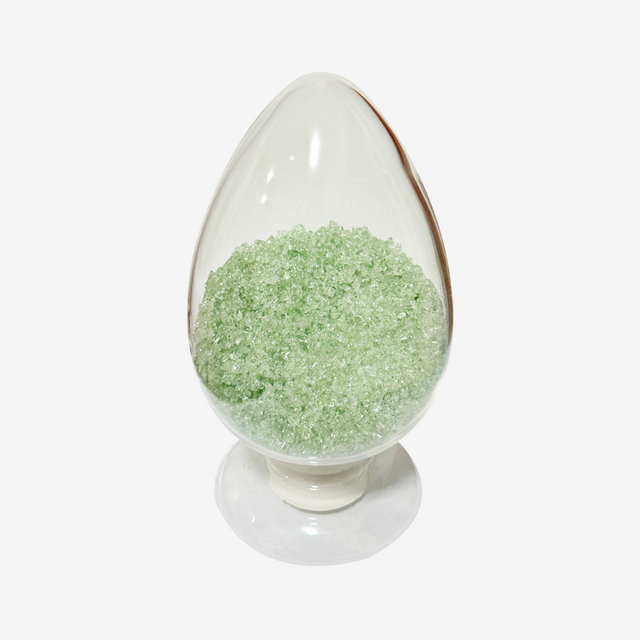
Evaluate how the supplier utilizes ceramic frit in their commercial formulations. Fritting involves melting raw materials into glass, then shattering it into a fine powder. This critical process locks in volatile elements and stabilizes water-soluble compounds. It ensures highly consistent melting points and vastly improves worker safety. Dust from fritted materials poses a much lower inhalation risk compared to raw silica. Formulations heavy in raw, unfritted minerals fluctuate wildly from batch to batch. Fritted formulations guarantee smoother application and predictable kiln behavior.
Request their acceptable variance margins immediately during the vetting process. They must measure viscosity, specific gravity, and thermal expansion (COE) meticulously. If a supplier cannot provide these exact numbers, walk away from the negotiation.
Here are common testing best practices you should demand:
Establish a strict baseline specific gravity (e.g., 1.45 to 1.55) for every delivery.
Measure flow rates and rheology using a standardized Zahn cup or Ford cup.
Fire sample test tiles systematically to verify the thermal expansion matches your specific clay body.
Conduct Hegman gauge tests to ensure particle sizes remain uniformly milled.
Check if the supplier utilizes a robust, digitized batch-tracking system. They must isolate and recall specific lots easily if issues arise. Production anomalies happen in every large-scale facility eventually. A digitized barcode system allows fast identification of bad batches before application. This prevents flawed materials from reaching your expensive production line. It minimizes costly downtime and protects your long-term brand reputation.
Mitigate legal and reputational risks proactively. Non-compliant commercial tableware or architectural ceramics invite devastating lawsuits. They also cause expensive, highly publicized product recalls.
Require independent third-party laboratory reports for all functional finishes. These reports must verify fired samples pass stringent heavy metal leaching standards. Do not accept internal company memos or verbal assurances of safety. You need certified compliance documents covering FDA guidelines, California Prop 65, and European REACH regulations. Different regions enforce completely different thresholds for cadmium and lead extraction. The standard FDA test requires soaking the finished piece in 4% acetic acid for 24 hours. Ensure your supplier tests against the strictest applicable standard for your primary target market.
Audit their Safety Data Sheets (SDS) for absolute accuracy and completeness. These documents dictate adherence to local occupational health regulations tightly. Your production floor workers handle these wet and dry materials daily. SDS paperwork must clearly state personal protective equipment (PPE) requirements for your staff. It should detail emergency spill response procedures and acute inhalation exposure risks. Incomplete documentation indicates a sloppy manufacturing culture.
Ensure the supplier categorizes their products accurately based on end-use. "Food Safe" does not always mean "Dinnerware Safe" in commercial environments. You must understand the specific nuances of surface durability and long-term acid resistance. A glossy finish might resist lemon juice and commercial dishwashers perfectly. A textured matte finish might degrade, scratch easily, and harbor dangerous bacteria over time.
Table 1: Ceramic Safety Designations Compared
Category Designation | Standard Definition | Durability and Wear Factors |
|---|---|---|
Food Safe | Passes basic laboratory leaching tests for toxic chemicals. | May still scratch, craze, or absorb moisture over time. |
Dinnerware Safe | Formulated for heavy daily use and commercial washing. | High acid resistance; surface remains pristine and hygienic. |
Decorative Only | Contains leachable metals or highly unstable surfaces. | Not suitable for food contact under any circumstances. |
Provide a rigid financial framework to justify external procurement partnerships. Comparing commercial sourcing against raw material mixing requires detailed operational analysis. You must account for every hidden expense.
Mixing your own formulas feels significantly cheaper during initial spreadsheet estimates. However, hidden expenses accumulate rapidly on the factory floor. You must calculate the heavy labor required for precise batch weighing and sieving. Add continuous equipment maintenance for heavy-duty mixers and specialized ventilation hoods. Factor in strict environmental disposal costs for hazardous waste. Handling raw silica generates dangerous respirable dust requiring intense OSHA compliance. Disposing of barium-contaminated wash water requires expensive specialized waste removal protocols.
Partnering with a dedicated vendor transforms your financial model positively. It shifts the burden of quality control entirely onto the manufacturer.
Follow these numbered steps to calculate true financial ROI:
Measure your current defect rate (kiln loss) resulting from unstable home-mixed formulas.
Compare this historical loss against the guaranteed defect rate using commercially stabilized formulas.
Calculate the direct labor hours saved by entirely eliminating your internal mixing department.
Estimate the new revenue gained from faster, uninterrupted production throughput.
Factor in the reduced liability insurance premiums achieved by removing raw hazardous chemicals from your floor.
Evaluate the supplier's Minimum Order Quantities (MOQs) closely. Excessively high MOQs tie up critical cash flow in unused inventory. Low MOQs might increase shipping frequencies and drive up freight costs. Balance these minimums carefully against your current inventory holding capacity. A reliable ceramic glaze supplier offers highly flexible scaling. They support small pilot runs and manage massive commercial Less-Than-Truckload (LTL) deliveries alike. They grow seamlessly alongside your production volume.
Determine the vendor's viability as a long-term, strategic operational partner. You need someone who performs exceptionally well during global production crises.
Assess their raw material reserves and warehousing capabilities carefully. Global supply chains experience frequent disruptions and sudden tariff hikes. Ask about average lead times for custom formulations versus standard stock products. A strong partner maintains large domestic warehouses. They keep essential minerals stockpiled continuously to buffer against sudden import delays. They manage their own upstream risks efficiently so you never experience material shortages.
Evaluate the direct availability of their trained ceramic engineers. Will they actively assist in diagnosing fit issues between your specific clay body and their coating? Crazing and shivering ruin entire expensive production runs instantly. You need an expert engineer on speed dial. They should analyze fired samples in their own labs. They must adjust the thermal expansion directly at their facility to solve your specific compatibility issues.
Determine if they can modify a baseline formula quickly and accurately. Your internal production environment changes as you upgrade equipment. You might install automated spray lines requiring much faster drying times. The vendor must adjust suspenders, rheology modifiers, and binders accordingly. They should tailor the viscosity specifically to match your exact application method, whether you utilize robotic spraying or manual dipping.
Selecting an external partner remains a massive strategic decision for any manufacturer. This partnership directly impacts daily product safety. It determines your ongoing environmental footprint and long-term bottom-line profitability. Choosing wisely stabilizes your manufacturing process and protects your valuable brand reputation.
Initiate the formal shortlisting process immediately to secure your supply chain. Request comprehensive technical data sheets and compliance certificates from your top three candidates. Review their third-party safety testing documents thoroughly. Next, order pilot-scale samples for rigorous internal validation. Run controlled tests on your specific clay bodies immediately. Program your standard firing schedules to verify real-world results. Complete these extensive physical trials before committing to binding commercial contracts. This strictly evidence-based approach ensures you build a sustainable, highly scalable manufacturing operation.
A: You must request up-to-date Safety Data Sheets (SDS) and independent third-party leach testing results. These reports verify your fired samples pass strict international safety standards. They protect your company from severe legal liability and ensure worker safety during daily factory application.
A: Frits stabilize toxic or highly soluble raw materials into an inert glass structure. This initial melting process makes the raw material significantly safer for workers to handle. It also prevents harmful chemicals from leaching into local water systems prior to the final kiln firing.
A: Yes, modern sustainable formulations easily meet or exceed harsh industrial durability standards. You must ensure the formulation matches your clay body's thermal expansion perfectly. Proper thermal matching guarantees a durable, scratch-resistant surface completely free of crazing or shivering defects.
A: Expect a comprehensive four-to-eight-week testing phase. This timeline encompasses initial sample receipt, test tile firing, and rigorous thermal shock testing. It also includes full pilot production runs to verify large-scale stability before you finalize major procurement contracts.