Views: 0 Author: Site Editor Publish Time: 2026-06-14 Origin: Site
Modern pottery has shifted significantly away from industrial manufacturing floors. It now thrives in small studios and household garages. This exciting transition brings a unique set of challenges. Studio artists must achieve consistent, safe, and durable finishes without relying on massive commercial-grade kilns. Raw materials often complicate this goal. They can be chemically unstable, highly toxic, or demand impractically high firing temperatures. We need a reliable alternative to solve this core operational problem.
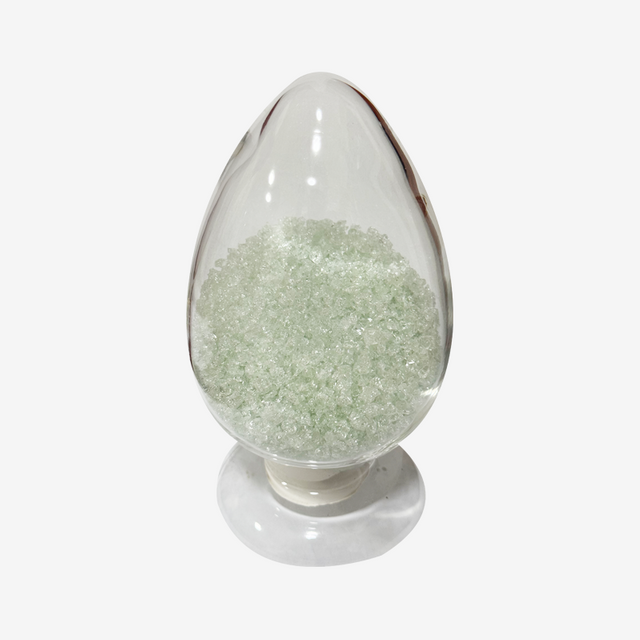
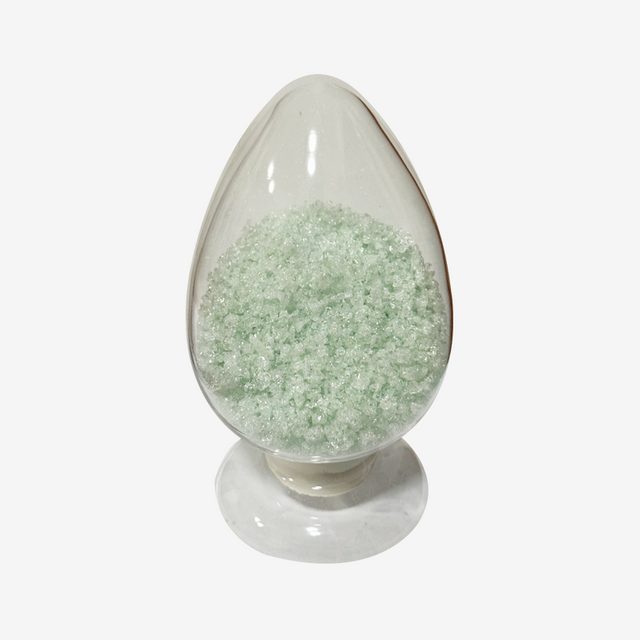
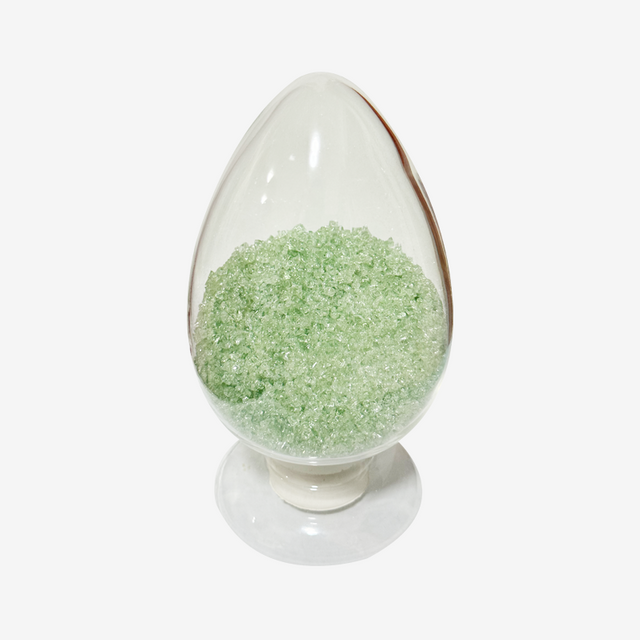
You can overcome these distinct hurdles by utilizing Household Ceramic Frit. It functions as a highly engineered solution. Frit is essentially a pre-melted, chemically stabilized glass powder. It guarantees absolute predictability throughout your entire firing process. This article provides a technical, evidence-based framework for everyday users. We will explore exactly how to evaluate, apply, and troubleshoot this essential material. You will learn how to master frit in your personal studio environment.
Purpose: Household ceramic frit acts as a stabilized flux, lowering the melting point of a ceramic glaze while locking up soluble or toxic elements.
Evaluation: Success depends on matching the frit’s thermal expansion coefficient (COE) and melting range (Cone rating) to your specific clay body.
Implementation: Frit lacks natural suspension properties; it requires the addition of plastic clays or suspending agents to prevent hard-panning in the bucket.
Safety: Always verify Safety Data Sheets (SDS) for lead-free, food-safe compliance when shortlisting suppliers for household use.
Working strictly from raw materials introduces massive unpredictability. Materials mined from the earth change chemical properties slightly from batch to batch. This unpredictability often ruins functional household pottery. You might experience crazing, where a network of fine cracks ruins the aesthetic. Sometimes shivering occurs, causing sharp shards to peel off rim edges. Worse still, unstable raw fluxes can cause unsafe chemical leaching into food. Studio potters demand better control over their daily material inputs. Unpredictable materials simply waste time, money, and valuable kiln space.
We must look at how manufacturers produce this material to understand its value. Industrial producers mix raw minerals and melt them into a highly viscous liquid glass. They then quench this molten glass rapidly by pouring it directly into cold water. This sudden thermal shock shatters the hot glass into millions of tiny fragments. Finally, industrial mills grind these fragments into a fine, workable powder.
This intense thermal process physically alters the material chemistry. It renders highly water-soluble materials completely insoluble. It also stabilizes volatile compounds safely inside a locked glass matrix. You no longer have to worry about toxic fumes burning off inside a small household kiln.
A successful frit application achieves several distinct studio goals simultaneously. First, it significantly lowers your necessary firing temperature. Second, it improves the overall physical durability of the Ceramic Glaze. Third, it ensures you achieve reproducible aesthetic results across multiple firing batches. You stop guessing and start engineering your desired outcomes reliably.
Matching the frit’s COE to your clay body remains completely non-negotiable. COE accurately measures how much a specific material expands when heated. It also measures how much it shrinks when cooled. Your clay and your surface coating must expand and contract at nearly identical rates.
Mismatches lead directly to catastrophic structural failures. If the coating shrinks significantly more than the clay beneath it, crazing occurs. If it shrinks less than the clay, shivering happens. You must consult supplier data sheets for precise COE numbers before mixing any master batches.
Formulations target specific functional firing ranges. You must categorize frits by their intended thermal operational limits. Low-fire varieties typically melt perfectly between Cone 06 and Cone 04. Mid-fire alternatives are formulated explicitly for Cone 5 to Cone 6 environments.
Boron plays a massive functional role in these formulations. High-boron frits are incredibly useful in household applications for lower-temperature melting. Boron acts as a powerful glass former and a potent flux. It forces the mixed batch to melt efficiently at much lower temperatures. This saves substantial electrical energy and reduces wear on your heating elements.
Different chemical profiles yield vastly different aesthetic finishes. You must differentiate between high-alkaline options and calcium/boron alternatives. High-alkaline frits contain elevated amounts of sodium and potassium. They are the absolute best choice for developing vibrant copper blues or rich purples. Calcium and boron mixtures serve a fundamentally different purpose. They are much better for durable, clear, or opaque utilitarian finishes.
Frit Classification | Primary Chemical Drivers | Best Studio Application | Durability Profile |
|---|---|---|---|
High-Alkaline | Sodium, Potassium | Vibrant color development (Blues/Purples) | Lower physical resistance, prone to crazing |
Calcium/Boron | Calcium, Borate | Clear, opaque, utilitarian dinnerware | High scratch resistance, excellent stability |
High-Lead (Legacy) | Lead Oxide | Avoid entirely in home studios | Toxic, requires extreme ventilation |
You must understand substitution rules to use this powder effectively. When converting raw flux, follow baseline percentage guidelines carefully. A standard starting point replaces 50% of the raw flux in your existing recipes. You will then test the melting behavior on vertical tiles.
However, this powder lacks natural plasticity. It is essentially inert ground glass. You must explain the absolute necessity of adding clay to the bucket. You should add 10% to 15% kaolin or ball clay into the recipe. Frit is non-plastic. Without adding clay, the liquid mixture simply will not adhere to the bisqueware. It will flake off into dust before it even reaches the kiln.
You can also use this material outside traditional bucket recipes. We see frequent crossover applications in glass fusing and surface decoration. You can apply dry particles directly onto flat glass substrates. This approach creates highly unique surface textures. Potters also sprinkle coarse granules over flat ceramic surfaces before firing. The particles melt into pooling, glass-like decorative elements.
These engineered particles are quite heavy. They sink rapidly in buckets of water. We call this frustrating process hard-panning. The material settles into a concrete-like layer at the bottom of the mixing bucket. You must recommend specific suspension agents to prevent this issue. Bentonite is a highly plastic clay additive. Adding 1% to 2% bentonite keeps heavy particles afloat. CMC gum is another excellent suspending agent. It thickens the water slightly. Always mix these dry agents into your dry powder thoroughly before introducing any water.
Reality: Frit-heavy glazes settle rapidly into a solid mass.
Solution: Introduce flocculants to keep the particles suspended properly in household storage conditions. Epsom salts work perfectly for this chemical task. Dissolve a small pinch of Epsom salt in warm water. Add this liquid slowly to your mixed bucket while stirring. It subtly changes the electrical charge of the floating particles. They become fluffy and repel each other. They stop packing tightly at the bottom.
Reality: Over-firing a highly fritted glaze can cause the boron to boil violently, leaving sharp surface defects.
Solution: Implement a precise drop-and-hold firing schedule. Do not let the kiln turn off immediately upon reaching peak heat. Allow gases to escape before the surface cools and hardens.
Step 1: Ramp kiln to the target peak temperature.
Step 2: Drop the temperature quickly by 100 degrees Fahrenheit.
Step 3: Hold this new temperature steady for exactly 15 to 30 minutes.
Step 4: Allow the kiln to cool naturally.
Reality: Simply using "frit" does not automatically mean your pottery is "food safe."
Solution: Testing for chemical durability and leaching is still heavily required if the final product is intended for culinary household use. You can perform a basic lemon test at home. Leave a freshly cut lemon slice on the fired surface overnight. Wash it off the next morning. If the color changes, dulls, or feels rough, the surface is not chemically stable. Professional lab testing remains your only legal guarantee against heavy metal leaching.
Selecting the right material supplier is crucial for small operations. Only purchase from suppliers providing comprehensive and transparent spec sheets. You absolutely need exact COE numbers for matching calculations. You need deep chemistry breakdowns to understand the active fluxes. You must demand an official Safety Data Sheet (SDS). Never buy unlabelled bags of white powder for studio use.
Evaluate your potential suppliers based strictly on their quality control track records. Household users completely lack the expensive lab equipment required to re-test raw materials. You cannot run chemical analyses every time a new batch is ordered. Rely on large industrial suppliers who maintain strict internal consistency. Buy from established brands possessing strong reputations for chemical accuracy.
Do not buy massive bulk bags blindly. We highly recommend purchasing 1-5 lb sample bags first. Choose 2-3 different functional classifications. Try buying a fast-fire boron mixture alongside a high-alkaline mixture. Run controlled test tiles through your own kiln. Document the melting flow, the surface gloss, and the color response meticulously. Build your personal confidence before committing to a larger 50 lb purchase.
Household ceramic frit represents an indispensable technical tool for modern potters. It successfully achieves professional-grade stability and safety in small-scale setups. Proper implementation relies strictly on solid data rather than sheer guesswork. You must focus intently on COE numbers and specific temperature compatibility.
We strongly encourage users to document their test tile results meticulously. Record your firing schedules, percentages, and visual observations in a dedicated logbook. This practice builds a highly reliable personal database of material behaviors over time. You will eliminate frustrating studio failures. You will begin firing your home kiln with absolute confidence and total predictability.
A: No, you absolutely cannot. You must recognize the severe difference in COE requirements. Glass frit is explicitly designed to match specific commercial glass types, like COE 90 or COE 96. Ceramic frit is specifically formulated to interact chemically with varied clay bodies and complex glaze chemistry. Their melting behaviors differ vastly.
A: You must directly address the complete lack of plasticity in the glass powder. Reiterate the use of bentonite or dissolved Epsom salts during your initial mixing phase. Add 1% to 2% dry bentonite into your dry recipe. This improves overall water suspension dramatically. Epsom salts act as an active flocculant, keeping particles fluffy.
A: No, do not make this dangerous assumption. Most modern frits marketed for everyday studio use are completely lead-free. However, buyers must explicitly verify the Safety Data Sheets (SDS) themselves. This step is incredibly important when purchasing materials from legacy suppliers or international manufacturers. Always verify chemical safety firsthand.