Views: 0 Author: Site Editor Publish Time: 2025-12-25 Origin: Site
Did you know that aluminum oxide is a key component in many ceramics and frits? Its unique properties make it essential in various industries.
In this article, we will explore the uses of aluminum oxide in ceramics and frits. You’ll learn how it enhances strength, heat resistance, and aesthetic qualities, making it invaluable in manufacturing durable, high-performance products.
Aluminum oxide is a white crystalline compound, composed of aluminum and oxygen atoms. It has a very high melting point, over 2,000°C, which makes it highly resistant to heat and an excellent choice for use in high-temperature environments. Aluminum oxide is also chemically stable, meaning it does not easily react with acids or bases. Its hardness is comparable to that of sapphire and diamond, making it one of the hardest naturally occurring materials. These properties allow aluminum oxide to be used in a variety of industries, from abrasives to ceramics and electronic components.
Aluminum oxide is a critical material in several industries due to its unique properties. In the ceramics industry, it improves the strength, thermal stability, and wear resistance of materials, making them suitable for high-temperature applications. It is also used in the production of abrasives, as it is extremely hard and capable of polishing or cutting other materials. Additionally, aluminum oxide serves as an electrical insulator in electronics, offering protection to sensitive components in devices like semiconductors and capacitors. Its versatility makes it one of the most sought-after materials in manufacturing processes worldwide.
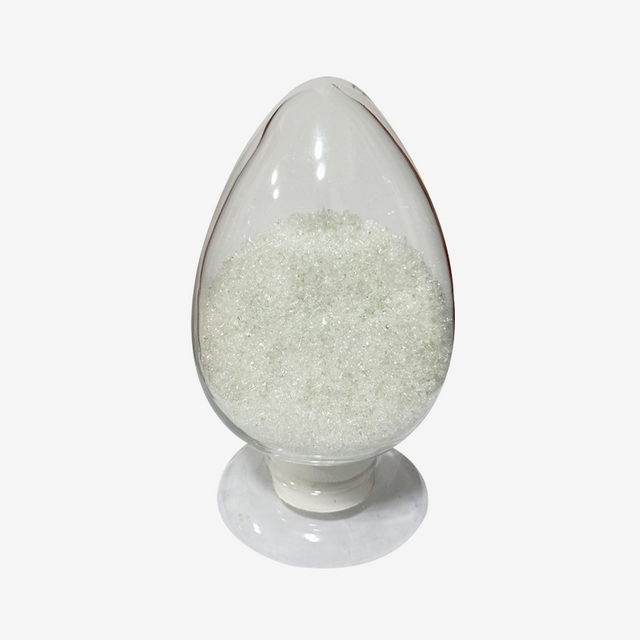
One of the primary uses of aluminum oxide in ceramics is to improve the mechanical properties of the material. When added to ceramic compositions, aluminum oxide significantly enhances their strength, making the material more durable and resistant to wear. This increased toughness makes aluminum oxide-based ceramics ideal for applications that require high performance and long-term durability, such as industrial machinery, cutting tools, and bearings. It is also used in manufacturing ceramic components for the automotive and aerospace industries, where high strength is a critical factor for safety and performance.
Aluminum oxide plays a key role in high-temperature ceramics due to its exceptional thermal stability. It can withstand temperatures exceeding 2,000°C, which makes it ideal for use in high-temperature environments such as furnaces, kilns, and engine components. Aluminum oxide-based ceramics are used in the construction of furnace linings, kiln bricks, and other components that must endure constant exposure to heat without degrading. The material’s ability to maintain structural integrity under extreme conditions makes it indispensable in industries such as metallurgy, glassmaking, and ceramics manufacturing.
Application Area | Role of Aluminum Oxide | Example Products |
High-Temperature Ceramics | Improves heat resistance and durability | Furnace linings, kiln bricks |
Ceramic Glazing | Enhances hardness and smoothness of the glaze | Decorative ceramic tiles, pottery |
Advanced Ceramic Components | Provides mechanical strength for critical parts | Bearings, cutting tools, engine parts |
Frits (Ceramic Glazes) | Increases the durability and appearance of glazes | Glazed ceramic tiles, cookware |
In the ceramics industry, aluminum oxide is frequently used in glazes, which are glass-like coatings applied to ceramic products for both aesthetic and functional purposes. When added to ceramic glazes, aluminum oxide improves the glaze’s hardness, thermal stability, and overall durability. It also enhances the smoothness of the glaze surface, providing a more polished and refined finish. Aluminum oxide-based glazes are more resistant to cracking, scratching, and staining, ensuring that ceramic products maintain their appearance and performance over time. These properties make aluminum oxide an essential ingredient in the production of decorative ceramics, such as tiles, pottery, and porcelain.
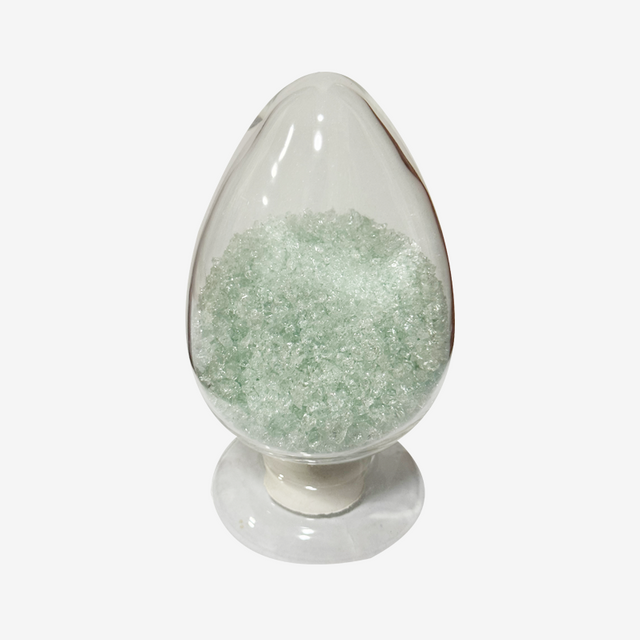
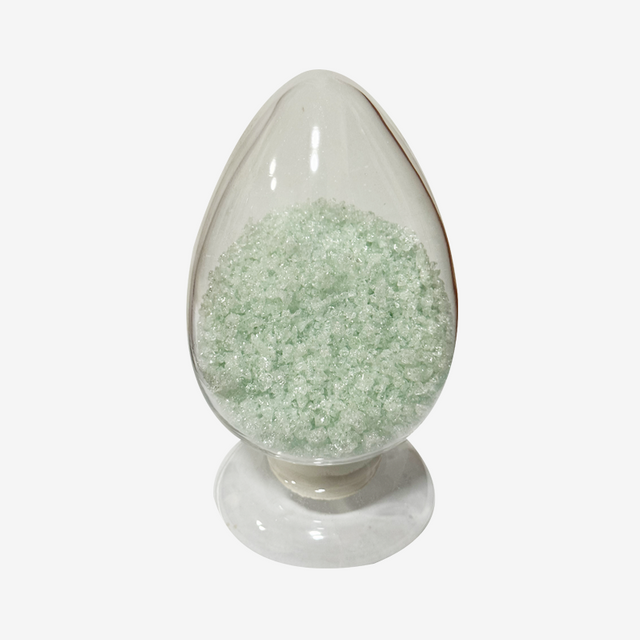
Frits are materials that are used in the glazing process of ceramics. They are produced by melting a mixture of raw materials, which are then rapidly cooled to form a glassy, solid substance. Frits are typically mixed with ceramic bodies to form glazes that provide a smooth, glossy, and durable finish to ceramic products. Aluminum oxide is a crucial component in many frits, as it enhances the durability, heat resistance, and overall performance of the glaze. Frits that contain aluminum oxide are ideal for applications where the ceramic product will be exposed to high temperatures or harsh conditions.
Aluminum oxide is often added to frits to improve the mechanical and thermal properties of the glaze. By incorporating aluminum oxide, manufacturers can produce frits that are more resistant to thermal shock, cracking, and abrasion. This is particularly important in applications where the ceramic product will be exposed to temperature fluctuations, such as cookware, tiles, and industrial components. Aluminum oxide also helps to increase the hardness of the frit, making it more durable and less prone to damage during use.
In addition to enhancing the strength and heat resistance of frits, aluminum oxide also plays a role in improving the aesthetic qualities of the glaze. It helps to stabilize the glaze, resulting in a smoother and more consistent finish. The presence of aluminum oxide in frits can also contribute to the brilliance and clarity of the glaze, enhancing the color and visual appeal of the ceramic product. This makes aluminum oxide-based frits ideal for applications where both performance and appearance are important, such as in decorative tiles, porcelain, and fine ceramics.
The addition of aluminum oxide to ceramics and frits significantly improves their mechanical properties. Aluminum oxide-based materials exhibit higher strength, toughness, and wear resistance compared to traditional ceramics. This makes them ideal for applications in industries that require materials to withstand harsh conditions, such as aerospace, automotive, and manufacturing. In addition to improving the mechanical performance of the ceramic product, aluminum oxide also enhances the product’s overall durability, ensuring a longer service life.
Property | Aluminum Oxide (Al₂O₃) | Other Common Ceramic Materials |
Hardness | High (Mohs scale: 9) | Moderate (Mohs scale: 5-7) |
Wear Resistance | Excellent | Varies (low to moderate) |
Toughness | High | Moderate to low |
Thermal Stability | High | Moderate |
Heat Resistance | Over 2,000°C | Typically up to 1,300°C |
One of the most important benefits of using aluminum oxide in ceramics and frits is its exceptional heat resistance. Aluminum oxide-based materials can withstand temperatures of over 2,000°C, making them ideal for high-temperature applications. This includes uses in furnace linings, kiln bricks, and engine components, where materials must endure constant exposure to heat without deteriorating. The material’s ability to maintain its structural integrity and resist thermal shock ensures that aluminum oxide-based ceramics and frits remain functional in extreme environments.
In addition to its mechanical and thermal advantages, aluminum oxide also improves the aesthetic properties of ceramics and frits. When incorporated into ceramic glazes, it helps produce a smoother, more polished surface, enhancing the appearance of the finished product. Aluminum oxide also contributes to the brilliance and clarity of the glaze, providing a more vibrant and attractive finish. This makes aluminum oxide-based ceramics ideal for decorative applications, such as tiles, pottery, and porcelain, where both functionality and aesthetics are important.
Aluminum oxide is generally considered to be an environmentally friendly material. It is abundant in nature, primarily sourced from bauxite, and can be processed with minimal environmental impact. However, the energy required to extract and refine aluminum oxide can contribute to greenhouse gas emissions. As demand for aluminum oxide grows, manufacturers are exploring more sustainable methods of production to minimize its environmental footprint. Recycling aluminum oxide-based materials is also a growing practice to reduce waste and conserve resources.
Aluminum oxide is relatively cost-effective, especially considering the long-term benefits it offers in terms of durability and performance. Although the extraction and processing of aluminum oxide can be energy-intensive, the material’s widespread availability helps keep costs low. In addition, aluminum oxide’s ability to enhance the performance and longevity of ceramics and frits makes it a worthwhile investment for manufacturers. By improving the lifespan and functionality of ceramic products, aluminum oxide can help reduce maintenance costs and increase product reliability, making it a cost-effective solution for industries around the world.
Aluminum oxide is a crucial material in ceramics and frits, enhancing their strength, heat resistance, and aesthetic qualities. Its inclusion in ceramics improves durability, making it suitable for high-temperature applications. In frits, aluminum oxide enhances the glaze's hardness and visual appeal. Chuangxiang Laser Technology Co., Ltd. offers innovative solutions that incorporate aluminum oxide, providing high-quality, durable products that meet industrial demands.
A: Aluminum oxide (Al₂O₃) is a durable, heat-resistant compound used in ceramics to enhance their strength and thermal stability, making them suitable for high-temperature applications.
A: Aluminum oxide helps improve the hardness, smoothness, and thermal stability of ceramic glazes, providing a more durable and aesthetically pleasing finish.
A: In frits, aluminum oxide increases the hardness and heat resistance of glazes, helping to create durable, visually appealing finishes on ceramics.
A: Aluminum oxide's exceptional heat resistance makes it ideal for ceramics used in extreme environments, such as kilns and engine components.
A: Yes, aluminum oxide is cost-effective due to its durability, improving product lifespan and reducing the need for frequent replacements in ceramics and frits.