Views: 0 Author: Site Editor Publish Time: 2025-12-23 Origin: Site
Are you choosing the right frit for your glazed floor tiles? The quality of Glazed Floor Tile Frit plays a significant role in both the appearance and performance of your tiles.
In this article, we’ll guide you through the top tips for selecting the best Glazed Floor Tile Frit. You’ll learn what factors to consider, from durability to finish, ensuring your tiles are both beautiful and long-lasting.
When it comes to choosing the right flooring for any space, glazed floor tiles are often a top choice due to their durability and aesthetic appeal. However, one crucial aspect that can make or break the performance of these tiles is the frit used in their glazing. Glazed floor tile frit not only contributes to the visual finish but also impacts the tile's resistance to stains, scratches, and other wear over time. In this article, we will explore the top selection tips for choosing the perfect glazed floor tile frit, helping you make an informed decision that ensures both beauty and longevity for your tiled surfaces.
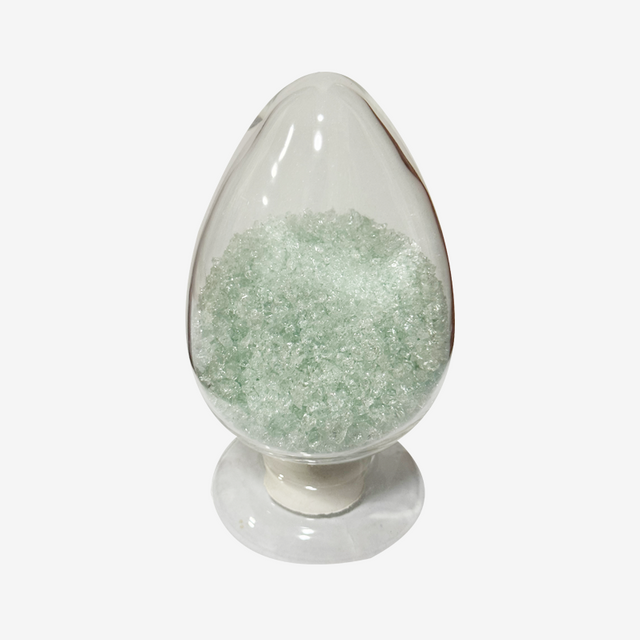
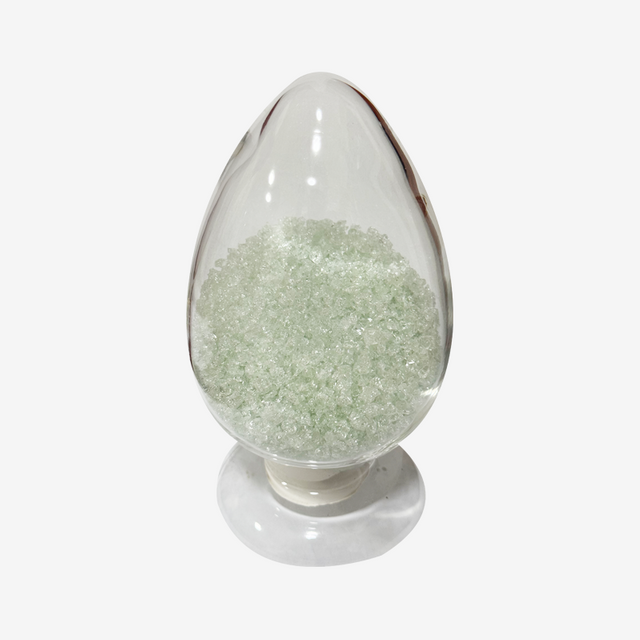
Glazed floor tile frit is a mixture of crushed minerals that, when melted, forms a glassy coating on tiles. This coating serves multiple purposes: enhancing the visual appearance, improving durability, and making tiles easier to clean. Frits are used to create a glossy or matte finish and can significantly affect the performance of the tiles, including their resistance to stains, scratches, and chemicals.
The composition of frit typically includes silica, feldspar, and other fluxing agents that lower the melting point. The key to understanding frit is recognizing that its properties are influenced by the ratio of these materials. Silica provides structure and strength, while fluxing agents help the frit melt smoothly, ensuring a consistent finish. Some frits may also contain barium, lead, or boron, which can alter the color, texture, and durability of the glaze.
Frits come in various types, each offering different finishes. Some of the most common finishes include:
Frit Type | Finish | Ideal Use | Advantages | Disadvantages |
Glossy | Shiny, Reflective | High-traffic areas | Easy to clean, stain-resistant | Shows dirt and smudges easily |
Matte | Non-reflective | Residential, Modern | Subtle look, slip-resistant | Less shiny finish |
Satin | Smooth, Low-sheen | Contemporary spaces | Balanced look, easy to maintain | Can show wear over time |
When selecting the perfect frit for your glazed floor tiles, it's essential to consider several key factors that influence both functionality and aesthetics. The frit not only affects the tile's appearance but also plays a critical role in its durability and performance. Whether you’re tiling a residential space, a high-traffic commercial area, or an outdoor surface, understanding the intended use, finish preferences, and durability requirements will help you make the best choice. In this section, we’ll explore the top tips for selecting the ideal glazed floor tile frit to ensure your tiles stand the test of time while enhancing your space's design.
Before selecting a frit, it's crucial to understand the tile's intended environment. Residential, commercial, and industrial areas all have different requirements for tile durability and performance.
● Residential Use: Tiles for residential spaces typically require a balanced frit that offers both aesthetic appeal and durability. Consider matte or satin finishes for a more natural, timeless look.
● Commercial Use: High-traffic areas, such as retail or office spaces, benefit from glossy frits that are easier to clean and resist wear.
● Outdoor Use: Tiles for outdoor areas need frits that are resistant to UV light, weather, and potential chemical exposure. A matte or satin finish often provides better slip resistance for wet conditions.
Aesthetics play a significant role in the selection of glazed floor tile frit. The right frit can enhance or alter the entire look of a room or exterior.
● Finish: Choose a finish based on your desired aesthetic. Glossy finishes are great for modern, sleek designs, while matte or satin finishes are better suited for traditional or rustic spaces.
● Color Retention: Ensure that the frit maintains its color over time, even in harsh lighting or constant exposure to moisture. Frits that are high in silica tend to offer better color retention, while frits with high levels of fluxing agents may degrade more quickly.
Durability is perhaps the most critical factor in frit selection, especially for high-use floors. Frits can enhance the tile's resistance to several factors:
Factor | High-Silica Frit | High-Alumina Frit | Standard Frit |
Scratch Resistance | High | Very High | Moderate |
Stain Resistance | High | Moderate | Low |
Chemical Resistance | High | High | Moderate |
Longevity | Very High | High | Moderate |
It is essential that the frit is compatible with the body of the tile, such as ceramic or porcelain. The compatibility affects how well the frit adheres to the tile surface during the firing process. Tiles with a smooth, even body are best paired with frits that melt uniformly and bond securely.
● Porcelain Tiles: These tiles generally require a frit that melts at a lower temperature to ensure good adhesion.
● Ceramic Tiles: Frits for ceramic tiles may vary depending on the body’s porosity. More porous bodies may require frits with higher flux content to ensure proper fusion.
Tip: Always test frit compatibility with tile bodies before mass production, especially for large-scale projects.
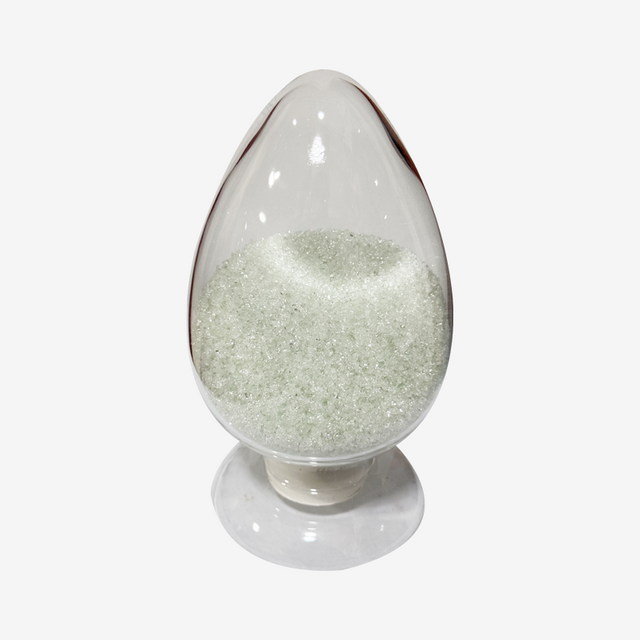
When selecting glazed floor tile frit for professional applications, there are several advanced factors to consider beyond basic functionality and aesthetics. As the demand for eco-conscious products increases, manufacturers must also prioritize environmental and health concerns. Additionally, fire resistance is crucial for tiles in high-temperature environments, such as kitchens or industrial settings. Lastly, while cost is an important consideration, balancing it with long-term quality is essential to ensure durability and performance. In this section, we’ll explore these advanced considerations to guide you in making a well-informed frit selection for your projects.
Eco-conscious tile manufacturers are increasingly looking for frits that meet environmental standards, which limit harmful chemical content such as lead or cadmium. Frits made with eco-friendly materials are available and can be certified by various environmental standards, such as ISO or Greenguard.
● Lead-Free Frits: These frits are a safer choice for both the environment and human health. Lead-based frits, although once common, are now discouraged due to their toxicity.
● Boron-Free Frits: Boron is often used to lower the melting point of frits, but its environmental impact has raised concerns. Boron-free frits offer a more sustainable option.
In environments that demand fire resistance, certain frits are specially formulated to improve the tile’s ability to withstand high temperatures. These frits may contain materials like alumina or silica, which enhance heat resistance.
● High-Temperature Environments: Tiles exposed to direct flames or extreme temperatures, such as kitchens or industrial settings, should utilize fire-resistant frits to ensure the tile’s integrity over time.
While it may be tempting to choose a frit based on cost, it is essential to consider the long-term benefits of investing in higher-quality frits. Cheaper frits may wear down faster or lack the aesthetic appeal that higher-end options offer.
● Budget-Friendly Options: For projects where budget is a concern, choose a frit that offers an acceptable balance between durability and appearance. Matte finishes, for example, are generally less costly than glossy finishes but can still offer good durability.
● Premium Options: For premium tiles, opt for frits with enhanced durability and color retention, even if they come at a higher cost.
Choosing the right Glazed Floor Tile Frit is crucial for both aesthetics and performance. It ensures durability, resistance to wear, and enhances the tile’s appearance. Consider factors like finish type, durability, and resistance to heat and moisture when selecting the frit. Chuangxiang Laser Technology Co., Ltd. offers high-quality Glazed Floor Tile Frit, providing durable and visually appealing solutions for various applications.
A: Glazed Floor Tile Frit is a glass-like material applied to ceramic tiles to create a smooth, durable surface. It enhances the tile's appearance and protects it from wear and damage.
A: When selecting Glazed Floor Tile Frit, consider factors such as finish type (glossy, matte), durability, resistance to heat and moisture, and the aesthetic needs of your space.
A: Glazed Floor Tile Frit improves tile durability by adding resistance to scratches, stains, and heat, making it ideal for high-traffic areas and moisture-prone spaces like kitchens and bathrooms.
A: Yes, Glazed Floor Tile Frit enhances the aesthetic appeal of tiles by providing glossy, matte, or textured finishes, contributing to a more refined and custom look.
A: The cost of Glazed Floor Tile Frit depends on its type, quality, and the specific application. Higher-quality frits with added durability or special finishes may cost more, but they offer better performance.
A: Not all Glazed Floor Tile Frit is suitable for high-traffic areas. Choose frits with enhanced scratch and stain resistance for areas like hallways, kitchens, or commercial spaces.