Views: 0 Author: Site Editor Publish Time: 2025-12-26 Origin: Site
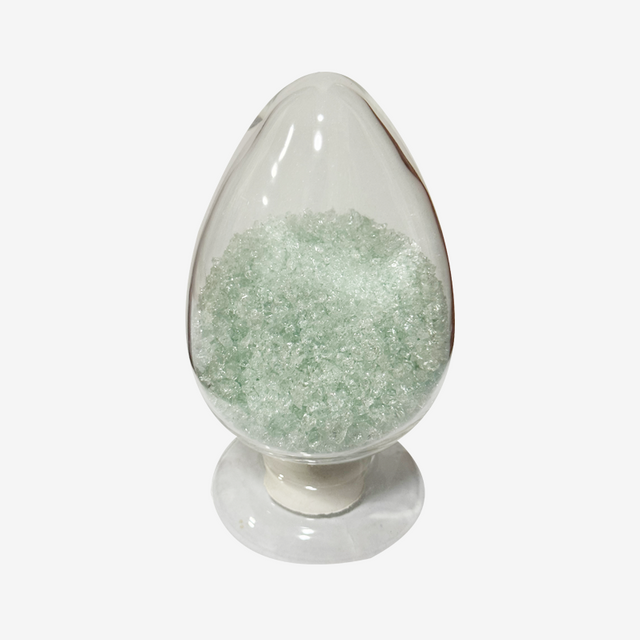
Ceramics are a staple in every household, from kitchenware to bathroom tiles. But have you ever wondered what makes these items so durable and aesthetically pleasing? The secret often lies in something called Household Ceramic Frit.
In this article, we will explore the core properties and benefits of Household Ceramic Frit. You’ll learn how it impacts the strength, appearance, and longevity of household ceramics. Let’s dive into the science behind this crucial material and why it matters for your everyday ceramics.
Property | Benefit Outcomes |
Fluxing & Softening Range | Lower firing temperatures, energy savings, faster production times |
Thermal Expansion Control | Prevention of crazing and peeling, increased durability |
Chemical Durability | Easier cleaning, longer-lasting appearance, resistance to stains and chemicals |
Mechanical Surface Performance | Scratch and abrasion resistance, impact resistance |
Optical & Aesthetic Control | Consistent color, gloss, and opacity, customizable finishes |
Rheology & Application Stability | Better coating uniformity, fewer surface defects |
Compatibility Levers | Seamless production, reduced defects, improved bonding with body and pigments |
Frit is often made from a mixture of raw materials that help control the melting and firing behavior of ceramic products. The fluxing properties of Household Ceramic Frit allow for a lower firing temperature and faster maturation. This is especially beneficial in a production environment, as it speeds up the process, reduces energy consumption, and allows for more efficient manufacturing.
Benefit Outcomes:
● Lower firing temperatures: By lowering the firing temperature, the frit ensures that the ceramic material undergoes a more controlled and efficient transformation.
● Energy savings: Reducing the firing temperature helps cut down on the energy costs associated with the ceramic manufacturing process.
● Faster production times: Faster maturation of the frit means that products can be produced in less time, improving manufacturing efficiency.
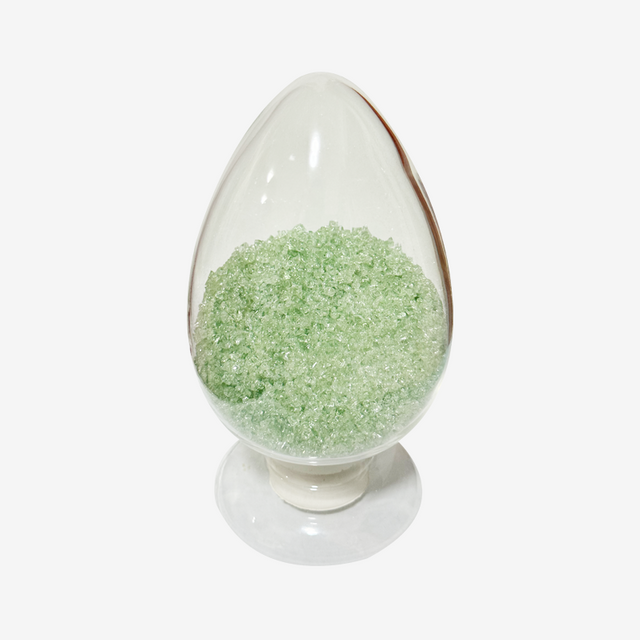
One of the key challenges in ceramic production is managing thermal expansion—ensuring that the ceramic surface and its body expand and contract at compatible rates during heating and cooling. Household Ceramic Frit helps address this by controlling the thermal expansion of the final product.
Benefit Outcomes:
● Prevention of crazing and peeling: Proper thermal expansion matching between the body and frit prevents cracking or flaking, ensuring the ceramic product remains intact and visually appealing.
● Increased durability: By controlling thermal expansion, frit enhances the durability of the product under varying temperature conditions, reducing the likelihood of defects over time.
Ceramic surfaces are exposed to a variety of chemicals in the household, from detergents and acids to oils and foodstuffs. Household Ceramic Frit increases the chemical durability of ceramic products, ensuring they resist staining, etching, and discoloration from common household substances.
Benefit Outcomes:
● Easier cleaning: Ceramic items coated with frit are less likely to absorb stains or develop permanent discoloration, making them easier to clean and maintain.
● Long-lasting appearance: The chemical resistance provided by frit ensures that ceramic products maintain their pristine appearance for longer, reducing the need for replacements or repairs.
The surface of ceramics is vulnerable to scratches, abrasions, and impacts from everyday use. Frit improves the mechanical properties of ceramic surfaces, providing enhanced resistance to damage.
Benefit Outcomes:
● Scratch and abrasion resistance: Frit helps create a more resilient surface that can withstand scratches from utensils, footwear, and other abrasive materials.
● Impact resistance: The toughened surface can also better withstand knocks or impacts, preserving the integrity of the product over time.
Frit also plays a crucial role in the aesthetic qualities of ceramic products, such as the glossiness, opacity, and overall color of the finished piece. Frit helps control these aspects, ensuring the desired visual characteristics are achieved consistently.
Benefit Outcomes:
● Consistent color and gloss: Household Ceramic Frit ensures that color and gloss remain consistent throughout production, preventing variations that could affect the final appearance of the product.
● Customizable finishes: Manufacturers can adjust the frit formulation to achieve specific finishes, such as matte, glossy, or opaque, depending on the desired aesthetic for the ceramic product.
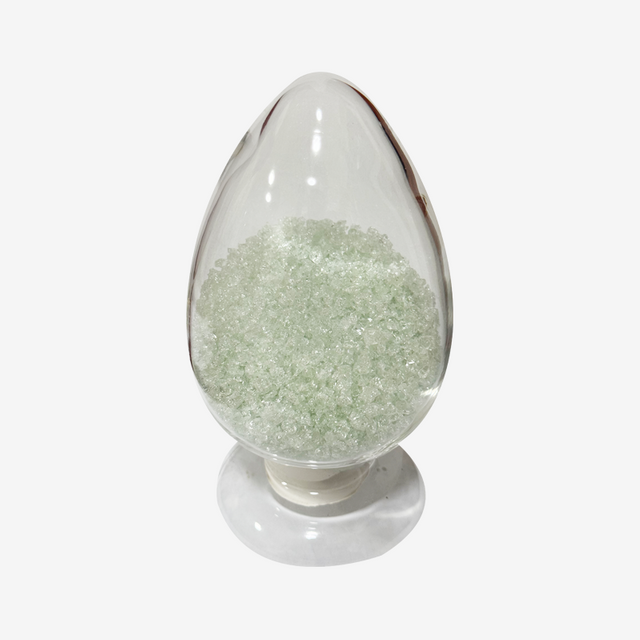
The rheological properties of frit influence its ability to form a smooth, even coating on ceramic products. A well-formulated frit ensures that the coating is uniform, reducing the likelihood of defects such as pinholes, crawling, or uneven surface textures.
Benefit Outcomes:
● Improved application: Household Ceramic Frit provides better control during the application process, whether it's sprayed, dipped, or screened onto the ceramic body.
● Fewer surface defects: A more uniform application reduces the occurrence of surface imperfections, resulting in smoother, more attractive finished products.
Frit must be compatible with the ceramic body, pigments, and the production process. Properly selected frit ensures that it bonds well with the ceramic material, works harmoniously with pigments, and fits the firing schedule.
Benefit Outcomes:
● Seamless production: The right frit ensures that each component of the ceramic product (from body to glaze) fits together, making the production process smoother and more predictable.
● Minimized defects: When frit is compatible with other materials, it reduces the chances of defects, such as glaze incompatibility or firing issues.
While raw materials like feldspar, quartz, and carbonates have long been used in ceramic manufacturing, frit offers a higher degree of predictability and consistency. Frit’s well-defined composition ensures a more controlled melt and better overall results.
Boron-containing frit provides superior thermal expansion control, but boron-free frits are preferred when certain environmental or regulatory factors come into play. The choice depends on the specific needs of the product.
Transparent frit systems are ideal for products requiring clarity or translucence, such as certain tableware. Opaque frits, on the other hand, are used when opacity and stain concealment are more important, like bathroom tiles.
Ceramic tiles, which face constant foot traffic and cleaning, benefit greatly from frit’s durability and ease of cleaning. The right frit formulation ensures that tiles remain glossy and resistant to wear and stains.
Tableware used in daily life must withstand heavy cleaning and cutlery marks. Household Ceramic Frit ensures these items remain attractive and functional despite frequent use.
Sanitaryware is exposed to various chemical agents and extreme temperature changes. Frit’s chemical resistance and thermal stability make it the ideal solution for ensuring long-lasting bathroom ceramics.
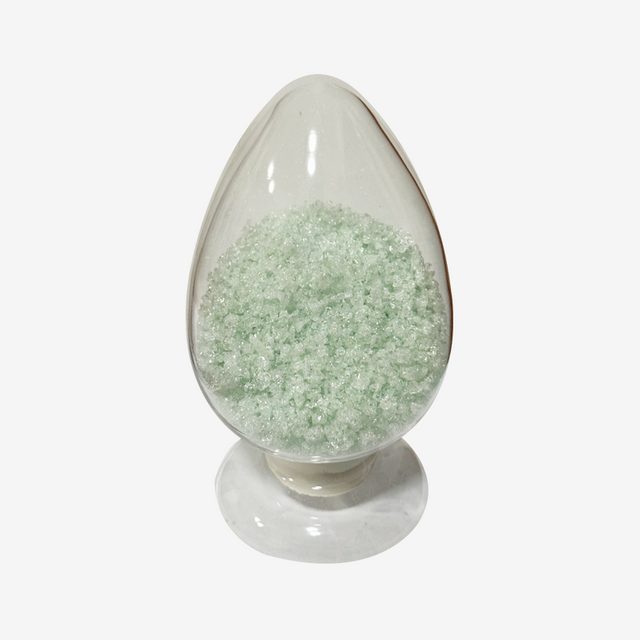
Frit’s rheological properties and thermal stability make it effective in minimizing common defects during the ceramic production process.
Household Ceramic Frit helps expand the firing temperature window, offering more flexibility and fewer chances for defects.
Frit helps stabilize ceramic products, reducing the risk of leachable materials, which is especially critical for food-contact items.
Frit’s ability to resist harmful leaching makes it a valuable component in ceramics that will come into contact with food.
By reducing firing temperatures and scrap rates, frit contributes to more sustainable manufacturing practices.
Selecting the right frit requires understanding the product’s use case and manufacturing requirements. Knowing these helps tailor frit selection.
Focus on thermal expansion, chemical resistance, and rheology when evaluating frit for your specific application.
Household Ceramic Frit is a vital material in ceramic manufacturing. It enhances the durability, appearance, and functionality of everyday ceramics, such as tiles, tableware, and sanitaryware. Its key properties, like thermal expansion control and chemical resistance, make ceramics more resilient to everyday use. By understanding these properties, manufacturers can optimize production processes, ensuring consistent quality and improved performance.
Chuangxiang Laser Technology Co., Ltd. offers innovative ceramic solutions that utilize advanced frit formulations. Their products deliver exceptional durability and aesthetic appeal, providing long-lasting value for household ceramics.
A: Household Ceramic Frit is a glassy substance used in ceramic manufacturing. It helps control the melting process, improve durability, and enhance the aesthetic properties of ceramics such as tiles, tableware, and sanitaryware.
A: Household Ceramic Frit enhances ceramics by improving thermal expansion control, making them more resistant to cracking and peeling. It also boosts chemical resistance, ensuring better stain and abrasion resistance in everyday use.
A: Household Ceramic Frit is essential for its ability to improve the appearance, wear resistance, and longevity of household ceramics. It provides a consistent finish and enhances the material’s resistance to damage from heat, moisture, and chemicals.
A: Yes, Household Ceramic Frit plays a key role in achieving the desired gloss, opacity, and color consistency. It helps in the development of vibrant colors and smooth finishes, making ceramics more visually appealing.
A: Household Ceramic Frit lowers the firing temperature in ceramic production, which helps reduce energy consumption and production costs. This leads to faster processing times and more energy-efficient manufacturing.
A: Unlike raw materials, Household Ceramic Frit offers more predictable and consistent results, reducing defects and ensuring better control over the firing process. This results in higher-quality ceramics with fewer defects.