Views: 0 Author: Site Editor Publish Time: 2026-09-16 Origin: Site
Tableware manufacturing faces a constant tug-of-war on the factory floor. Factories must achieve vibrant colors, smooth finishes, and minimal defect rates. At the same time, they navigate increasingly strict global health regulations. Completely lead-free formulations represent the ideal standard. However, they often introduce frustrating production bottlenecks. Manufacturers frequently encounter much higher firing temperatures and elevated defect rates. These issues ruin large batches of pottery and hurt profitability.
Low-lead formulations offer a highly pragmatic middle ground for modern producers. We will explore how evaluating a low lead ceramic glaze becomes a strategic business decision. You will learn to balance aesthetic quality and production efficiency smoothly. We also cover how to ensure verifiable consumer safety across your entire product line. This guide provides actionable steps to optimize your manufacturing controls effectively.
Low-lead glazes provide essential fluxing properties at lower temperatures, reducing energy costs and equipment wear.
Strict adherence to firing protocols is non-negotiable; incomplete melting is the primary cause of hazardous leaching.
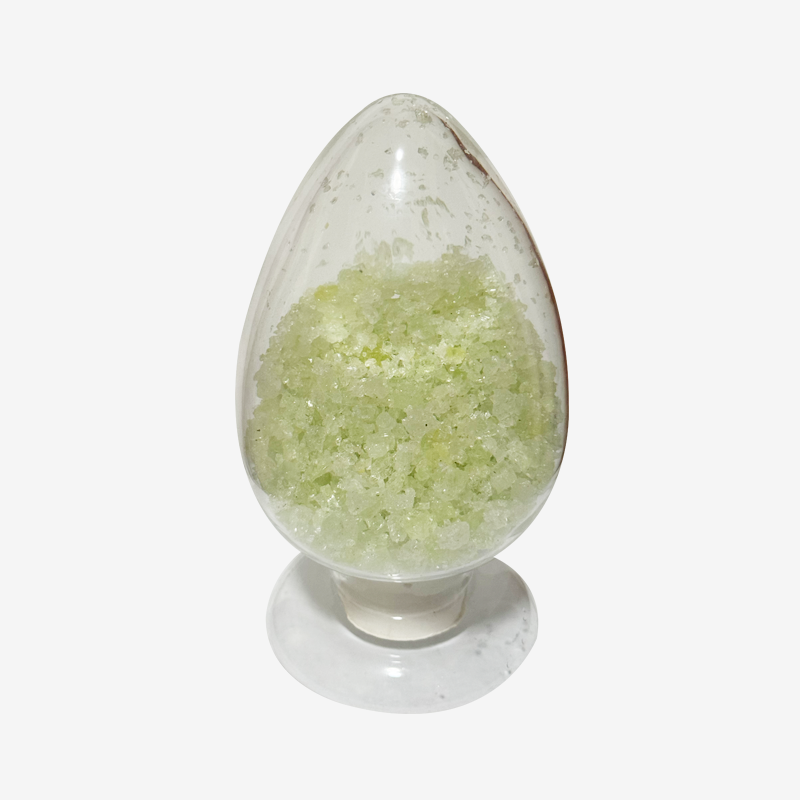
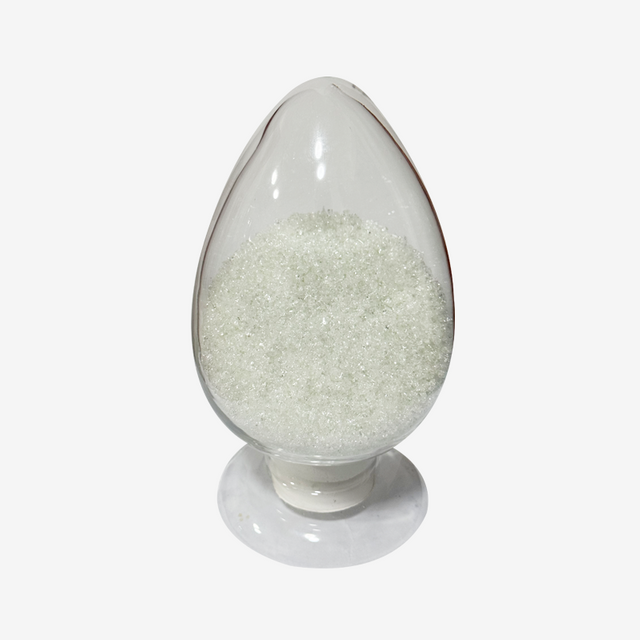
Sourcing a highly stable household ceramic frit minimizes raw material variability and ensures reliable batch-to-batch compliance.
Evaluating a dinnerware glaze requires balancing aesthetic demands against mandatory FDA and international leaching limits.
Transitioning entirely away from traditional fluxing agents presents steep technical challenges. Lead-free alternatives often require significantly higher firing temperatures to melt properly. They also exhibit higher tendencies for crawling, crazing, or shivering. These defects ruin large batches of pottery during final production stages. You lose significant time attempting to reformulate raw materials. Factories often struggle to replicate historical gloss levels without highly specialized kilns.
Pushing kilns to higher temperatures increases daily fuel consumption dramatically. It accelerates the degradation of expensive kiln furniture and refractory bricks. High defect rates directly impact the overall profitability of commercial tableware runs. You lose money on every single rejected plate or bowl. The scrap rate climbs when surface tension prevents the liquid glass from smoothing out. Manufacturers quickly realize absolute purity carries extreme operational costs.
A properly formulated low-lead tableware coating acts as a reliable flux. It bridges the severe gap between historical quality standards and modern safety expectations. You keep rejection rates low while meeting rigorous health benchmarks. This approach acknowledges production realities without sacrificing consumer protection. It allows factories to maintain legacy color profiles and finish textures reliably.
Chart: Lead-Free vs. Low-Lead Tableware Production Variables
Production Variable | 100% Lead-Free Formulations | Optimized Low-Lead Formulations |
|---|---|---|
Maturation Temperature | Generally higher (Cone 6 to Cone 10) | Significantly lower (Cone 04 to Cone 06) |
Energy Consumption | High fuel and electricity demand | Reduced overall energy requirement |
Defect Probability | High risk of crazing and pinholing | Low risk, excellent self-healing |
Color Stability | Poor for warm pigments (reds/yellows) | Excellent vibrancy for complex pigments |
The primary benefit of these specific formulations lies in immense thermal efficiency. These materials reduce the total energy required for the kiln. They reach the necessary melting point much faster than alternative fluxes. This extends the lifespan of internal heating elements and specialized refractories. Factories save capital on routine kiln maintenance and monthly utility bills. The lower thermal requirement streamlines the entire factory output schedule.
A low-lead flux promotes a remarkably smooth, glass-like finish during cooling. This dense surface resists harsh cutlery marking from knives and forks. It also prevents dangerous bacterial growth within microscopic surface abrasions. Both traits remain essential for commercial restaurant usage and domestic tableware. Customers expect their plates to withstand daily dishwasher cycles without scratching. These formulations deliver that mandatory durability consistently.
Formulating bright colors often frustrates modern potters and industrial chemists. Lead stabilizes complex pigments incredibly effectively during the firing phase. Specific cadmium reds, vibrant yellows, and deep oranges degrade rapidly otherwise. They burn out in high-temperature, entirely lead-free environments. A low-lead environment preserves these vibrant hues without dulling the final finish. You maintain maximum creative control over your product aesthetic.
These formulas lower the surface tension of the melt significantly. The liquid glass heals over raw pinholes seamlessly as it flows. It conforms evenly to the underlying bisque shape without crawling away from edges. This drastically reduces common surface blemishes on complex rims and handles. Potters experience higher yield rates on their most challenging sculptural pieces.
Safety begins long before the first piece enters the factory kiln. The lead must be chemically bound within a manufactured household ceramic frit before mixing. Never add it as raw, loose oxide powder. Fritting locks the hazardous materials inside a stable glass matrix beforehand. This prevents dangerous airborne workplace exposure and ensures absolute chemical stability. You protect your employees while standardizing your raw material inputs.
You must match the coefficient of thermal expansion (CTE) flawlessly. The CTE value of the surface layer must precisely match the underlying clay body. Mismatched expansion inevitably causes delayed crazing weeks or months later. Crazing creates microscopic crack pathways for future chemical leaching. Consumers might expose these underlying cracks to hot, acidic foods. Accurate CTE alignment prevents this dangerous long-term failure mode.
Tableware faces harsh chemical environments daily in modern kitchens. The cured finish must withstand sustained exposure to acidic foods constantly. Think of citrus juices, tomato sauces, and strong household vinegar. The silica network must endure these without degrading or losing its gloss. You must evaluate any potential dinnerware glaze against these rigid durability standards. Weak formulations will turn cloudy and begin releasing bound compounds rapidly.
Sourcing raw materials requires extreme diligence and strict internal auditing. Suppliers must provide verifiable batch-testing data for every shipment they deliver. They should offer clear chemical composition breakdowns upon immediate request. You need this precise data to protect your brand reputation absolutely. Do not accept materials from vendors who refuse independent chemical verification.
Follow these essential steps when evaluating new material suppliers:
Verify frit stability through independent chemical binding audits.
Match CTE values perfectly with your existing factory clay bodies.
Test cured samples against harsh dietary acids over extended periods.
Demand comprehensive vendor transparency and ongoing batch tracking documentation.
Simply purchasing a low-lead product does not guarantee a safe end-product. Operator execution remains absolutely critical throughout the entire manufacturing process. Poor firing technique ruins perfectly good materials in mere hours. Many factories assume the frit protects them completely from operator error. This myth creates dangerous vulnerabilities in consumer-facing product lines.
Under-firing poses the single greatest health risk in this industry. It prevents the protective silica network from fully forming around the flux. This leaves microscopic lead molecules unbound within the immature glass matrix. They become highly susceptible to leaching directly into warm food. You must verify that your kilns reach absolute peak maturation temperatures evenly. Thermocouples alone cannot guarantee accurate heat work across massive loads.
You must control the internal firing atmosphere closely and consistently. Reduction atmospheres alter the chemical binding process negatively and unpredictably. Heavily packed kilns often create uneven heating zones and localized reduction pockets. Consistent, clean oxidation remains strictly required for maximum molecular stability. Airflow must penetrate the entire stack of kiln furniture freely.
Best Practices for Firing Controls: Use calibrated pyrometric cones on every single kiln shelf. Cones measure actual heat work rather than just ambient air temperature. They reveal hidden cold spots that cause dangerous under-firing. Adjust your loading density if you discover severe temperature variations.
Managing multiple product lines requires strict isolation protocols internally. You risk dangerous cross-contamination when sharing factory equipment between batches. Do not use the same kiln shelves for leaded and lead-free production lines. Keep mixing tools, sieves, and application sprayers completely separate at all times. Volatilized compounds can settle on adjacent shelves and contaminate pure batches easily.
Manufacturers must understand international safety baselines before exporting any products. The FDA sets very strict guidelines for heavy metals in food-contact surfaces. You also face rigorous EU directives and California's notorious Prop 65 regulations. Each governing body dictates specific, highly controlled allowable limits. Selling non-compliant goods triggers massive recalls and destructive legal liabilities.
Guesswork has no place in commercial tableware production today. You need standardized extraction tests to verify exact leaching limits scientifically. Industry standards require approved ASTM test methods for true legal protection. Laboratories typically use a 4% acetic acid solution over a 24-hour period. This simulates prolonged exposure to highly acidic household foods perfectly. You cannot perform this level of testing accurately in a standard factory setting.
Protect your business through rigorous and redundant record-keeping practices. Maintain a traceable chain of custody for every single product run. Document everything from the initial frit supplier to the final fired batch. This paperwork secures vital liability protection during unexpected regulatory audits. Achieving verifiable ceramic glaze compliance demands constant vigilance and absolute organizational transparency. Major retail distributors will demand these documents before placing wholesale orders.
Standard Extraction Test Variables
Test Parameter | FDA / ASTM Protocol | Purpose of Measurement |
|---|---|---|
Leaching Solution | 4% Acetic Acid | Simulates common dietary acids (vinegar, tomatoes). |
Test Duration | 24 Hours continuous | Replicates overnight food storage in containers. |
Temperature | Room Temperature (approx 20-22°C) | Standardizes the baseline extraction environment. |
Vessel Category | Flatware vs. Hollowware | Determines acceptable limits based on liquid volume capacity. |
Transitioning to or optimizing low-lead glazes is not a compromise on safety. Provided your manufacturing controls are rigorous and evidence-based, it remains highly effective. You can achieve beautiful, durable finishes without endangering your customers. The secret lies in strict temperature management and excellent raw materials.
Prioritize suppliers who offer premium pre-fritted options immediately. Demand documented acid-resistance data before committing to large bulk orders. Ensure these specific materials tailor perfectly to your unique factory clay bodies. A strong vendor partnership prevents catastrophic failures down the production line.
Initiate a strict small-batch testing phase first. Focus heavily on CTE alignment to prevent crazing. Conduct professional third-party laboratory leaching tests before scaling to full factory production. These careful steps protect your brand reputation and ensure long-term profitability.
A: Yes, provided it is properly formulated (fritted), fired to full maturity, and passes certified independent leaching tests. It must strictly meet FDA or ASTM extraction standards to ensure absolute safety.
A: Traditional glazes often used raw lead compounds, which are highly volatile and toxic. Modern low-lead formulations lock the material into a stable glass frit before it reaches the potter. This drastically reduces handling toxicity and post-firing leaching potential.
A: While ideal in theory, lead-free glazes often struggle to achieve bright colors. They require significantly more energy to fire successfully. They also suffer from higher defect rates on specific commercial clay bodies. Low-lead offers a practical, highly compliant compromise for complex production needs.