Views: 0 Author: Site Editor Publish Time: 2026-10-26 Origin: Site
Transitioning to eco-friendly materials often introduces unpredictable performance variables. You might experience sudden color shifts, altered melting points, and uneven surface textures. These material variations threaten your production consistency and disrupt standard manufacturing workflows. Incorrect material selection leads directly to high defect rates on the factory floor. You also risk severe compliance failures, such as dangerous heavy metal leaching in food containers, alongside massive amounts of wasted firing energy.
We built this guide to provide a robust technical evaluation framework. We aim to help you select sustainable surface finishes without sacrificing core durability. You will learn how to maintain strict safety compliance guidelines across multiple product lines. We also show you how to guarantee a beautiful, repeatable aesthetic yield. Our structured approach ensures your shift toward greener manufacturing remains highly practical, environmentally sound, and scalable for long-term operations.
Eco-friendly glazes are defined by heavy-metal omission (lead, barium), non-toxic sourcing, and lower-energy firing requirements.
Different ceramic glaze applications require distinct technical baselines: tableware demands chemical durability, while architectural tiles require abrasion and frost resistance.
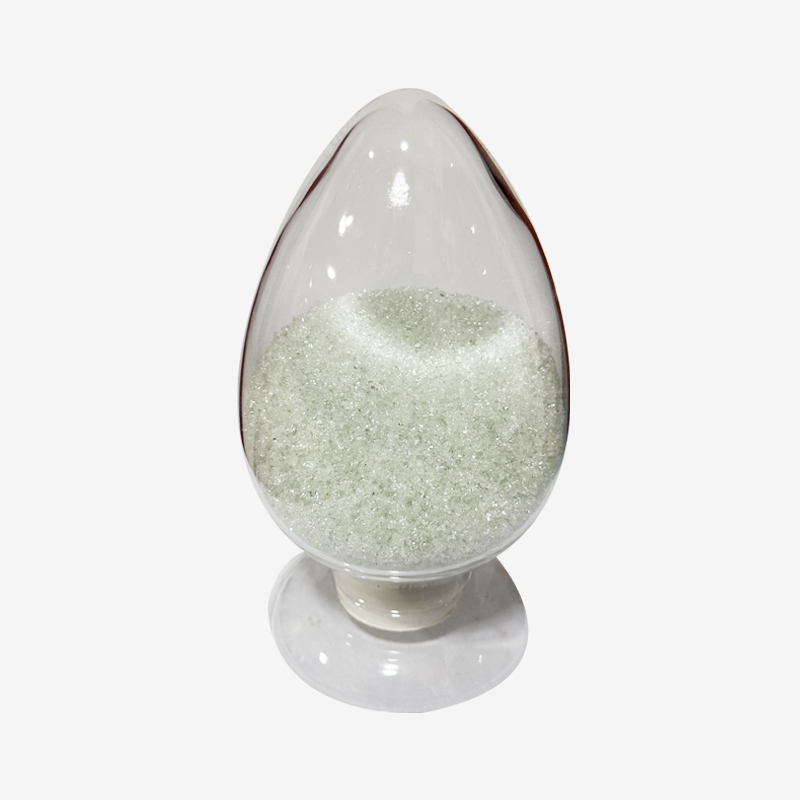
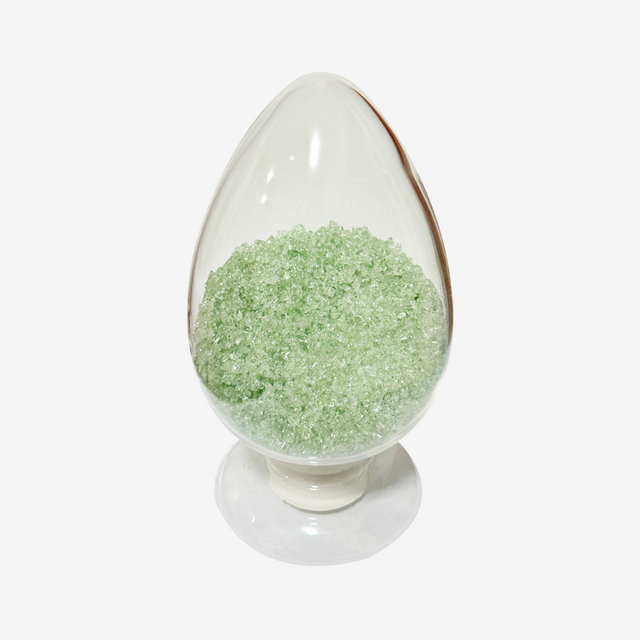
Incorporating ceramic frit into sustainable formulas stabilizes volatile materials and standardizes melting behavior at lower temperatures.
Successful implementation requires testing for thermal expansion compatibility (preventing crazing/shivering) and securing transparent compliance documentation from suppliers.
Marketing teams frequently use "eco-friendly" as a buzzword. For factory managers and studio decision-makers, this label must translate into verifiable material safety. You cannot rely on greenwashing when configuring production lines. You need sustainable formulas that deliver true operational efficiency. We measure this efficiency through reduced toxicity, lower energy demands, and fully transparent supply chains.
Toxicity reduction serves as your foundational baseline. You must eliminate lead, barium, and hazardous heavy-metal colorants from the workspace. Modern sustainable chemistry relies heavily on safer fluxing agents. We now utilize calcium, potassium, and sodium to achieve proper melting behaviors. These safer fluxes drastically reduce health risks for workers. They also eliminate the danger of toxic materials migrating into consumer environments.
Energy efficiency represents the second critical baseline. Chemists design these eco-friendly formulations to mature at significantly lower firing temperatures. Targeting ranges from Cone 04 to Cone 6 directly reduces overall kiln energy consumption. This temperature drop drastically lowers your manufacturing carbon footprint. Sourcing transparency acts as the final pillar. You must utilize ethically mined raw materials. We also recommend minimizing water-soluble toxins to protect your local studio or factory effluent systems.
You cannot apply a single sustainable formula across every ceramic product. Different product categories demand highly specific chemical and physical properties. Understanding these distinct segment requirements ensures your final product remains safe and fully functional.
Tableware requires the highest level of chemical durability. Success depends entirely on strict resistance to acid leaching. Technicians often use the lemon slice test to identify vulnerable surfaces. Your final finish must comply with FDA and Prop 65 safety standards. You can explore high-quality options designed specifically for these rigorous demands by utilizing a reliable ceramic glaze.
We evaluate tableware finishes through a very strict lens. The surface must resist aggressive cutlery marking during daily use. It also must withstand harsh commercial dishwasher degradation over several years. Matte eco-glazes require special technical scrutiny. They often harbor hidden micro-porosity. This micro-porosity traps dangerous bacteria if not formulated correctly.
Tiles face entirely different environmental stressors. Success criteria here center on extreme physical durability. You need high abrasion resistance, measured by standard PEI ratings. Exterior tiles require absolute frost resistance to survive freezing climates. Sanitaryware also demands excellent slip resistance where applicable.
You evaluate tile finishes based on manufacturing scalability. The formula must adapt seamlessly to high-speed spraying or waterfall application methods. You also need absolute color consistency across massive production batches. A slight color shift between batches ruins large-scale architectural installations.
Decorative pottery prioritizes visual impact over structural rigidity. Success criteria focus heavily on aesthetic flexibility. You want the capability for complex layering combinations. You also look for striking texture variations that stand out on a gallery shelf.
We evaluate decorative finishes based on their response to limited material substitutions. You must adapt to localized raw material availability. The formula needs enough flexibility to handle slight variations in local clay bodies without failing completely.
Table 1: Success Criteria Comparison Across Glaze Categories
Product Segment | Primary Success Criteria | Key Evaluation Lens | Critical Safety Metric |
|---|---|---|---|
Tableware | High chemical durability | Cutlery & dishwasher resistance | Acid leaching / Prop 65 |
Architectural Tiles | Abrasion & frost resistance | Scalability & color consistency | Slip resistance (PEI Rating) |
Decorative Pottery | Aesthetic flexibility | Complex visual layering | Material availability limits |
Raw compounding presents major risks for modern sustainable goals. Raw fluxes often behave unpredictably in the kiln. They off-gas heavily and migrate rapidly into porous clay bodies. We bridge this crucial gap by integrating specialized materials into the baseline formula.
Fritting physically locks away dangerous volatility. Manufacturers pre-melt soluble or volatile eco-friendly fluxes into stable glass. They then grind this glass into a fine powder. This process prevents unwanted off-gassing during your firing cycle. It stops aggressive material migration entirely. Utilizing a high-quality ceramic frit gives you unparalleled control over the melting phase.
These stabilized compositions actively optimize your firing curves. Specific chemical ratios drastically lower the overall melting point of the finish. This directly supports your lower-energy firing schedules. Achieving full maturity at Cone 04 saves immense amounts of fuel compared to Cone 10 schedules. It represents a massive win for environmental sustainability.
You must weigh the upfront material premium against your long-term return on investment. Fritted materials cost more initially. However, they guarantee extreme consistency. This consistency leads to vastly reduced defect rates. Lower kiln energy costs quickly offset the initial purchase price. You save money by eliminating discarded, defective inventory.
Choosing the right supplier dictates the success of your transition. You must look beyond standard marketing claims. We recommend evaluating suppliers across several strict technical dimensions. This ensures your chosen materials perform reliably under demanding industrial conditions.
First, verify the thermal expansion match. You must align the coefficient of expansion (COE) between the surface finish and the clay body. A mismatch causes delayed crazing or shivering over the product's lifecycle. Crazing creates fine cracks that harbor bacteria. Shivering causes sharp glass flakes to peel off the rim. Both defects ruin the final product.
Next, evaluate viscosity and suspension properties. You need to know how the material behaves inside the storage bucket. Does it hard-pan at the bottom after three days? Can you stabilize it easily using natural gums or commercial suspending agents? Poor rheology slows down production lines. We consider stable rheology essential for diverse ceramic glaze applications across your facility.
Always demand transparent compliance documentation. Never trust a verbal safety guarantee. You must require verifiable Safety Data Sheets (SDS). Ask for independent laboratory testing results regarding heavy metal release. Legitimate suppliers proudly share these documents.
Finally, assess supply chain scalability. Your supplier must provide identical batch-to-batch chemical compositions. Global raw material fluctuations happen constantly. A good supplier buffers these fluctuations. They ensure your factory receives the exact same chemistry every single month.
Transitioning to new materials introduces immediate production risks. You must acknowledge these risks early. Pretending a transition will be flawless guarantees costly mistakes. We recommend building a buffer period into your production schedule to manage these realities.
You will face the color-shift risk. Removing toxic fluxes like lead or barium fundamentally changes surface chemistry. This change drastically alters how colorants develop in the kiln. Copper might turn from bright green to muddy brown. Cobalt might lose its vibrant depth. You must require a dedicated color-matching transition period. Do not expect perfect matches on the first test.
You must also anticipate firing schedule adjustments. Eco-friendly formulas behave differently during the cooling phase. They often require modified, slower cooling cycles. This slow cooling allows specific matte finishes to develop properly. It also encourages beautiful micro-crystal growth on the surface.
Establish strict testing protocols before full rollout. Do not change your entire production line overnight. We recommend following a progressive standard operating procedure (SOP):
Start by applying the new formula to flat test tiles.
Evaluate the fired tiles for basic melting behavior and surface defects.
Move to small-batch 3D forms to test vertical suspension and gravity pooling.
Conduct aggressive thermal stress and acid leaching tests.
Analyze the data before authorizing a full-scale factory rollout.
Actionable transition plans prevent factory downtime. You need a structured timeline to implement these eco-friendly materials smoothly. Rushing the process leads to compromised product quality. Follow these strategic steps to safeguard your manufacturing output.
Audit Current Materials: Walk through your inventory room today. Identify the highest-risk and highest-toxicity materials in current use. Target lead-based fluxes and barium-heavy mattes for immediate replacement.
Request Samples & SDS: Shortlist two or three reputable suppliers of eco-friendly bases. Request 5-pound dry samples. Demand their updated Safety Data Sheets before mixing anything in your studio.
Conduct Progressive Testing: Run thermal shock evaluations on your specific clay bodies. Perform the lemon slice test for acid resistance. Grade the aesthetic evaluations under multiple lighting conditions.
Train Your Staff: Educate your technicians on the new rheology behaviors. Show them how to adjust suspension agents properly. Teach them the new specific gravity targets for the dipping vats.
Taking these deliberate steps ensures a profitable transition. You protect your workers from hazardous dust. You protect your customers from chemical leaching. Ultimately, you elevate your brand by delivering a genuinely sustainable, high-performance ceramic product.
A: No, provided it is correctly formulated and fired to full maturity. Removing lead and heavy metals intrinsically improves baseline safety. However, testing for acid resistance remains mandatory to ensure no substitute materials leach into food.
A: Direct 1:1 substitution is rarely successful without calculating the molar chemistry. Different formulas contain varying ratios of boron, sodium, and calcium. You should use chemistry tools to map out the exact molecular requirements before substituting.
A: Yes, if engineered correctly. Low-fire finishes reliant on complex formulations can achieve commercial-grade durability. High-traffic architectural floors may still require mid-to-high fire solutions, but tableware and wall tiles perform exceptionally well at lower temperatures.
A: Look for independent heavy-metal leaching reports. Demand transparency in sourcing, such as ethically mined materials. Verify that their formulations are specifically designed for lower-temperature firings, which directly reduces your factory's carbon emissions.