Views: 0 Author: Site Editor Publish Time: 2026-08-21 Origin: Site
Many manufacturers treat frit and glaze as interchangeable terms. They are entirely different materials serving distinct functions in production. Frit is a highly processed ingredient. Glaze represents the final coating applied to your product. Understanding this distinction drives better material sourcing and quality control. It also ensures safety compliance and stabilizes firing consistency across large production batches. If you confuse the two, you risk unpredictable melting points and unstable chemical bonds. We built this guide to help you make smarter bottom-of-funnel decisions. You will learn the mechanical differences between these critical materials. We also cover exactly when you should formulate from scratch using raw frits versus sourcing pre-mixed commercial glazes. This knowledge helps you balance upfront material costs against long-term operational efficiency. Mastering these concepts gives you ultimate control over your ceramic surfaces.
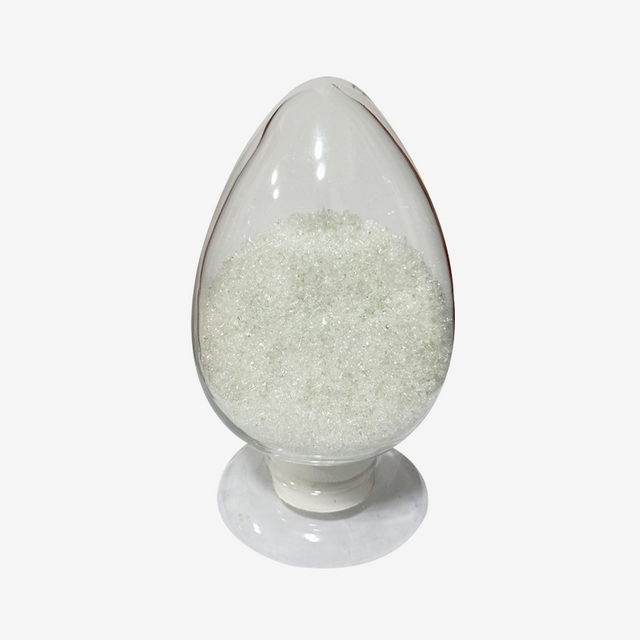
Ceramic frit is a pre-melted, quenched, and powdered glass used as a stable, insoluble ingredient within a glaze recipe.
Glaze is the complete, final suspension applied to ceramic bodies, containing frits, clays, colorants, and raw fluxes.
Frits are essential in glaze formulation for lowering melting temperatures and rendering toxic or water-soluble elements safe for handling.
Choosing between buying raw frits or pre-mixed glazes depends on production scale, technical expertise, and desired material cost controls.
Frit operates as a heavily engineered ceramic raw material. You cannot dig it directly out of the ground. Frit production involves intensive thermal processing at industrial facilities. Suppliers mix raw mineral powders, melt them in a high-temperature kiln, and rapidly quench the molten liquid. This sudden cooling happens via deep water baths or chilled steel rollers. The massive thermal shock shatters the glass into tiny fragments. Manufacturers then mill these glass shards into a fine, highly consistent powder.
The core purpose of fritting is chemical stabilization. It locks volatile, toxic, or water-soluble elements into an inert glass matrix. You can safely incorporate tricky fluxes like boron, lead, or barium into your recipes. Fritting neutralizes their dangerous properties. The hazardous elements remain trapped inside the glass structure. This prevents batch contamination and ensures extreme worker safety during the handling phase.
Glaze represents the final stage of coating preparation. You define it as the liquid suspension or dry mix ready for immediate application. A highly functional ceramic glaze material requires several integrated components working together. Frit is merely one piece of this complex puzzle.
A standard glaze requires specific building blocks to function correctly:
Glass-formers: Materials like silica build the base structure of the fired glass.
Fluxes: These lower the melting temperature of the silica. Frit often supplies the primary flux.
Refractory elements: Ingredients like alumina or kaolin clay stiffen the molten glass. They keep the coating from running off the pot.
Suspenders: Clay particles keep the heavier materials floating evenly in the water bucket.
Modifiers: Colorants and opacifiers give the fired surface its intended visual finish.
Comparing ceramic frit vs glaze highlights their distinct practical applications. You cannot typically use frit alone. It lacks the necessary clay to suspend it in water. Without clay, the heavy glass powder simply sinks to the bottom of your bucket. Furthermore, raw frit will not bind properly to unfired clay surfaces. It dusts off easily when handled. Frit acts as just one gear in a larger chemical machine.
Conversely, glaze operates as a complete, ready-to-use system. It contains all the necessary binders, suspenders, and fluxes to perform right out of the container. You just dip, spray, or brush it onto your ware. The built-in adhesives keep the dried powder securely attached to the ceramic body until firing.
Frits boast an indefinite shelf life. Their pre-melted glass structure does not degrade over time. They do not react to ambient humidity or temperature changes in your warehouse. You can store bags of dry frit for decades without losing performance.
Wet glazes present entirely different storage challenges. Over time, heavy materials in liquid suspensions settle to the bottom. They can form an immovable hard-pan layer resembling concrete. Liquid mixtures also invite severe bacterial growth. Organic gums and binders inside the bucket rot over time. This requires you to use biocides for long-term liquid storage. The rheology of wet glaze changes constantly, demanding regular maintenance.
Sourcing raw frit costs significantly less per pound at industrial volumes. However, using raw frit requires extensive in-house research. You must invest labor and time into testing formulas. You carry the burden of balancing the chemistry yourself.
Commercial pre-mixed glaze carries a much higher upfront cost. You pay a premium for the manufacturer's research and development. In return, you guarantee formulation consistency. Buying pre-mixed products eliminates your internal testing overhead. It speeds up production timelines and removes the guesswork from your workflow.
Material Property Comparison
Feature | Ceramic Frit | Prepared Glaze |
|---|---|---|
Application Readiness | Requires additional compounding and mixing | Ready to apply immediately |
Shelf-Life | Indefinite (does not degrade) | Limited (can hard-pan or spoil wet) |
Cost Dynamics | Lower material cost, high labor cost | High material cost, low labor cost |
Target User | Industrial plants, advanced chemists | Production studios, hobbyists, schools |
Crucial fluxes like boron dissolve easily in water. If you add raw borax to a wet bucket, it dissolves completely into the liquid. As the porous clay body absorbs this water during application, it pulls the dissolved boron deep into the clay itself. This ruins your carefully planned surface chemistry. The surface coating loses its primary flux. You get a dry, unmelted, and rough finish.
Fritting solves this problem instantly. It locks these soluble materials inside an insoluble glass structure. The fluxes stay safely on the surface of the ware during application. They wait there patiently until the kiln reaches melting temperature.
Handling raw toxic materials poses severe workplace hazards. Lead, barium, and zinc require strict respiratory safety protocols. Breathing raw barium dust causes severe health issues. Fritting encapsulates these dangerous elements inside a stable molecular structure. Workers can handle the resulting frit dust much more safely. The hazardous particles cannot easily interact with the human body.
Furthermore, the fritting process prevents these elements from leaching out of the final fired product. Acidic foods like tomatoes or lemons can pull raw lead out of poorly formulated dishes. Pre-melting the lead into a frit stabilizes it. This ensures your tableware meets strict FDA food safety compliance standards.
Pre-melting raw materials offers massive thermal benefits. Raw minerals contain significant amounts of chemical water and carbonates. As kilns heat up, these raw materials off-gas violently. They release carbon dioxide and steam. If this gas escapes too late in the firing cycle, it creates pinholes and blisters in your surface.
Because suppliers have already driven off these gases during the frit manufacturing process, frits melt faster and smoother. They allow the final coating to mature at a lower, highly predictable temperature. You save considerable energy during the firing cycle. Lower temperatures also reduce wear and tear on your kiln elements and refractories. Careful glaze formulation relies heavily on frits to manage the thermal profile of the kiln load.
Commercial manufacturing requires intense predictability. When making floor tiles, wall tiles, or sanitaryware, failure rates must remain near zero. This high-stakes environment demands specialized tile frit. These engineered materials ensure the surface performs consistently across thousands of identical units.
Industrial tile plants use massive roller kilns. These kilns push tiles through the firing cycle in under an hour. Raw minerals cannot melt fast enough to survive this aggressive schedule. Specialized frits melt rapidly. They flow out smoothly and heal over imperfections before the tile exits the cooling zone.
You must evaluate frits based on their Coefficient of Thermal Expansion (COE). As your fired ware cools in the kiln, both the clay body and the glass coating contract. If the coating shrinks faster than the clay, it stretches too tightly. This causes crazing. Crazing looks like a web of fine cracks across the surface.
If the coating shrinks less than the clay, it gets compressed. This causes shivering. The glass physically peels and flakes off the sharp edges of the tile. Matching the frit's COE to your specific clay body prevents these disastrous structural failures. Industrial buyers constantly monitor COE values on every batch of material.
Industrial plants face a critical business decision. Should you partner with frit manufacturers to develop custom formulas? Or should you buy standard catalog products? Standard formulations cost less and ship quickly. They work well for generic clay bodies.
However, custom frits allow you to precisely match your proprietary local clay. Many factories mine their own clay. This native clay varies wildly in thermal expansion. Developing custom frit mixtures requires upfront financial investment. You must pay for lab time and bespoke manufacturing runs. Yet, this investment drastically lowers your long-term defect rates. It ultimately protects your profit margins at scale.
High-frit formulas often settle rapidly in the bucket. Because frit is dense and non-plastic, it sinks like heavy sand. Without adequate clay or bentonite in the mixture, the solids turn into a rock-hard mass at the bottom. You cannot stir this mass back into suspension by hand.
You must balance the recipe mechanically. Incorporating 10 to 15 percent kaolin or ball clay keeps the heavy glass particles suspended in the water. Some factories also add cellulose gums (CMC) or Epsom salts. These additives change the electrical charge of the water. They force the particles to repel each other, keeping the liquid smooth and workable.
Poorly matched materials create massive technical debt. If you ignore the expansion rate of your base frit, your products will fail in the field. Kitchen ovens, commercial dishwashers, and freezing winter weather expose ceramics to severe thermal shock. A surface under too much tension will eventually shatter.
You cannot fix a COE mismatch by changing your firing schedule. The chemistry dictates the physical properties. Always calculate your COE mathematically before committing to a large production run. Use laboratory autoclave testing to simulate years of thermal stress in just a few hours.
Raw material variations occur even with highly engineered products. A new pallet of frit might behave slightly differently than the last one. The supplier may have changed their base silica source. Standardize your batch testing protocols. Never assume the new bag perfectly matches the old bag.
Follow these best practices to manage lot variations effectively:
Always request an updated Technical Data Sheet (TDS) for every new shipment.
Sieve your dry materials through an 80-mesh screen to prevent unmixed clumps.
Fire physical test tiles for every new raw material lot before mixing large batches.
Measure the specific gravity and viscosity of your wet buckets daily.
Frit serves as the engineered engine of your surface coating. The glaze acts as the final vehicle that delivers the finish. Understanding their relationship empowers much better production strategies. Frit handles the heavy lifting of chemical stability and thermal predictability. Glaze provides the application mechanics and final aesthetic qualities.
If you operate a small production studio prioritizing ease, repeatability, and time, invest in commercial pre-mixed products. The time saved outweighs the higher material cost. If you are scaling manufacturing, aiming for bespoke finishes, or managing industrial tile output, mastering chemistry becomes mandatory. Building your own recipes with specific frits guarantees tight cost-efficiency and exact quality control.
Review your current production bottlenecks today. If you struggle with chemical consistency, request technical data sheets for targeted frits from reliable suppliers. Alternatively, order small test batches of commercial mixtures. Run these new samples through your specific kiln firing cycles. Physical testing provides the ultimate proof of material performance.
A: Generally, no. Without clay, powdered frit will not suspend in water. It sinks instantly. It will also dust off the ceramic body before firing because it lacks binders. Furthermore, it tends to run completely off the pot during firing. It lacks the necessary alumina to stiffen the melt at high temperatures.
A: No. High-fire glazes (Cone 10) often rely entirely on raw minerals like feldspar and whiting. The kiln reaches temperatures high enough to melt these raw stones naturally. Low-fire and mid-fire glazes almost always require pre-melted frits to mature properly at cooler temperatures.
A: Base your decision on your target firing temperature. You must also consider the specific fluxes required for your chemistry, such as high boron versus high calcium. Finally, ensure the frit's thermal expansion rate (COE) matches your specific clay body closely. This prevents cracking and shivering.