Views: 0 Author: Site Editor Publish Time: 2026-02-25 Origin: Site
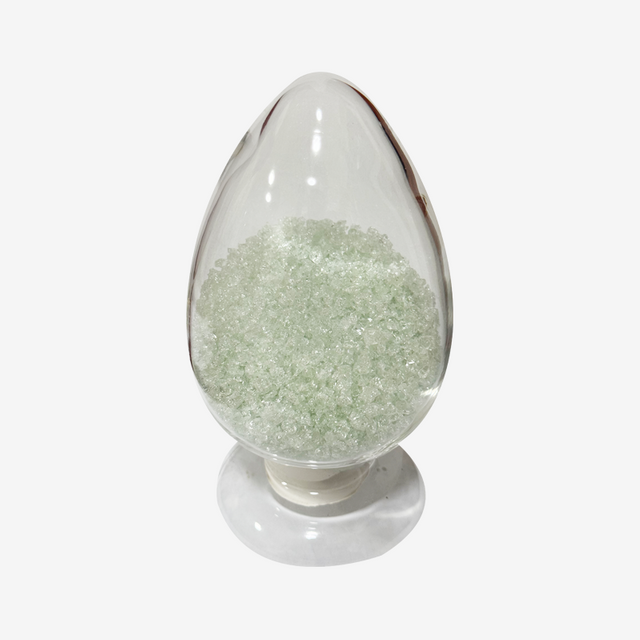
Ceramic Tile Frit is an essential material in the production of ceramic tiles, playing a pivotal role in the glazing process. It is a pre-melted glass powder that, when combined with other materials, creates the surface coating for ceramic tiles. This coating provides aesthetic qualities such as gloss, smoothness, and color vibrancy, as well as functional properties like durability, wear resistance, and resistance to chemicals. Whether for architectural or household ceramics, Ceramic Tile Frit enhances the overall quality and longevity of the tiles.
In this article, we will guide you through the step-by-step application process of Ceramic Tile Frit, from preparation and mixing to firing and finishing. By understanding these steps, manufacturers can optimize their production processes, ensuring high-quality, durable tiles that meet aesthetic and functional standards.
Ceramic Tile Frit is a type of pre-melted glass material, made by fusing raw materials and then cooling them rapidly to create a glass-like powder. This frit is mixed with other materials to form ceramic glazes, which are applied to the surface of ceramic tiles. It helps achieve the desired surface finish, such as gloss, matte, or textured effects, and plays a crucial role in improving tile durability, chemical resistance, and scratch resistance.
The primary role of Ceramic Tile Frit in the ceramic manufacturing process is to control the melting behavior of glazes, ensuring a uniform and smooth finish that adheres well to the ceramic substrate. It also influences the final appearance of the tile by enhancing color depth and vibrancy.
Before beginning the application of Ceramic Tile Frit, it is important to gather all necessary materials and tools. These include:
Ceramic Tile Frit (the specific type based on the desired finish)
Water or other solvents (if needed)
Mixing tools (e.g., a mixing container, stirrers)
Additives such as binders or fluxes, if required
Clean ceramic tiles to be coated
Using high-quality Ceramic Tile Frit is essential for achieving a consistent and smooth glaze. Ensure that the frit is sourced from a reputable supplier to maintain quality control throughout the production process.
Proper surface preparation is key to achieving strong adhesion and a flawless finish when applying Ceramic Tile Frit. This step includes:
Cleaning the tiles: The tile surface should be free of dust, oils, and other contaminants that can interfere with frit adhesion.
Sanding or smoothing the surface: If necessary, lightly sand the tile to remove any rough patches or imperfections. This ensures the frit adheres evenly across the surface.
Drying: Ensure the tiles are completely dry before applying the frit. Any moisture can affect the frit’s adhesion.
There are different types of Ceramic Tile Frit available, each designed for specific applications and desired finishes. Selecting the right frit depends on several factors:
Type of tile (e.g., wall tiles, floor tiles, decorative tiles)
Desired finish (glossy, matte, or textured)
Firing temperature (whether high or low-temperature firing is required)
Some common types of frit include:
Glossy Frit: Used to create a high-gloss surface for decorative tiles.
Matte Frit: Used for a smooth, non-reflective finish.
High-Temperature Frit: Used for tiles that need to withstand higher firing temperatures.
Once the appropriate Ceramic Tile Frit has been chosen, the next step is mixing it with other materials to create the glaze. This often involves adding a binder to help the frit adhere to the ceramic surface, as well as solvents to adjust the consistency.
Ingredient | Recommended Ratio |
Ceramic Tile Frit | 60-70% by weight |
Water/Solvent | 30-40% by weight |
Binder | 5-10% by weight |
It’s essential to mix the frit and other ingredients thoroughly to achieve a smooth, lump-free consistency. The mixture should be fluid but not too runny, as a thicker mixture can cause uneven application or buildup on the tiles.
To ensure a uniform frit mixture, use an electric mixer or mechanical stirrer to combine the frit and liquid components. Mixing should continue until the glaze achieves a smooth, paste-like consistency. Regularly check for lumps or unevenness in the mixture, as these can affect the final tile coating.

There are several methods for applying Ceramic Tile Frit to tiles, and each has its advantages depending on the tile type and desired finish. The most common application methods include:
Spraying: The frit is applied evenly over the tile using a spray gun. This method is efficient for covering large areas quickly and is often used for floor tiles or larger batches of tiles.
Dipping: Tiles are dipped into a frit solution, which ensures an even coating on all surfaces. This method is commonly used for tiles with intricate designs or those requiring uniform thickness.
Brushing: The frit is applied using a brush, making it ideal for more detailed or small-batch work. Brushing gives the manufacturer greater control over the application process.
Each method requires careful technique to ensure an even, smooth frit layer. For spraying and dipping, it's crucial to maintain consistent pressure or immersion time to avoid drips, runs, or uneven coverage.
The thickness of the frit coating is critical in determining the final appearance and performance of the tile. Depending on the desired surface effect, manufacturers must control the thickness of the frit layer. For a smooth, glossy finish, a thinner layer is ideal, while a thicker coating may be used for a more textured or matte appearance.
Ensure that the frit layer is applied evenly, as inconsistent thickness can lead to defects like bubbling or cracking during firing.
After applying the frit, it is essential to allow the tiles to dry completely before firing. The drying process ensures that the frit adheres properly and reduces the risk of blisters or defects during the firing stage.
Drying Techniques: Tiles can be air-dried, or in some cases, placed in a drying oven to accelerate the process. Ensure the drying environment is free from dust and contaminants that could affect the frit surface.
The final step in applying Ceramic Tile Frit is firing the tiles in a kiln. The firing temperature must be carefully controlled based on the type of frit used.
Firing Temperature: The firing temperature for frit-coated tiles typically ranges between 1000°C and 1300°C. The exact temperature depends on the frit type and the ceramic body being used.
Firing Time: The firing process should be gradual to allow the frit to melt and bond to the ceramic tile, forming a durable, smooth surface. The firing time will vary depending on the size and type of tile.
After firing, the tiles should be inspected for quality control. Look for:
Uniform coverage: Ensure the frit is evenly applied and has melted smoothly across the surface.
Color Consistency: Check that the color of the frit matches the desired outcome, with no streaks or discoloration.
To achieve the desired gloss or matte finish, tiles may need to be polished or treated post-firing. For high-gloss tiles, a polishing machine can be used to buff the surface. For matte finishes, no additional steps may be needed.
The application of Ceramic Tile Frit is a crucial step in the ceramic tile production process, directly impacting both the aesthetic and functional qualities of the finished product. By carefully following the right application steps — including proper surface preparation, frit mixing, firing, and finishing — manufacturers can achieve high-quality and durable tiles. Selecting the appropriate frit and applying it correctly can significantly enhance tile performance, offering improved durability, chemical resistance, and visual appeal.
At Chuangxiang Laser Technology Co., Ltd., we specialize in providing premium Ceramic Tile Frit solutions tailored to meet the unique needs of our clients. With our expertise and high-quality frit products, we help manufacturers optimize their production process, ensuring tiles that meet the highest standards of quality and longevity. If you are looking for reliable frit solutions to elevate your ceramic tile production, we invite you to get in touch with us for more information. Our team is ready to assist you in selecting the perfect frit for your needs and ensuring the best possible outcomes for your products.
Choosing the right frit depends on the type of tile being produced, the desired finish, and the firing conditions. For glossy finishes, select a frit with high-gloss properties. For tiles exposed to high wear or environmental stress, choose a frit that enhances durability and chemical resistance.
While hand application methods such as brushing are effective for small projects or detailed work, spraying and dipping are the most efficient methods for large-scale production, ensuring even coverage and minimizing wastage.
The firing temperature for frit-coated tiles typically ranges between 1000°C and 1300°C. Always refer to the specific frit manufacturer’s guidelines for exact temperature recommendations.
Allow the frit-coated tiles to air-dry thoroughly, typically for several hours or until they are completely dry to the touch. This ensures proper adhesion and prevents defects during the firing process.
Many modern Ceramic Tile Frit formulations are designed to be environmentally friendly, using low-lead or lead-free compositions that comply with international environmental standards.