Views: 0 Author: Site Editor Publish Time: 2025-12-24 Origin: Site
Are you choosing the right Ceramic Tile Frit for your tiles? The frit you select can make or break the tile’s durability, appearance, and overall performance.
In this article, we’ll guide you through the key factors to consider when buying Ceramic Tile Frit. You’ll learn what to look for in terms of finish, resistance, and functionality to ensure your tiles meet both aesthetic and practical needs.
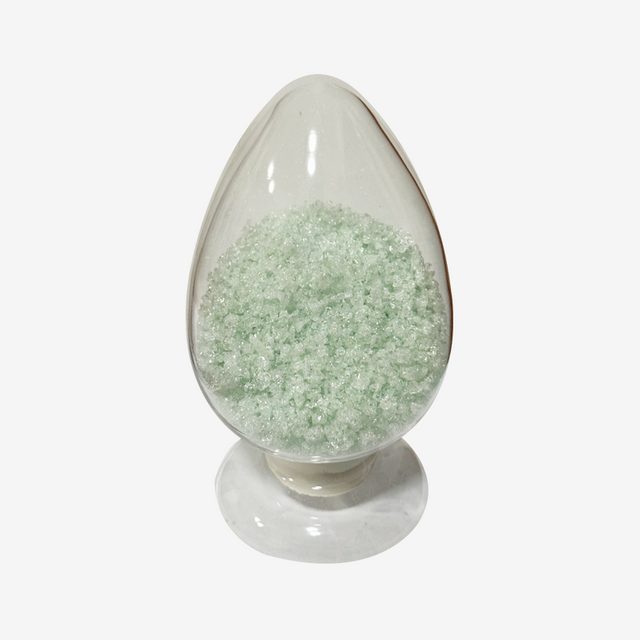
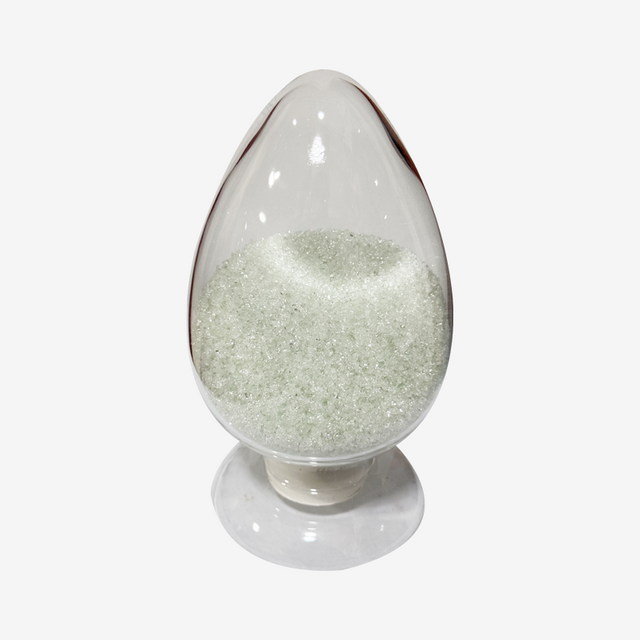
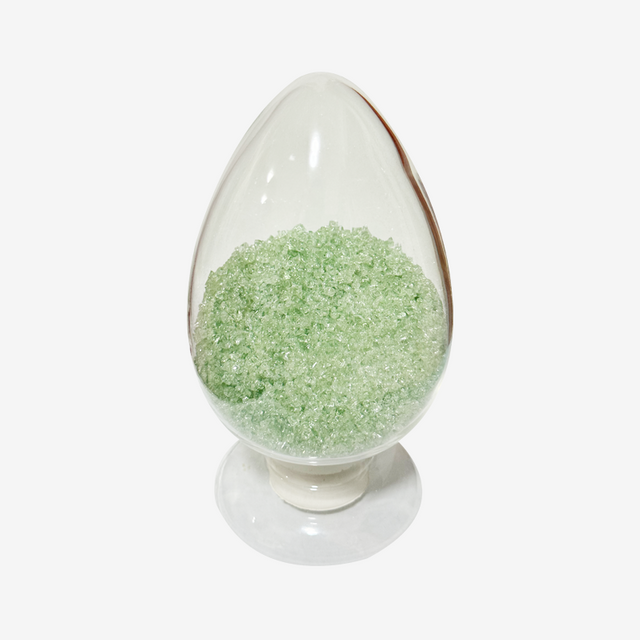
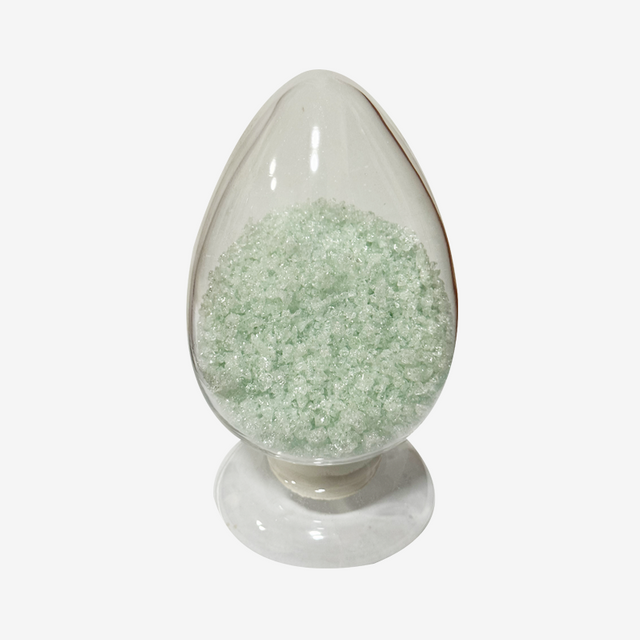
Ceramic Tile Frit is a specially formulated glass-like material used as a base for glazes in ceramic tile manufacturing. It is made by melting a mixture of raw materials such as silica, alumina, and fluxes, which are then cooled and ground into fine powder. This powder is applied to ceramic tiles during the firing process, resulting in a smooth, durable, and often glossy surface that improves the tile’s aesthetic appeal and resistance to damage.
Frits are typically made with varying levels of silica, boron, and alumina to create different properties, such as resistance to heat, moisture, and scratches. This flexibility makes frit a highly versatile material in tile production, as it can be tailored to meet different needs based on the tile’s intended use.
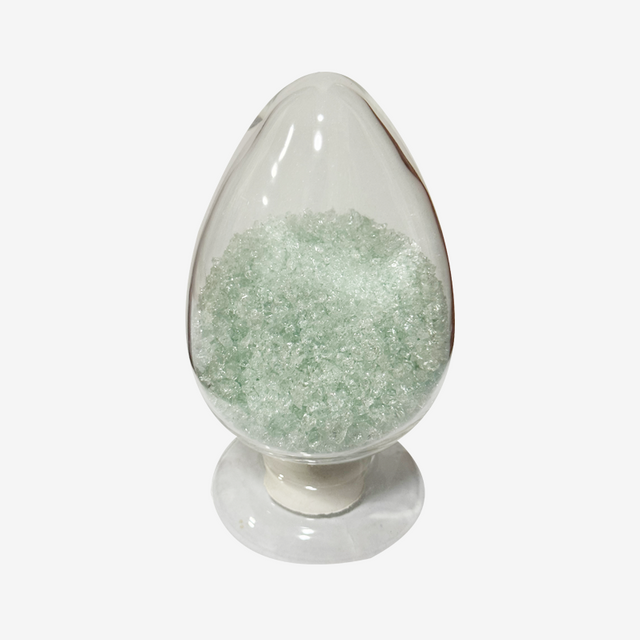
The process of applying Ceramic Tile Frit involves mixing the frit powder with water and other additives to form a slurry. This slurry is then applied to ceramic tiles, where it melts during the firing process, bonding to the tile surface to create a solid, uniform coating. This coating not only enhances the tile’s appearance but also significantly increases its resistance to various forms of wear, such as abrasion, stains, and heat.
Once the frit has cooled and hardened, it creates a protective layer over the tile. This layer can be glossy or matte depending on the type of frit used, making it an important consideration for manufacturers seeking to achieve specific looks or performance attributes.
One of the first things to consider when purchasing Ceramic Tile Frit is the type of finish you want to achieve. The frit can be tailored to produce various finishes, from glossy to matte, depending on your design needs. Each finish has its unique benefits:
Type of Finish | Characteristics | Common Uses |
Glossy Finish | Shiny and reflective surface, ideal for bright spaces. | Common in modern kitchens and bathrooms. |
Matte Finish | Non-reflective and subdued finish. | Ideal for living rooms and bedrooms. |
Textured Finish | Adds surface depth and patterns, creates a unique effect. | Perfect for custom designs and statement floors. |
Tip: When selecting frit, always consider how the finish will complement your space’s lighting and design style.
Ceramic Tile Frit plays a significant role in enhancing the durability of tiles. Frits are selected for their ability to resist various forms of damage, including scratches, stains, and heat. When choosing frit, consider the following factors:
● Scratch Resistance: The frit should provide a hard, durable surface that prevents the tile from showing scratches or other signs of wear over time.
● Stain Resistance: A good frit will create a barrier that prevents liquids, oils, and dirt from seeping into the tile surface, making it easier to clean and maintain.
● Heat Resistance: Tiles exposed to high temperatures, such as those near fireplaces or in industrial settings, require a frit with excellent heat resistance properties.
Tip: For tiles in high-traffic areas or exposed to moisture, look for frits with enhanced resistance to both physical and environmental factors.
Tiles used in bathrooms, kitchens, or outdoor areas need to have superior resistance to heat and moisture. Ceramic Tile Frit can significantly improve the performance of tiles in these conditions. Frits designed for high-moisture environments ensure that the tile’s surface remains intact and free from mold or mildew. Similarly, frits designed for heat resistance are essential for tiles in high-temperature settings, preventing warping or fading.
● Moisture Resistance: Frit that repels moisture is essential for tiles used in wet areas, like showers and pool surrounds.
● Thermal Stability: Choose frits that can handle high-temperature variations without losing their aesthetic qualities or becoming damaged.
Tip: For kitchens or bathrooms, select Ceramic Tile Frit that ensures durability under humid and heat-exposed conditions.
The aesthetic appeal of tiles often hinges on the Ceramic Tile Frit used. Frit allows for a wide range of design possibilities, from subtle matte finishes to vibrant, glossy colors. When choosing frit, consider how it will fit into your overall design plan:
● Vibrant Colors: If you are aiming for bold, colorful tiles, select frit that can deliver consistent color and a glossy finish.
● Unique Textures: For more elaborate designs, textured frits can create depth and interest, making the tiles stand out in a space.
Tip: Ensure the frit you select aligns with your desired tile design. Consider how its finish and color will complement other materials and decor in the room.
One of the primary reasons for using Ceramic Tile Frit is to improve tile durability. The frit coating enhances the tile’s resistance to physical damage, such as scratches, stains, and abrasions. Tiles with frit coatings are ideal for high-traffic areas like commercial spaces, hallways, and kitchens, as they can withstand constant use without showing significant wear.
Benefit | How Ceramic Tile Frit Contributes |
Scratch Resistance | Improves surface hardness, preventing surface damage. |
Stain Resistance | Prevents liquids and oils from penetrating the surface. |
Heat Resistance | Allows tiles to withstand high temperatures without damage. |
Enhanced Durability | Extends the lifespan and toughness of tiles. |
In addition to improving durability, Ceramic Tile Frit enhances the visual appeal of tiles. The frit’s finish can create a glossy, sophisticated surface or a more rustic matte look, depending on the desired style. This versatility in finishes makes frit a crucial element in achieving the perfect look for any tile installation.
The versatility of Ceramic Tile Frit allows manufacturers to create a wide range of designs. Whether you are looking for bold, vibrant colors or subtle, elegant textures, frit gives designers the freedom to produce tiles that meet specific aesthetic and functional needs. Frit also plays a role in creating decorative tiles with intricate patterns and textures, providing endless possibilities for customization.
When selecting Ceramic Tile Frit, price is an important consideration, but it should not be the only factor. Choosing frit based solely on price may result in compromised quality. It is essential to balance cost with performance, durability, and design needs to ensure that you get the best value for your investment.
It is easy to focus on the visual appeal of the frit, but functionality should never be overlooked. The frit must not only look good but also perform well in terms of heat resistance, moisture resistance, and durability. Always ensure the frit is suitable for the specific application.
While aesthetics are important, performance should not be sacrificed. Choosing a frit based solely on how it looks, without considering its functional properties, could lead to tiles that fail to meet performance expectations. Ensure that the frit you choose balances both aesthetic appeal and durability.
Tip: Focus on selecting frit that meets both the aesthetic and functional needs of your space for the best long-term results.
To ensure Ceramic Tile Frit will perform as expected, durability testing is essential. Assess the frit’s resistance to scratches, stains, and heat by performing basic tests on small samples. This will give you an idea of how well the frit will hold up under everyday use.
A key feature of frit is its ability to create a smooth and glossy surface. To check the quality of the frit, evaluate its glossiness and smoothness after firing. Any inconsistencies in finish can affect the overall appearance of the tiles.
For decorative tiles, consistency in color and texture is crucial. Ensure that the frit produces uniform results across the tiles, especially when used in large-scale or custom designs. This helps maintain the overall design integrity and ensures a high-quality final product.
With growing environmental awareness, many manufacturers are developing eco-friendly Ceramic Tile Frit that uses sustainable raw materials. These eco-friendly frits reduce the environmental impact of tile production while offering the same durability and aesthetic qualities.
Innovation in frit technology has led to the development of smart frits. These frits have added properties, such as self-cleaning capabilities or antimicrobial features, making them ideal for spaces where hygiene is crucial, such as hospitals or commercial kitchens.
Ceramic Tile Frit is a crucial material in tile production, impacting both aesthetics and durability. When buying frit, it's important to consider finish, resistance, and performance. High-quality frit enhances tiles’ functionality and appearance. Companies like Chuangxiang Laser Technology Co., Ltd. offer premium frits that deliver long-lasting, visually appealing tiles with excellent durability.
A: Ceramic Tile Frit is a glass-like material used to create the surface coating on ceramic tiles. It improves the tile's appearance, durability, and resistance to heat, stains, and scratches.
A: When selecting Ceramic Tile Frit, consider factors like the desired finish (glossy, matte), durability requirements, and the tile’s application in high-traffic or wet areas.
A: Ceramic Tile Frit enhances the visual appeal and performance of tiles. It provides a protective coating that improves resistance to wear, heat, moisture, and stains.
A: Look for Ceramic Tile Frit that offers high resistance to scratches, stains, and heat. Frits designed for high-traffic or wet areas should also provide superior moisture resistance.
A: The cost of Ceramic Tile Frit depends on factors such as quality, type, and application. Higher-quality frits with enhanced properties like heat resistance may cost more, but they provide better long-term value.