Views: 0 Author: Site Editor Publish Time: 2026-10-19 Origin: Site
Receiving "eco-friendly" ceramics carries inherent compliance and quality risks for modern supply chains. Marketing claims about sustainability never guarantee structural integrity or chemical safety upon delivery. You must verify these factors before accepting a shipping container. Inconsistent kiln temperatures or poor material substitution can ruin entire ceramic shipments. For example, replacing toxic lead with unstable fluxes often causes micro-cracking, crazing, or dangerous leaching. These specific defects render your entire batch completely unsellable and legally risky. We wrote this guide to provide you an objective framework for evaluation. You will learn how to execute a proper ceramic glaze quality inspection on inbound logistics. Quality assurance teams, supply chain managers, and importers can use these practical strategies before signing off on final payments.
Validating eco-friendly claims requires a dual approach: confirming lab certifications (FDA/ANSI) and executing randomized on-site chemical swab tests.
Physical defects in eco-friendly glazes (crazing, pinholing) often stem from mismatched thermal expansion coefficients between the clay body and the lead-free ceramic frit.
Implementing strict AQL (Acceptable Quality Limit) sampling for incoming logistics prevents isolated transit damage from being misdiagnosed as systemic manufacturing defects.
A clear "Accept/Reject/Rework" threshold protects brand reputation and avoids costly downstream product recalls.
"Eco-friendly" is primarily a marketing term today. Importers need measurable compliance data instead of vague promises. You risk importing non-compliant goods if you lack objective baselines. Such oversights often violate local regulations like California Proposition 65 or federal FDA guidelines. We must translate sustainability claims into hard metrics.
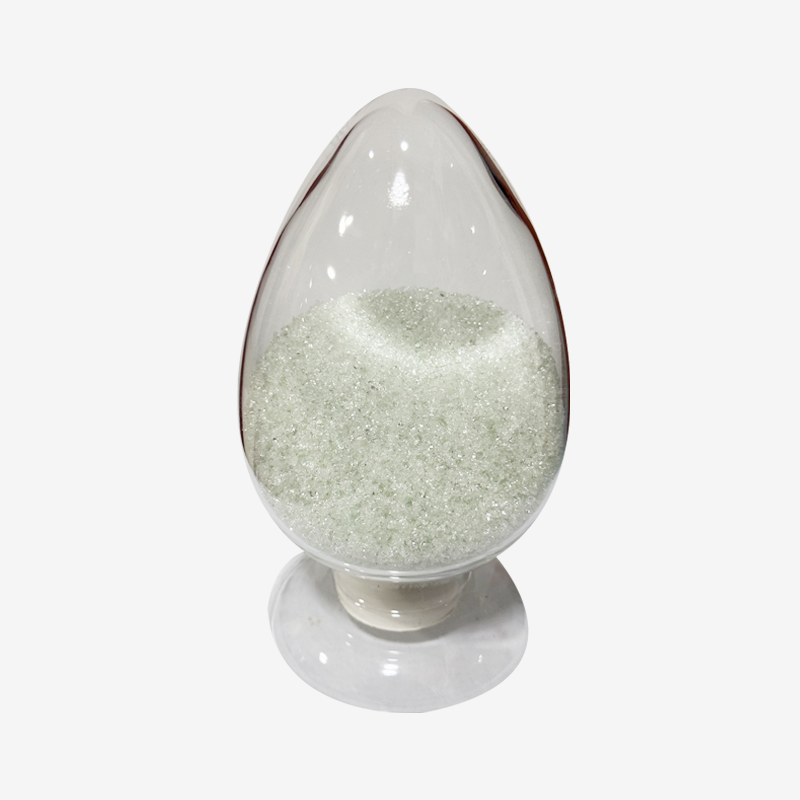
You should evaluate incoming shipments through three verifiable lenses. First, check heavy metal limits. The factory must ensure an absolute absence of lead, cadmium, and barium. Second, analyze the material composition itself. High-quality factories use highly stable ceramic frit. This pre-melted glass compound safely locks in colorants without requiring toxic fluxes. Third, review the manufacturing footprint. You want evidence of low-temperature firing for energy savings. However, this lower temperature must never compromise the final surface hardness.
Buyers face significant risks during the receiving process. You cannot accept a shipment based solely on supplier promises. Always match incoming batch documentation against pre-approved lab testing certificates. Factories sometimes switch materials after sending the initial golden sample. Establishing strict baseline parameters prevents these unauthorized substitutions from reaching your inventory.
You must establish solid groundwork before opening any boxes. Every inspection requires proper randomization to remain statistically significant. Proper preparation saves time and reduces false rejection rates.
Start by verifying all incoming documentation. We recommend a strict chronological review process.
Cross-reference carton batch numbers against your purchase orders.
Match these batch numbers to official ANSI, FDA, or ISO compliance certificates.
Ensure the factory provided certificates prior to the actual shipment date.
Verify all independent third-party lab test reports.
Confirm these lab reports apply to the current production run. Never accept historical data.
Next, deploy a robust sampling strategy based on ISO 2859-1 standards. You must define the Acceptable Quality Limit (AQL) for critical, major, and minor defects. A standard industry baseline often uses Critical 0%, Major 1.5%, and Minor 4.0%. You cannot inspect only the cartons near the container doors. Select random cartons from different sections. Pull boxes from the front, middle, and back of the container. This method accounts for transit-related temperature and humidity variations. Moisture often accumulates near the container doors during ocean transit.
On-site physical tests serve as your frontline defense against poor manufacturing. Eco-friendly formulations are notoriously difficult to master. Factories lacking specialized expertise often produce higher rates of physical defects. Your inspection team must rigorously test the mechanical properties of each pulled sample.
Inspect the pieces closely for pinholing and blistering. These defects look like tiny craters on the surface. They occur when escaping gases rupture the surface during firing. Pinholing severely compromises food safety. These microscopic craters harbor dangerous bacteria over time. Reject any tableware exhibiting these specific surface craters.
You must also assess color consistency across the entire batch. Compare random samples directly against your pre-approved golden sample. Lead-free formulations remain highly sensitive to kiln temperature variations. Even a minor temperature shift causes significant batch-tobatch color drift. Ensure the color variance stays within your acceptable commercial tolerance.
Look carefully for crazing across the ceramic glaze. Crazing appears as a fine network of hairline cracks. It indicates a poor physical fit between the surface layer and the underlying clay body. This tension usually stems from mismatched thermal expansion coefficients.
Perform a standardized thermal shock test to uncover hidden weaknesses. Submerge the ceramic samples in boiling water for several minutes. Immediately transfer them into a bucket of ice water. Inspect the pieces for delayed crazing or surface flaking. Quality eco-friendly ceramics should withstand this sudden temperature change without cracking.
Finally, conduct a basic adhesion test. Subject the pieces to standard impact tests using a specialized pendulum hammer. Ensure the surface does not chip excessively around the rim or base. Excessive chipping indicates improper firing temperatures or weak binder integration.
Common Defect Identifiers in Ceramic Tableware
Defect Type | Visual Characteristics | Common Root Causes |
|---|---|---|
Pinholing | Tiny craters or microscopic holes | Trapped gases escaping during firing process |
Crazing | Fine network of hairline cracks | Mismatched thermal expansion coefficients |
Blistering | Raised bubbles on the surface | Over-firing or incompatible chemical mixtures |
Color Drift | Uneven shades or dull finish | Inconsistent kiln temperature control |
Visual perfection does not guarantee chemical safety. You must maintain a strict security and compliance focus during receiving. Eco-friendly marketing claims mean nothing if the product leaches heavy metals into food.
Implement rapid swab testing on the warehouse floor. Use commercial lead and cadmium testing swabs as a preliminary check. Apply these swabs to a diverse sample set of the incoming batch. Focus your testing on heavily decorated areas and colored rims. Pay special attention to interior bases where acidic foods would naturally rest. The swab will typically change color if it detects dangerous heavy metal residues.
You must also understand leaching vulnerabilities in the context of ASTM C738 standards. Factories might use completely safe materials initially. However, under-firing leaves the final chemical structure highly unstable. The surface will degrade rapidly when exposed to acidic foods like tomatoes or citrus. If your on-site swab tests show ambiguous results, take immediate action. Quarantine the entire batch immediately. Send representative samples to an accredited laboratory. Request a 24-hour acetic acid leaching test before releasing any goods into your active inventory.
Effective operational scrutiny requires distinguishing between factory defects and logistics failures. You must determine if the product broke during manufacturing or during ocean transit.
Start by evaluating packaging integrity and drop testing results. Inspect the master cartons for corner crush or severe moisture damage. Look for compromised structural integrity along the taped seams. If the factory did not provide ISTA drop test reports, perform a standard carton drop test yourself. Drop the master carton on its corners, edges, and flat faces. Open the box to ensure the internal dividers prevented breakage.
Next, check the products for vibration damage. Ceramics can rub against each other due to insufficient cardboard separators. Eco-friendly, low-fire pieces can sometimes be softer than traditional high-fire porcelain. This softness makes them more prone to transit abrasion. Look for dull spots or deep scuffing marks on the sides of the plates or mugs. Insist on thicker corrugated dividers if you notice consistent vibration damage.
Inspection data holds no value unless you act on it decisively. You need logical rules for the decision stage. Your team must know exactly how to handle the findings gathered during the evaluation.
We utilize a simple, three-tiered action matrix for inbound logistics:
Accept: The shipment meets all predefined AQL thresholds. The batch documentation aligns perfectly. All chemical swab tests return negative results. You can proceed to move the goods into inventory.
Hold or Quarantine: The minor physical defects exceed your AQL limits. Perhaps the shipment arrived missing critical documentation. You must initiate supplier communication immediately. Negotiate for partial credit or hold the goods pending further independent lab testing.
Reject: The team found critical defects. This includes positive lead swabs or severe crazing compromising food safety. You must halt final payment immediately. Initiate your formal return or destruction protocols to protect your consumers.
Always close the feedback loop. Document all findings using high-resolution photos and detailed written reports. Share these reports directly with your factory partners. Use this data to improve future supplier evaluations. Continually refine your internal buyer's quality manual based on these real-world findings.
Conclusion
A rigorous inspection process protects your brand equity and ensures consumer safety. You cannot rely on marketing terminology when receiving inbound goods. Verifying eco-friendly claims requires shifting from passive trust to active, evidence-based verification. You must combine strict documentation reviews with methodical physical stress tests. On-site chemical tests provide the final layer of necessary security. Implement these standardized steps upon receipt to eliminate non-compliant ceramics before they reach your retail shelves.
A: Food safety requires checking both chemical stability and physical integrity. Use rapid swab kits or send samples for acetic acid lab testing to ensure no heavy metals leach out. Physically inspect the pieces for pinholes or crazing, as these defects create breeding grounds for dangerous bacteria.
A: Frit is pre-melted glass used in the mixture. High-quality, lead-free frit stabilizes colors and significantly reduces toxicity. Inspecting the final surface finish helps determine if the factory used the correct, fully integrated material or an unstable, cheaper substitute.
A: Removing traditional toxic fluxes like lead changes the thermal expansion rate of the mixture. If the factory does not perfectly match the new eco-formula to the underlying clay body, tension builds up. This tension causes micro-cracking, known as crazing, as the piece cools.
A: While tolerances vary by brand, a standard baseline for ceramics is typically Critical: 0, Major: 1.5 to 2.5, and Minor: 4.0. Any toxic chemical presence or severe functional defect results in an automatic critical failure.