Views: 0 Author: Site Editor Publish Time: 2025-12-22 Origin: Site
Have you ever wondered what makes your tiles glossy and durable? The secret often lies in a material called Tile Frit. It's a vital component in the manufacturing process, giving tiles their unique texture and performance.
In this article, we'll dive into what Tile Frit is, how it's used in tile production, and why it's so important. You’ll discover its various applications, from enhancing durability to improving aesthetics.
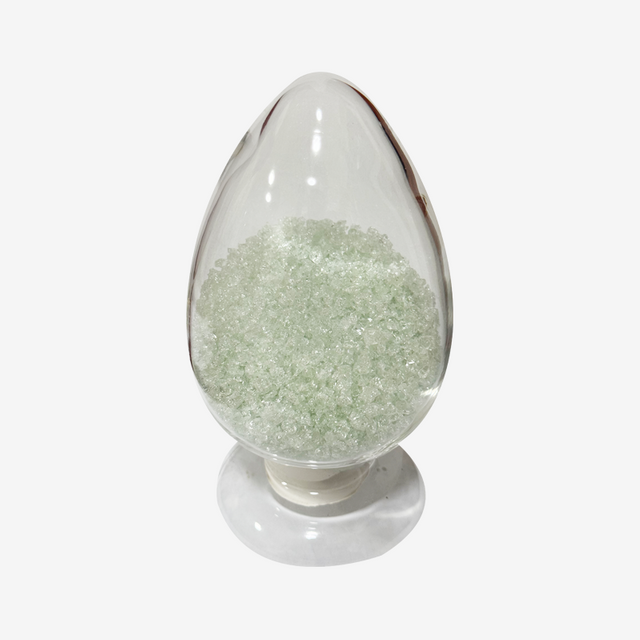
Tile Frit is a key component in the manufacturing of ceramic tiles, often used as a glaze material. It is typically a glass-like material made by melting a mixture of raw materials, which are then cooled and ground into a fine powder. This powder is then applied to ceramic surfaces during the firing process to form a smooth, durable, and aesthetically pleasing finish.
Tile Frit serves as a base for creating glazes, which are essential for giving tiles their glossy and protective surfaces. It enhances the durability and aesthetic appeal of the tile by providing a smooth, uniform surface that is resistant to water, stains, and scratches. The frit also helps to improve the adherence of the glaze to the tile, ensuring a long-lasting bond.
Tile Frit comes in various types depending on the desired finish and functionality. Some of the most common types include opaque, transparent, and matte frits. These frits serve different purposes, offering manufacturers flexibility in their tile production process.
Type of Tile Frit | Characteristics | Common Uses |
Opaque Frit | Creates solid, non-transparent finishes. | Used in tiles with a matte look. |
Transparent Frit | Provides a glossy, clear finish resembling glass. | Common in high-end decorative tiles. |
Matte Frit | Offers a non-glossy, subdued finish. | Ideal for subtle and elegant designs. |
Each type of frit has its specific applications and contributes differently to the final product's appearance and functionality.
Tile Frit plays a critical role in enhancing both the functionality and aesthetic appeal of ceramic tiles. Its versatility allows it to be used in a wide range of applications, from creating durable glazes to adding intricate decorative finishes. In this section, we'll explore how Tile Frit is used in various aspects of tile production, including its importance in ceramic glazes, its contribution to decorative designs, and its role in modern digital printing technologies. These applications ensure that tiles are not only durable but also visually appealing and adaptable to diverse design needs.
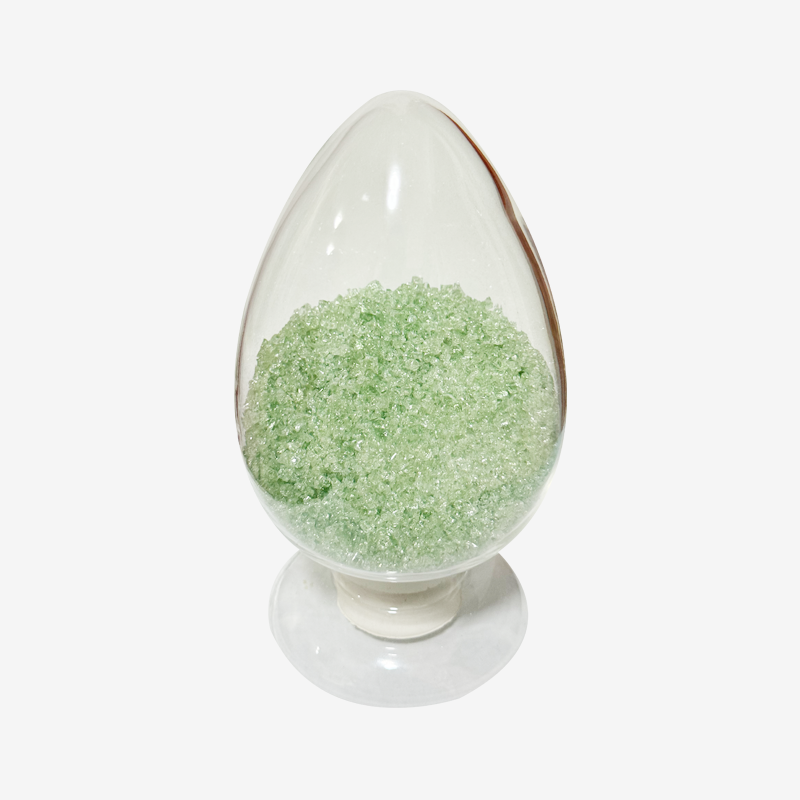
The most common use of Tile Frit is in creating ceramic glazes. By mixing frit with other raw materials, manufacturers can create a range of finishes, from glossy to matte, and enhance the tile’s resistance to heat and moisture. This is particularly important in tiles used in kitchens and bathrooms, where durability and water resistance are crucial.
Tile Frit is also widely used in decorative tile finishes. When applied as a glaze, it can create beautiful designs and textures, adding to the aesthetic appeal of the tiles. The frit can be used to create vibrant colors, complex patterns, and unique textures, which are essential for high-end, custom tile designs.
In modern tile production, Tile Frit is used in conjunction with digital printing technologies. Frit serves as the base for printed designs on tiles, which are then baked into the surface during the firing process. This ensures that the printed design is durable, permanent, and resistant to wear and tear. This process is ideal for large-scale and custom tile designs, providing manufacturers with a versatile and efficient solution for modern tile production.
Tile Frit is not only essential for the aesthetic qualities of tiles but also plays a critical role in enhancing their performance. By improving key properties such as durability, thermal resistance, and strength, Tile Frit ensures that tiles maintain their appearance and functionality over time, even in demanding environments. In this section, we'll explore how Tile Frit contributes to increased durability, improved heat resistance, and enhanced strength in tiles, making them a valuable component in both residential and commercial spaces.
Tile Frit significantly enhances the durability of ceramic tiles. By improving their resistance to scratches, stains, and impacts, tiles coated with frit are better suited for high-traffic areas. Whether in homes, offices, or commercial spaces, tiles treated with frit maintain their appearance and functionality over time. This makes Tile Frit a key ingredient in creating long-lasting and functional tiles.
Benefit | How Tile Frit Contributes |
Scratch Resistance | Improves surface hardness, preventing surface damage. |
Stain Resistance | Creates a barrier against stains and discoloration. |
Heat Resistance | Enhances tiles' ability to withstand high temperatures. |
Enhanced Durability | Increases the overall lifespan and toughness of tiles. |
Tiles with Tile Frit coatings can better withstand high temperatures, making them ideal for areas exposed to heat, such as kitchens, fireplaces, and industrial settings. The thermal properties of frit-coated tiles improve their heat retention and insulation, contributing to energy efficiency. This makes tiles with frit a sustainable choice for both residential and commercial spaces.
Tiles made with Tile Frit are stronger and more resistant to breaking. The frit helps bind the tile's materials together, ensuring a solid and durable structure. This added strength is particularly important in high-impact environments, such as commercial buildings, outdoor spaces, and areas with heavy foot traffic. Tiles with frit coatings offer a longer lifespan and better resistance to physical damage.
Tile Frit plays a role in sustainable tile production. Made from natural raw materials, it helps reduce the carbon footprint of tile manufacturing. Additionally, the durability of tiles treated with frit reduces the need for frequent replacements, resulting in less waste. As sustainability becomes a growing concern, Tile Frit offers a more eco-friendly solution for tile manufacturers.
The use of Tile Frit also contributes to reducing waste in tile manufacturing. By utilizing by-products from other manufacturing processes, Tile Frit helps create a more sustainable production cycle. Furthermore, the longevity and durability provided by frit coatings reduce the frequency of tile replacements, leading to less waste and a more efficient use of resources.
Tile Frit technology continues to evolve, with manufacturers constantly developing new formulations that offer improved performance. Advances in frit technology have led to more durable, scratch-resistant, and aesthetically pleasing tiles. New frit formulations are also being designed to meet sustainability goals, reducing energy consumption and the use of harmful materials in tile production.
The future of Tile Frit in the tile industry looks promising, with ongoing innovations enhancing its performance and environmental impact. The development of eco-friendly frits and the integration of smart technologies in tile production are expected to shape the future of tile manufacturing. As demand for sustainable and high-performance tiles grows, Tile Frit will remain a critical component in the development of the next generation of tiles.
Tile Frit is an indispensable component in the production of ceramic tiles. It enhances durability, aesthetics, and performance, making tiles more resistant to wear, heat, and stains. From creating glazes and decorative finishes to improving thermal properties and strength, Tile Frit is essential for high-quality tile production. Chuangxiang Laser Technology Co., Ltd. offers top-quality Tile Frit that enhances the strength and visual appeal of tiles, ensuring they perform well over time.
A: Tile Frit is a glass-like material created by melting a mixture of raw materials, which are then cooled and ground into a fine powder. This powder is applied to ceramic tiles during the firing process to create a durable and aesthetically pleasing finish.
A: Tile Frit enhances the visual appeal of tiles by creating a smooth, glossy surface. It also helps in achieving a variety of finishes, such as matte, transparent, or opaque, depending on the type of frit used.
A: While Tile Frit is primarily used in ceramic glazes, it also plays a significant role in decorative finishes, digital printing on tiles, and improving the overall durability and resistance of tiles.
A: Yes, Tile Frit improves the resistance of tiles to stains and scratches. It creates a hard, smooth surface that protects the tiles from everyday wear and tear, making them ideal for high-traffic areas.
A: Tile Frit contributes to energy efficiency by improving the heat resistance and insulation properties of tiles. This makes tiles with frit coatings ideal for use in areas exposed to high temperatures, reducing energy consumption in heated spaces.