Views: 0 Author: Site Editor Publish Time: 2026-02-10 Origin: Site
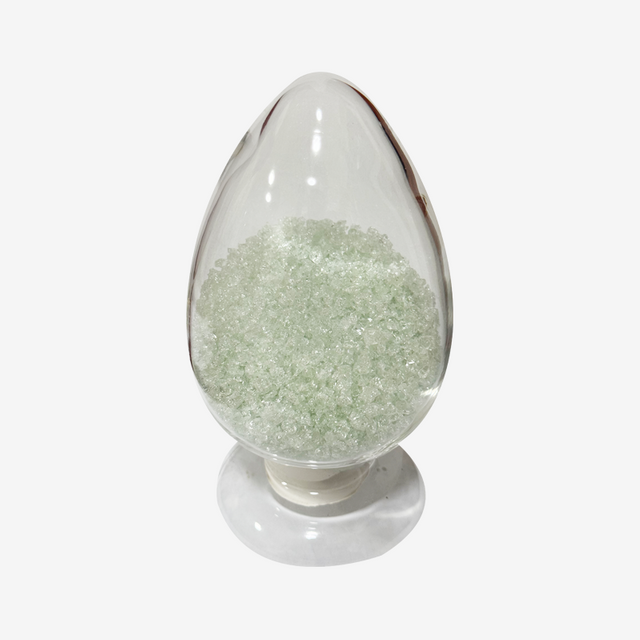
Tile Frit is an essential material used in the ceramic industry, specifically in the production of ceramic tiles. It plays a significant role in enhancing the quality and durability of tiles by providing a smooth, even surface and improving the adhesion of the glaze to the tile body. The frit acts as a key component in ceramic glazes, and selecting the right frit is crucial for achieving optimal results in terms of aesthetics, functionality, and performance.
In ceramic tile production, frits are often added to glazes to control the melting properties and to achieve a high-quality finish. The choice of frit affects not only the appearance of the tiles but also their durability and resistance to wear, making it a critical decision for manufacturers. Therefore, understanding the properties of Tile Frit and its various applications will help manufacturers make informed choices when selecting the best frit for their needs.
This article aims to provide a comprehensive guide on how to select the best Tile Frit for ceramic tiles. It covers the characteristics of frit, factors to consider during selection, and the role of frit in enhancing the quality of ceramic tiles. Additionally, it offers practical tips for manufacturers to optimize the use of frits in their production process.
Tile Frit is a type of pre-melted glass material that is ground into a fine powder and then used as a key ingredient in ceramic glazes. It is primarily composed of silica, alkali oxides, and other ingredients that, when heated, form a glass coating on ceramic surfaces. This glass coating provides various benefits, including improved adhesion, durability, and visual appeal.
Frit is used to control the melting behavior of ceramic glazes. During the firing process, frit melts and interacts with the other glaze components, creating a smooth, uniform surface. This enables manufacturers to achieve consistent and high-quality glazes that enhance the aesthetic qualities of the final ceramic product.
Tile Frit plays a variety of critical roles in ceramic tile production, impacting both the functionality and appearance of the final product. The primary functions include:
Improved Melting Properties: Tile frit melts during the firing process at a controlled temperature, ensuring that the glaze adheres evenly to the ceramic tile body.
Enhanced Durability: Frit increases the chemical resistance, hardness, and overall mechanical strength of ceramic tiles. This is especially important for tiles that will be exposed to harsh environmental conditions or heavy traffic.
Aesthetic Appeal: Frit affects the color, texture, and glossiness of the glaze, allowing manufacturers to create a wide variety of tile finishes, from glossy to matte or textured effects. It also contributes to the overall visual appeal of the tile.
These functions make frit a versatile and indispensable material in the production of ceramic tiles, as it helps to achieve both functional and aesthetic goals.
When selecting Tile Frit for ceramic tile production, several factors should be considered to ensure that the frit chosen will meet both the technical and aesthetic requirements of the production process.
The melting temperature of the frit is one of the most important factors to consider. The frit must melt at the correct temperature to bond effectively with the ceramic body and form a smooth glaze layer. If the frit melts too early or too late in the firing process, it may result in defects such as uneven glazing or poor adhesion.
Low Melting Point Frit: This type of frit is ideal for low-temperature firing processes, making it a great choice for quick production cycles where the goal is to achieve a uniform glaze with minimal energy consumption.
High Melting Point Frit: High-melting frits are better suited for high-temperature firing processes, which are often required for more durable ceramic tiles. These frits are ideal for producing tiles that require high resistance to wear and tear.
The thermal expansion coefficient of frit must be compatible with the ceramic body. If there is a mismatch in the expansion rates, the glaze may crack or peel off during the firing or cooling process. This is particularly important when working with large-format tiles or tiles that will experience significant temperature fluctuations.
High Coefficient: Frits with a high thermal expansion coefficient are better suited for high-porosity ceramic bodies, where greater flexibility is needed to accommodate changes in temperature.
Low Coefficient: Frits with a low thermal expansion coefficient are ideal for dense, non-porous tiles, as they minimize the risk of cracking or warping during the firing process.
Tile Frit also impacts the appearance and functional performance of ceramic tiles. The frit’s color, gloss level, and texture can be varied depending on the desired effect. Additionally, the frit should provide the necessary functional properties, such as improving the glaze’s durability, chemical resistance, and hardness.
Glossy Finish: If a high-shine finish is desired, manufacturers can opt for frits that provide a glossy, smooth surface. This is ideal for decorative wall tiles or premium porcelain tiles.
Matte Finish: For a more subdued, sophisticated look, matte frits can be used to create a smooth, non-reflective surface.
Textured Frits: Textured frits are used to create decorative surfaces with a rustic or artistic effect, which is often seen in hand-crafted or custom-designed tiles.
The frit selected must be compatible with the ceramic body in order to achieve the desired glaze performance. Compatibility refers to the frit’s ability to bond effectively with the tile’s surface without causing defects such as blistering, cracking, or poor adhesion.
Choosing frits that match the specific composition and firing requirements of the tile body ensures that the final product is durable, visually appealing, and free from defects.
The market offers a variety of Tile Frit products from reputable brands and suppliers. These companies provide a range of frits designed for different types of ceramic tiles, including wall tiles, floor tiles, and specialty ceramics.
Brand | Features | Suitable for |
Brand A | Offers a wide range of frits with varying melting points | Suitable for high-end porcelain tiles |
Brand B | Specializes in eco-friendly frit with low lead content | Ideal for building materials and everyday ceramic tiles |
Brand C | Known for vibrant color frits with long-lasting durability | Perfect for decorative and artistic tiles |
Selecting the appropriate frit depends on several factors:
Production Scale: Large production lines may require frits that offer higher consistency and faster firing times, while small-scale manufacturers may prioritize customizability.
Tile Type: Different types of tiles, such as floor tiles, wall tiles, and decorative tiles, may require different frit characteristics, such as increased durability for floor tiles or enhanced visual effects for decorative tiles.
Customization Needs: Some suppliers offer customized frit formulas tailored to specific production needs, allowing manufacturers to optimize their glazes for particular effects or requirements.
Tile Frit is typically mixed with other raw materials such as clay, water, and pigments to create a glaze that is applied to the ceramic surface. The frit powder is mixed into the glaze, and then the glaze is applied to the ceramic tile using techniques such as spraying, dipping, or brushing. The tiles are then fired at high temperatures to melt the frit and form a smooth, durable glaze.
Many suppliers offer technical support to help ceramic manufacturers optimize the use of frits in their production processes. This support includes:
Customized Frit Formulas: Suppliers can assist manufacturers in developing customized frit formulations that meet specific glaze requirements.
Troubleshooting: Technical teams can help solve issues with frit application or firing processes, ensuring that manufacturers achieve the desired results.
Tile frits should be selected based on the scale of production:
Small Scale Production: Smaller manufacturers may benefit from frits that offer flexibility, customizability, and faster firing cycles.
Large Scale Production: Larger manufacturers typically require frits that provide consistent results, higher melting points, and quicker production times.
While high-quality frit can improve the durability and aesthetics of ceramic tiles, manufacturers must also consider the cost-effectiveness of the frit. It is essential to balance quality and cost to ensure that production remains within budget.
High-End Frit: High-end frits offer excellent performance but are generally more expensive. They are suitable for premium ceramic products or tiles that require exceptional durability and aesthetics.
Standard Frit: Standard frits are more affordable and suitable for mass production of everyday ceramic tiles, offering reliable results at a lower cost.
Selecting the best Tile Frit is essential for manufacturers striving to produce high-quality, durable ceramic tiles. By carefully considering factors such as melting temperature, thermal expansion coefficient, aesthetic properties, and compatibility with the ceramic body, manufacturers can make informed choices that optimize both functionality and appearance. Tile frit not only enhances the performance and durability of tiles but also elevates their visual appeal, allowing manufacturers to create superior ceramic products.
At Chuangxiang Laser Technology Co., Ltd., we specialize in providing premium Tile Frit products tailored to meet diverse production needs. Our expertise ensures that you receive the best frit solutions for your ceramic tiles, improving both quality and efficiency. Whether you're looking for a specific glaze finish, improved durability, or enhanced aesthetic effects, our team is ready to guide you. We invite you to contact us for personalized advice and to explore how our frit products can elevate your tile production process.
Q1: What is the role of Tile Frit in ceramic tile production?
Tile Frit helps to form a smooth, even glaze on ceramic tiles. It improves melting properties, increases durability, and provides aesthetic effects like color and gloss.
Q2: Can Tile Frit be used for all types of ceramic tiles?
Yes, Tile Frit is versatile and can be used for various types of ceramic products, including floor tiles, wall tiles, and decorative ceramics.
Q3: How do I know if my Tile Frit is compatible with my ceramic body?
Compatibility is typically tested by firing the frit with the ceramic body to observe how well the frit bonds with the surface without causing defects.
Q4: What is the difference between high-temperature and low-temperature Tile Frit?
High-temperature frit is used for durable, high-performance tiles, while low-temperature frit is ideal for quicker firing processes and cost-effective production.
Q5: Can Tile Frit be customized?
Yes, many suppliers offer customized frit formulations that can be tailored to specific production needs, allowing manufacturers to optimize the glaze for desired effects.