Views: 0 Author: Site Editor Publish Time: 2026-02-18 Origin: Site
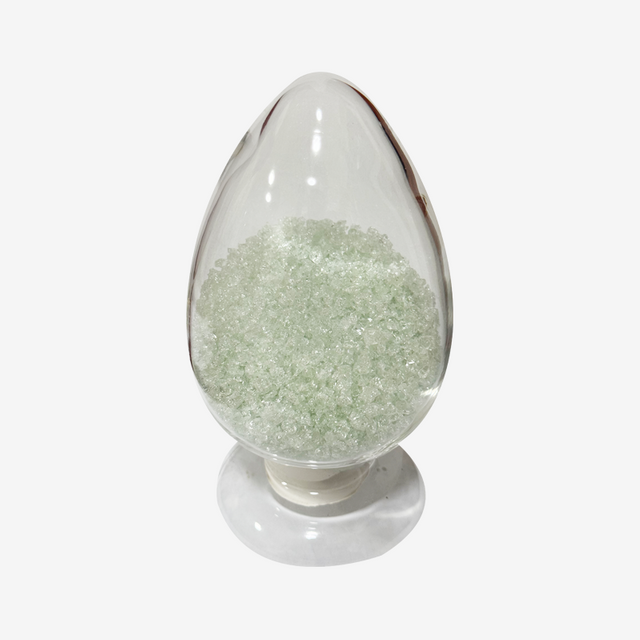
Glazed Floor Tile Frit is an essential material used in the ceramic tile manufacturing process, especially for creating durable and aesthetically appealing glazed surfaces. Tile frit is a pre-melted glass powder that, when applied correctly, enhances the quality and performance of the tiles, providing them with superior gloss, durability, and scratch resistance.
The process of applying glazed floor tile frit may seem simple, but it involves several key steps that must be followed meticulously to achieve the desired results. This article outlines a step-by-step guide to applying glazed floor tile frit, covering everything from preparation to firing and ensuring long-lasting results.
By the end of this guide, you'll understand the critical steps to applying frit, the tools required, and best practices for achieving high-quality glazed ceramic floor tiles.
Glazed Floor Tile Frit is a special type of pre-melted glass powder used in the ceramic tile glazing process. The frit is a blend of silica, alkali oxides, and other compounds that, when melted, form a smooth, hard, and glossy coating on ceramic tiles. This coating is what gives tiles their protective glaze, which is critical for improving both the functionality and aesthetics of the final product.
The frit’s primary function is to facilitate the bonding of the glaze to the tile body during the firing process. It ensures that the glaze melts evenly, preventing defects like bubbles, cracks, or poor adhesion.
The application of Glazed Floor Tile Frit enhances the tile in various ways:
Aesthetic Appeal: It provides a glossy or matte finish, which is visually appealing and gives the tile an elegant appearance.
Durability: The frit helps increase the mechanical strength of the tile by improving its hardness, making it more resistant to abrasion and impact.
Chemical Resistance: The frit acts as a barrier, making the tiles more resistant to stains, chemicals, and cleaning agents, which is particularly useful for high-traffic floor tiles.
Heat Resistance: Frits contribute to the heat resistance of the tile, ensuring that the glazed surface does not deteriorate when exposed to high temperatures.
Proper surface preparation is crucial for the effective application of frit. Without adequate preparation, the frit may not adhere properly to the ceramic tile body, leading to defects in the glaze.
Cleaning: The tile surface must be thoroughly cleaned to remove any dust, oil, or debris that could interfere with the frit's adhesion. It is recommended to use a non-abrasive cleaner and ensure the surface is dry before application.
Smoothness: The ceramic tile body should be smooth and free of any rough spots. Rough surfaces may lead to uneven glaze application, resulting in a subpar finish.
Drying: After cleaning, the tile should be completely dry. Any residual moisture could cause the frit to react improperly during the firing process, leading to defects.
Once the tile surface is prepared, the next step is preparing the frit mixture. Tile frit is usually mixed with other materials to achieve the desired consistency and performance.
Mixing the Frit: The frit powder is mixed with other glaze components, such as water, pigments, and binders. The mixture should have a smooth, slurry-like consistency that allows for easy application.
Consistency: It’s essential to ensure the frit mixture has the right consistency. If it’s too thick, it will be difficult to apply evenly, and if it’s too thin, it may drip off during firing. Adjusting the water content and binder concentration can help achieve the ideal consistency for smooth application.
There are several tools that can be used to apply Glazed Floor Tile Frit. The choice of tool depends on the method of application and the scale of the production process.
Tool | Purpose | Best Use |
Spray Gun | Provides even coverage for large batches | High-volume production and uniform application |
Dipping Tank | Submerges tiles into frit mixture for even coating | Ideal for mass production or intricate designs |
Brush | Manual application for smaller areas or touch-ups | Small-scale or custom tile applications |
Each of these tools plays a vital role in ensuring that the frit is applied consistently and evenly across the surface of the tiles.

There are various methods for applying Glazed Floor Tile Frit, each suitable for different production scales and tile types. Here are the most common techniques:
Spraying is one of the most widely used methods for applying frit in large-scale tile production. It ensures an even, consistent coating across the surface of the tile.
How to Spray: Use a spray gun to apply a thin layer of frit to the tile surface. Hold the gun at an appropriate distance from the tile to avoid over-spraying or uneven coverage.
Benefits: This method is efficient for covering large areas quickly and uniformly, making it ideal for high-volume production.
Dipping is another effective method, particularly for smaller tile batches or tiles that require complete coverage with a uniform glaze.
How to Dip: Submerge the tile into a dipping tank filled with the frit mixture, ensuring the entire surface is covered. After dipping, remove the tile and allow it to dry.
Benefits: Provides excellent coverage and ensures an even coating without the risk of overspray.
Brushing is typically used for smaller-scale production or when finer details are required.
How to Brush: Use a soft brush to apply the frit mixture onto the tile surface. Apply the frit in thin, even layers to avoid clumping or uneven application.
Benefits: Ideal for detailed or custom tile designs where spraying or dipping may not be suitable.
For the best results, it's important to apply the frit evenly. Here are some tips:
Avoid Thick Layers: Applying too much frit in one layer can lead to uneven drying and may cause defects during the firing process.
Multiple Layers: If more coverage is required, apply several thin layers of frit, allowing each layer to dry before applying the next.
Consistent Speed: When spraying or brushing, maintain a consistent speed and distance to ensure even coverage.
Once the frit has been applied and the tile has dried, the next critical step is firing the tile in a kiln. The firing process solidifies the frit glaze and bonds it to the ceramic body.
Firing Temperature: The temperature at which the frit is fired is crucial for achieving the desired glaze finish. For most Glazed Floor Tile Frit, the firing temperature typically ranges from 1050°C to 1250°C depending on the frit’s composition.
Duration: The tiles are heated to the firing temperature and held there for a specific period to ensure that the frit fully melts and adheres to the tile body.
Once the firing process is complete, the tiles must cool gradually. Rapid cooling can cause the glaze to crack or the frit to separate from the tile.
Controlled Cooling: Gradually decrease the temperature to avoid thermal shock. This ensures that the frit bonds securely with the tile and that the surface remains intact.
To ensure the durability and consistency of the frit application, follow these best practices:
Proper Frit Mixture: Always mix the frit and glaze ingredients thoroughly to prevent lumps and ensure even consistency.
Controlled Application: Apply frit in thin, even layers to prevent clumping or pooling.
Quality Control: Regularly inspect the tiles during the frit application and firing stages to ensure uniformity.
Correct Firing: Always follow the recommended firing temperatures and times for the frit you are using.
Applying Glazed Floor Tile Frit is a critical process for producing high-quality, durable ceramic tiles. At Chuangxiang Laser Technology Co., Ltd., we understand that by following the correct preparation, application methods, and firing procedures, manufacturers can achieve smooth, glossy, and long-lasting glazed surfaces. Our expertly formulated frits not only improve the aesthetic appeal of tiles but also enhance their resistance to wear, stains, and scratches, making them ideal for high-traffic areas.
By using the right techniques and applying our Glazed Floor Tile Frit, manufacturers can ensure that their ceramic tiles meet the highest standards of performance and durability. Whether you're looking to enhance the glossiness of your tiles or improve their overall durability, our team is here to guide you through the process.
We invite you to contact us for more information or to discuss how our frit solutions can elevate your tile production process. Let us help you create tiles that are not only visually appealing but also built to last.
Q1: What is the ideal temperature for firing glazed floor tile frit?
The ideal firing temperature for Glazed Floor Tile Frit ranges from 1050°C to 1250°C, depending on the frit’s composition and the tile body’s requirements.
Q2: Can I apply glazed floor tile frit manually?
Yes, Glazed Floor Tile Frit can be applied manually using brushing or spraying techniques. However, for larger productions, automated methods are often preferred for uniformity.
Q3: How long should I let the frit dry before firing?
The frit should be completely dry before firing, typically requiring 15 minutes to 1 hour depending on the environmental conditions and the thickness of the frit layer.
Q4: What are the benefits of using glazed floor tile frit over traditional glazing methods?
Glazed Floor Tile Frit offers better durability, enhanced gloss, and improved scratch resistance compared to traditional glazing methods. It also provides superior chemical resistance, making tiles easier to clean and maintain.
Q5: Can I mix different types of frits to create a custom glaze?
Yes, Glazed Floor Tile Frits can be mixed to create custom glaze effects. Always test mixtures on a small scale before full application to ensure compatibility and desired results.