Views: 0 Author: Site Editor Publish Time: 2026-01-13 Origin: Site
Tile Frit is an essential ingredient in ceramic tile manufacturing, influencing not only the appearance of the tiles but also their durability and performance. Choosing the right quality Tile Frit can greatly impact the success of your tile production, ensuring that your products are not only visually appealing but also resilient. In this comprehensive guide, we’ll delve into everything you need to know to select the best Tile Frit for your needs.
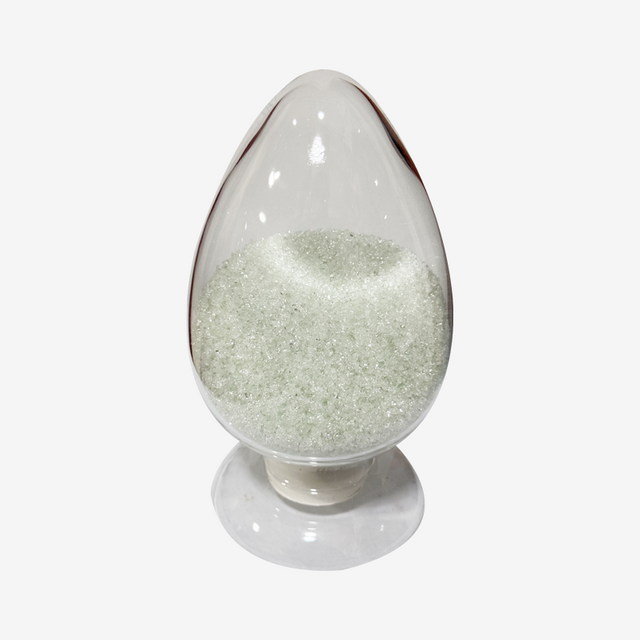
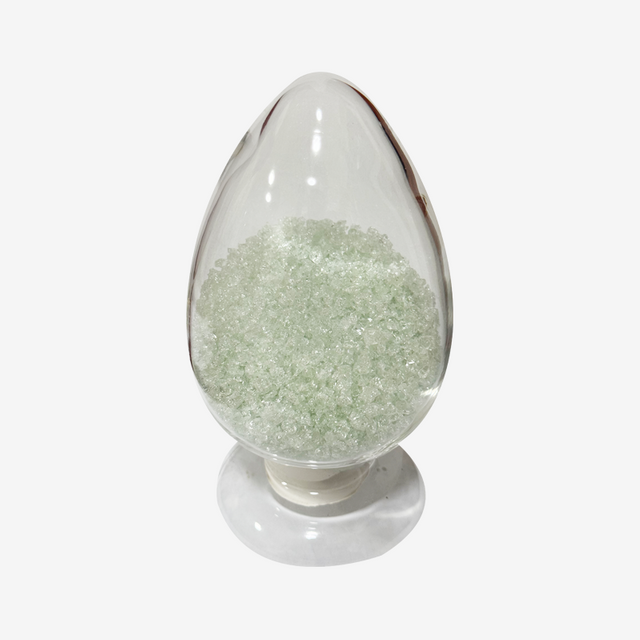
Tile Frit is a pre-melted glass material, made from a mixture of silica, alumina, alkalis, and other oxides, which is cooled rapidly and ground into a fine powder. It is primarily used in ceramic tile production to form the glaze on the tile surface, giving it its aesthetic finish and contributing to its physical properties.
Glass-like properties: Tile Frit is essentially a form of glass that can melt at specific temperatures.
Durability: It enhances the physical properties of ceramic tiles, including resistance to scratches, wear, and high temperatures.
Aesthetic Appeal: It is crucial in achieving the desired texture, gloss, and color consistency in tile production.
Tile Frit plays an essential role in the manufacturing of wall tiles, floor tiles, and decorative ceramic pieces, offering a smooth and protective coating on the tile surface.
The quality of the Tile Frit directly influences the final product's appearance and durability. It determines the gloss, color consistency, and texture of the ceramic tile glaze. Higher quality Tile Frit results in tiles that are more resistant to wear and tear, can withstand harsh environments, and are visually more appealing.
The composition of Tile Frit plays a significant role in its functionality and performance. Tile Frit is made from various raw materials, each affecting the final product's characteristics.
Component | Impact on Tile Frit |
Silica (SiO2) | Enhances hardness, and stability, and increases the melting point. |
Alumina (Al2O3) | Improves the scratch resistance and durability of the glaze. |
Soda (Na2O) | Lowers the melting temperature and makes the frit easier to work with. |
Boron Oxide (B2O3) | Provides better fluidity and thermal shock resistance. |
Lime (CaO) | Increases the glaze's resistance to chemical attack. |
Silica provides the strength of the glaze and helps it adhere well to the tile.
Alumina increases the glaze’s durability, making it resistant to scratches.
Lime and Boron Oxide enhance chemical resistance, ensuring tiles withstand environmental factors like moisture and cleaning chemicals.
Selecting Tile Frit with the right balance of these materials ensures the durability and overall quality of the ceramic tile.
The melting behavior of Tile Frit is crucial as it determines how the frit behaves during the firing process. A quality Tile Frit should have the right melting temperature that aligns with the firing temperature of your ceramic body, ensuring a seamless glaze application.
Firing Range: The frit must melt at a temperature compatible with the ceramic tile body. If the melting point is too high, the frit might not fuse correctly with the tile.
Thermal Expansion: The frit must have a coefficient of thermal expansion (CTE) that matches the ceramic body to avoid cracking when exposed to temperature changes.
Tile Frit directly affects the color, gloss, and overall appearance of the tile. Choosing the right frit with consistent color and appearance ensures that all tiles in a batch are uniform, which is essential for large-scale production.
Color Range | Ideal for |
Clear or White | Common for gloss finishes and light-colored tiles. |
Opaque or Translucent | Used for textured or matte finishes. |
Custom Colors | For unique design needs, including bespoke projects. |
Quality frit should maintain its color and gloss throughout the firing process. Frits with inconsistent coloration may result in defects or variations in the final tile, making it unsuitable for mass production or high-end designs.
One of the key reasons to choose high-quality Tile Frit is to enhance the durability and resistance to scratches and abrasion of the ceramic tiles. Tiles used in high-traffic areas or exposed to harsh conditions require frits that provide added protection.
Abrasion Resistance: The frit should prevent wear from frequent foot traffic or cleaning.
Impact Resistance: The frit should be tough enough to withstand accidental knocks without chipping or cracking.
Chemical Resistance: Frit should protect against chemicals, detergents, and water, ensuring long-term use without degradation.
High-quality frit creates a strong, resilient glaze that maintains its finish over time, enhancing the tile’s lifespan.
Tile Frit plays a vital role in achieving the desired gloss and finish on the tile’s surface. Tiles can have various finishes depending on the type of frit used:
Gloss Level | Frit Impact |
Matte | Provides a non-reflective surface suitable for modern and industrial designs. |
Satin | A smooth finish that provides a slight shine without being too glossy. |
High Gloss | A highly reflective, shiny surface ideal for luxurious, polished tiles. |
Choosing the correct frit based on your gloss preference ensures that the finished tile meets your aesthetic goals.
Tiles are subjected to heat and cold, and the ability of the Tile Frit to withstand these conditions without cracking is crucial.
Expansion Compatibility: If the frit has a higher or lower thermal expansion coefficient compared to the ceramic body, it could lead to cracks or defects.
High Temperature Resistance: High-quality frit ensures that the tiles perform well in environments with fluctuating temperatures, such as kitchens and bathrooms.
Selecting frits with the correct thermal stability prevents issues during installation and over the long term.
When choosing Tile Frit, it is important to source it from reputable suppliers with a proven track record in the industry. Established suppliers have the experience and knowledge to offer products that meet your specific needs.
Years in the Industry: Companies with decades of experience are likely to provide better products and services.
Customer Testimonials: Check for positive feedback from other manufacturers who have used the supplier's frit products.
Quality control is essential for Tile Frit, as consistency in color, texture, and melting behavior can vary across batches. Reputable suppliers implement stringent testing procedures to ensure product quality.
Consistency Testing: Ensures that each batch of frit matches the specifications and performs similarly.
Durability Testing: Includes testing for scratch resistance, gloss levels, and temperature stability.
Certification: Look for certifications such as ISO or industry-specific standards that guarantee the frit meets high-quality benchmarks.
Many suppliers offer customized Tile Frit solutions based on your unique requirements. If your project demands a specific finish, color, or performance, working with a supplier that provides tailored solutions can be beneficial.
Unique Tile Designs: Custom frit allows for unique and bespoke tile designs that align with the project’s aesthetics.
Technical Support: Suppliers that offer guidance on selecting the right frit can help you avoid issues during the production process.
Different types of tiles have different performance needs, so choosing the right frit is critical. Whether you’re making wall tiles, floor tiles, or decorative pieces, the frit must align with the production process.
Tile Type | Recommended Frit Type |
Wall Tiles | Lightweight frit with good aesthetic finish. |
Floor Tiles | High durability frit with good scratch resistance. |
Decorative Tiles | Custom color frit for unique designs. |
While quality frits can sometimes be more expensive, it’s important to balance cost with performance. Choosing a budget-friendly frit that offers adequate durability and aesthetic quality ensures a cost-effective solution without sacrificing tile performance.
Frit Type | Cost Considerations |
High-Performance Frit | Best for premium tiles, higher initial investment. |
Standard Frit | Affordable option for basic production needs. |
Selecting the right Tile Frit is a critical step in achieving ceramic tiles that excel in both visual appeal and long-term performance. The composition of the frit directly influences glaze smoothness, color stability, and surface durability, while appropriate melting behavior ensures compatibility with different firing processes. At the same time, factors such as abrasion resistance, chemical stability, and thermal expansion play a decisive role in determining whether the finished tiles can withstand daily use and challenging environments.
At Chuangxiang Laser Technology Co., Ltd., we understand that every tile manufacturer has unique production requirements and design goals. With extensive experience in the development and manufacturing of Tile Frit, we focus on delivering stable, high-quality frit solutions that support consistent glazing results and efficient production. Our team works closely with customers to provide tailored recommendations, whether for wall tiles, floor tiles, or decorative ceramic applications.
If you are looking to improve tile quality, reduce production risks, and achieve more reliable firing results, we invite you to learn more about our Tile Frit solutions. Feel free to contact us to discuss your specific needs—our technical expertise and customized support can help bring your ceramic tile projects to the next level.
1. What is Tile Frit used for in ceramic tiles?
Tile Frit is used to create a smooth and durable glaze on ceramic tiles, enhancing their appearance and resistance to wear.
2. How does Tile Frit affect the appearance of ceramic tiles?
Tile Frit affects the gloss, texture, and color of the ceramic tile surface. A high-quality frit ensures consistent color and a smooth finish.
3. What is the difference between Tile Frit and regular ceramic glaze?
Tile Frit is a pre-melted material, while regular glaze is often mixed with other raw materials and applied to tiles. Frits melt at a lower temperature and provide more consistent results.
4. Can Tile Frit be customized for specific design needs?
Yes, many suppliers offer customized Tile Frit to meet unique color, texture, and performance specifications.
5. How do I know if I am choosing high-quality Tile Frit?
Look for suppliers with a good reputation, thorough testing protocols, and consistent quality control. The frit should also meet your specific aesthetic and durability requirements.