Views: 0 Author: Site Editor Publish Time: 2026-02-13 Origin: Site
Tile Frit plays a vital role in the production of ceramic tiles, providing essential properties that enhance the performance and aesthetics of the final product. As a key component in the ceramic glaze, Tile Frit is a pre-melted glass material that helps control the melting characteristics, surface quality, and durability of ceramic tiles. Whether used in architectural tiles or household ceramics, its versatile applications make it a crucial element in the ceramic industry.
In this article, we will delve into the properties of Tile Frit, explore its applications, and discuss why it is a preferred choice for tile manufacturers worldwide. We will also highlight some important considerations when choosing the right Tile Frit for different ceramic applications.
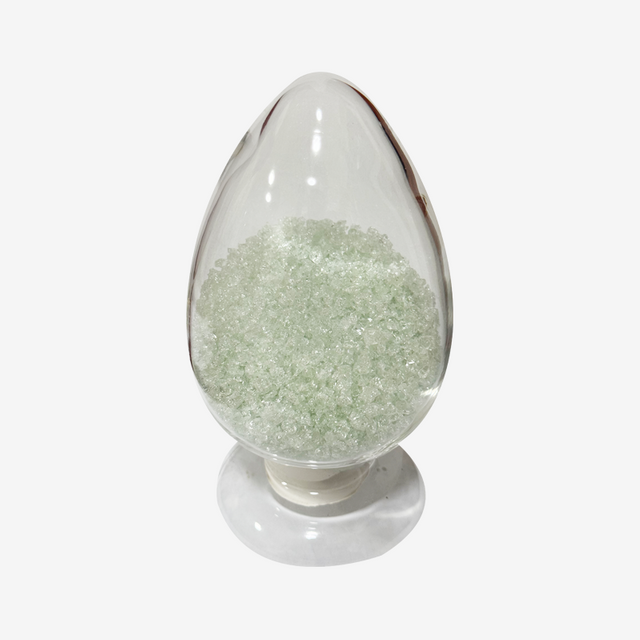
Tile Frit is a type of pre-melted glass material that is used in ceramic glazes to control the melting behavior and enhance the surface characteristics of tiles. It is typically made by fusing a mixture of raw materials at high temperatures, which are then rapidly cooled to form a glass-like substance. This frit material is then ground into a fine powder and incorporated into the glaze to provide superior properties such as smoothness, adhesion, and durability to ceramic tiles.
Tile Frit is primarily used in the glazing process of both wall and floor tiles, where it helps create a smooth, glass-like surface that is resistant to wear, stains, and chemicals. It can also be tailored to achieve various effects such as high gloss, matte finishes, or textured surfaces.
Tile Frit is known for its exceptional properties that make it indispensable in the ceramic tile manufacturing process. Below are the key properties of Tile Frit:
One of the primary benefits of Tile Frit is its ability to control the melting temperature of ceramic glazes. The melting point of Tile Frit can be customized to suit specific production requirements. By adjusting the composition of the frit, manufacturers can create glazes that melt at different temperatures, ensuring compatibility with the firing temperatures of various tiles.
For example, tiles that require a lower firing temperature can benefit from frits that have a lower melting point, while high-end tiles may require frits that melt at higher temperatures to achieve greater durability.
Tile Frit is instrumental in achieving the desired gloss and surface finish of ceramic tiles. When properly incorporated into a glaze, it helps create a smooth, glossy surface that enhances the aesthetic appeal of the tiles. It also provides a consistent finish that is free from defects such as cracking, bubbling, or streaking.
The ability of Tile Frit to adhere well to the ceramic substrate is another important property. This adhesion ensures that the glaze remains intact during the firing process and throughout the life of the tile. A strong bond between the frit and the ceramic body contributes to the durability and longevity of the tile.
Tile Frit enhances the chemical resistance and wearability of ceramic tiles. The frit’s glass-like structure provides a hard, protective layer that is resistant to chemicals, stains, and scratches. This is particularly important for tiles used in high-traffic areas or environments where the tiles are exposed to harsh cleaning agents or chemicals.
Tile Frit is widely used in both architectural and household ceramics. Its versatility allows it to be customized for different types of ceramic products, from floor tiles to wall tiles and even daily-use ceramics like dinnerware and bathroom products.
Tile Frit plays a critical role in the production of architectural ceramic tiles, including wall tiles, floor tiles, and exterior tiles. It is essential for creating tiles with smooth, even surfaces that can withstand environmental factors such as UV exposure, moisture, and temperature fluctuations. Tile Frit is used to achieve high-gloss, matte, or textured finishes, depending on the design requirements of the project.
In architectural applications, Tile Frit helps improve the aesthetic appeal of tiles by enhancing their color vibrancy and surface uniformity. Additionally, it contributes to the tile's ability to resist wear and maintain its appearance over time.
Wall Tiles: Used in both interior and exterior applications, Tile Frit ensures the smoothness and adhesion of the glaze.
Floor Tiles: Provides a durable surface that resists wear, making it ideal for high-traffic areas.
Outdoor Tiles: Tile Frit helps increase the weather resistance of tiles, making them suitable for outdoor applications.
Tile Frit is also widely used in household ceramics, including dinnerware, bathroom ceramics, and other everyday ceramic items. For household ceramics, the focus is often on achieving high gloss, durability, and resistance to staining and scratching.
Tile Frit enhances the performance of ceramics in everyday use, making them more resistant to wear and tear while maintaining a shiny and smooth finish. Additionally, its chemical resistance makes it suitable for products that are exposed to cleaning agents and food acids.
Dinnerware: Tile Frit ensures a glossy, smooth finish that is resistant to stains and scratches.
Bathroom Ceramics: Provides durability and chemical resistance for bathroom tiles and fixtures.
Tiles for Kitchens: Ensures resistance to food acids and frequent cleaning.
Tile Frit offers several advantages to manufacturers that make it a preferred choice in ceramic tile production. Here are some of the key benefits:
By using Tile Frit, manufacturers can achieve a more consistent and efficient glazing process. The controlled melting properties of Tile Frit reduce defects in the glaze, leading to fewer production errors and higher-quality tiles.
Tile Frit helps ensure the consistency and stability of the final product. Its uniform melting behavior ensures that tiles have a smooth, even surface with no variations in gloss or texture. This is essential for large-scale production where uniformity is key.
Many modern Tile Frit formulations are designed to meet environmental regulations, reducing the use of harmful substances like lead and cadmium. These eco-friendly frits are safer to handle and contribute to the overall sustainability of ceramic tile production.
Choosing the right Tile Frit depends on several factors, including the type of ceramic being produced, the desired finish, and the firing temperature. Here are some factors to consider when selecting Tile Frit for your ceramic application:
Factor | Consideration | Recommended Frit Type |
Firing Temperature | The temperature range required for firing the tiles. | Low-firing frits for lower temperatures, high-firing frits for premium tiles. |
Tile Type | The type of ceramic (floor, wall, outdoor, etc.). | Customized frits for floor tiles with enhanced wear resistance. |
Finish Type | Desired gloss or texture of the tiles. | High-gloss frits for shiny finishes, matte frits for non-reflective surfaces. |
Environmental Conditions | Tiles used in outdoor or high-moisture areas. | Weather-resistant frits for outdoor tiles. |
Tile Frit is an essential material in the ceramic industry, offering a wide range of benefits such as enhanced surface finish, increased durability, and superior resistance to chemicals and wear. Whether utilized in architectural ceramics or household products, Tile Frit helps achieve the desired performance and aesthetic qualities for ceramic tiles. By selecting the right Tile Frit, manufacturers can improve production efficiency and ensure the creation of high-quality, long-lasting products.
At Chuangxiang Laser Technology Co., Ltd., we specialize in providing premium Tile Frit solutions tailored to meet the specific needs of our clients. Our expertise allows us to offer customized frits that optimize tile performance, whether for indoor, outdoor, or high-traffic environments. If you are looking for reliable, high-performance Tile Frit materials, we encourage you to reach out to us. Our team is ready to assist you in selecting the perfect frit for your ceramic production needs and ensuring your products meet the highest standards of quality and durability.
Tile Frit is a pre-melted glass material, whereas regular ceramic glaze is a liquid coating applied to the surface of tiles. Tile Frit helps control the melting behavior and enhances the tile's surface properties.
Yes, Tile Frit can be customized for both interior and exterior ceramics. For exterior applications, it is formulated to withstand harsher environmental conditions.
Tile Frit enhances the wear resistance and chemical stability of tiles, providing a hard, protective layer that prevents staining, scratching, and damage from cleaning agents.
When selecting Tile Frit, factors such as firing temperature, tile type, desired finish, and environmental conditions should be considered to ensure the right frit is chosen for the application.
Many modern Tile Frit formulations are eco-friendly and meet environmental standards by reducing harmful substances like lead and cadmium.