Views: 0 Author: Site Editor Publish Time: 2026-06-07 Origin: Site
Sourcing the correct frit remains a critical bottleneck in manufacturing high-end bone china. The choice directly impacts defect rates, translucency, and mechanical strength. This makes formulation accuracy vital for any production line. Substandard or improperly matched frits lead to severe glazing defects. These include crazing, shivering, and compromised structural integrity. Furthermore, inferior materials frequently fail to meet international food safety standards for commercial tableware. Such failures jeopardize brand reputation and market access. To avoid these pitfalls, manufacturers need a rigorous evaluation process. This guide provides a technical and procurement-focused framework for testing and selecting optimal materials. You will discover practical methods to evaluate thermal expansion, optical properties, and compliance standards. We outline everything needed to ensure consistent, premium output while mitigating operational risks.
Thermal Matching is Non-Negotiable: A precise Coefficient of Thermal Expansion (COE) match between the bone ash body and the frit prevents structural failures post-firing.
Compliance Drives Procurement: True dinnerware-grade frit must feature rigorously tested, ultra-low to zero lead and cadmium leaching for global market access.
Batch Consistency Determines Supplier Viability: Evaluating suppliers requires auditing their calcination controls to ensure minimal lot-to-lot variance.
Sample Testing Precedes Scaling: Never bypass pilot-kiln testing; real-world interaction with specific local clay and bone ash recipes often deviates from theoretical spec sheets.
Standard ceramic frits lack the necessary fluxing behavior required for fine bone china. They also fail to provide the high optical clarity demanded by premium markets. Bone china relies on a unique calcium phosphate body. This body requires specialized materials to fully realize its potential. Conventional frits often melt at incorrect temperatures. They can cloud the underlying white body and ruin the final aesthetic.
A premium frit must actively enhance the intrinsic whiteness of the calcium phosphate body. It should elevate translucency rather than mask it. Success requires delivering a scratch-resistant, mirror-like finish. You want a surface capable of withstanding heavy commercial use without dulling. The frit acts as the protective glass layer bridging the ceramic body and the external environment.
You will find these specialized materials essential across multiple production stages. They are vital for the initial glazing of the bisque ware. Additionally, they act as a stable flux in overglaze decoration for tableware ceramic frit applications. Using the right composition guarantees vibrant colors in decaled designs. It prevents pigment burnout during the decorating fire.
Feature | Standard Porcelain Frit | Premium Bone China Frit |
|---|---|---|
Fluxing Behavior | Broad melting range, generic flux. | Tailored for calcium phosphate integration. |
Optical Clarity | Moderate to opaque. | High refractive index, ultra-transparent. |
Thermal Expansion | Standard expansion curve. | Precisely matched to bone ash bodies. |
Surface Finish | Standard gloss. | Mirror-like, highly scratch-resistant. |
You must assess the melting point rigorously. Ensure it aligns perfectly with standard bone china glost firing cycles. These cycles typically run between 1050°C and 1150°C. If the frit melts too early, you risk boiling the glaze. If it melts too late, the surface remains immature and matte.
Evaluate viscosity carefully during the melt phase. Proper viscosity prevents crawling or running on complex dinnerware geometries. Plates feature curved rims. Teapots have intricate spouts. A highly fluid glaze will pool in crevices. It leaves sharp edges bare. You need a controlled flow rate to maintain uniform thickness.
Compare supplier COE specifications against your specific raw material matrix. Your bone ash, kaolin, and feldspar blend has a unique expansion curve. The frit must mirror this curve closely. A slight mismatch spells disaster for commercial ceramics.
Identify margins of error early. This prevents tension or compression issues over the product lifecycle. If the glaze shrinks more than the body, it experiences tension. This causes crazing. If it shrinks less, it enters compression. Severe compression leads to shivering, where glaze flakes off edges. Accurate thermal matching solves both problems.
Determine the direct impact on light transmission. Fine bone china is famous for its translucency. Consumers expect to see the shadow of their hand through the plate. A cloudy frit destroys this effect entirely.
High-quality dinnerware glaze demands a exceptionally high refractive index. This metric determines how light bends through the surface. A high index achieves the signature glossy finish. It accomplishes this without clouding the underlying white body. Testing light transmission through fired samples is a mandatory quality control step.
Always request exact refractive index numbers from suppliers.
Test optical clarity on standard white test tiles before full application.
Monitor kiln atmosphere, as reduction firing can dull the refractive index.
Crazing frequently plagues new product lines. It often results from mismatched expansion rates. You should require suppliers to provide comprehensive dilatometer test data. This data charts the exact expansion curve across various temperatures. Compare their curve to your bisque body curve immediately.
Pinholing and blistering present another major challenge. You must track outgassing parameters closely. The frit must undergo thorough smelting during its manufacture. Proper smelting eliminates unreacted volatiles. If a supplier cuts corners on smelting time, trapped gases will escape during your glost fire. These escaping gases create tiny craters known as pinholes.
Evaluate suspension properties long before scaling production. How the material behaves in the glaze slurry dictates daily operational efficiency. You must monitor settling rates and rheology. Fast-settling slurries cause inconsistent application. They complicate dipping processes and clog automated spraying equipment.
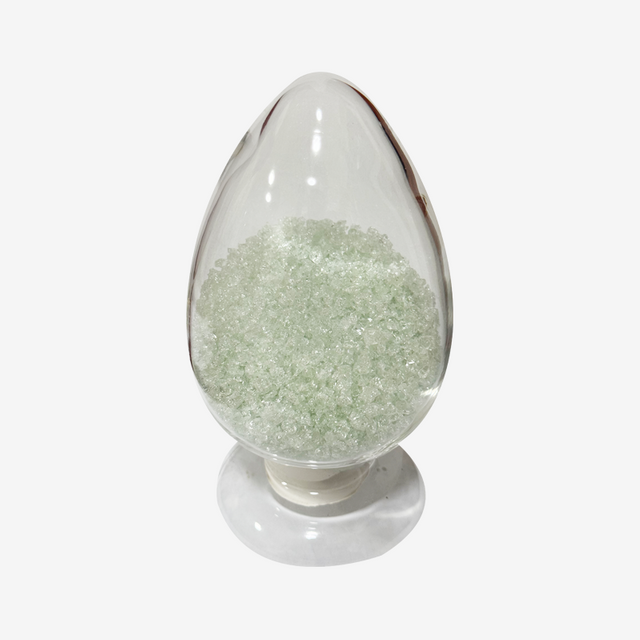
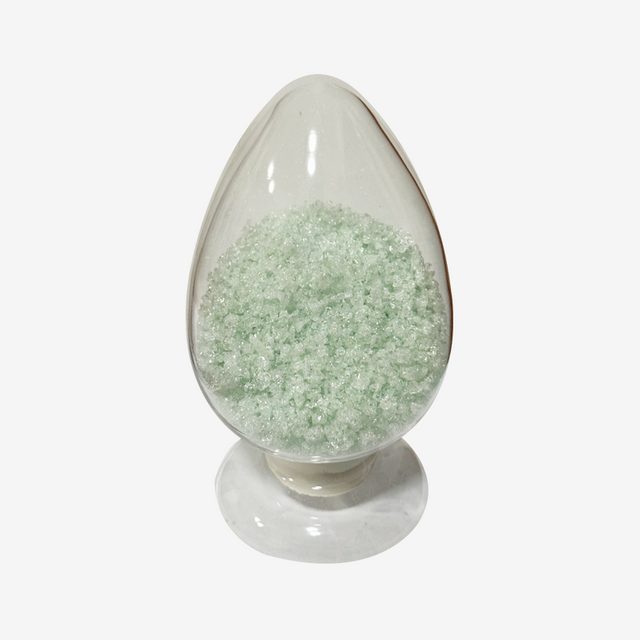
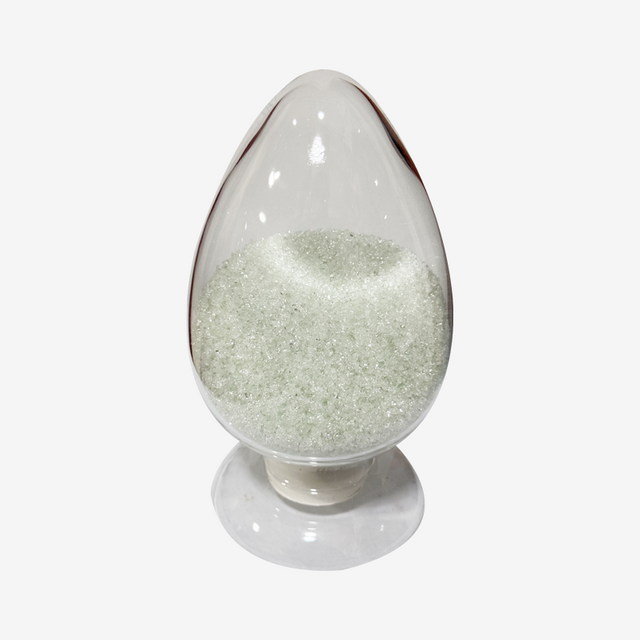
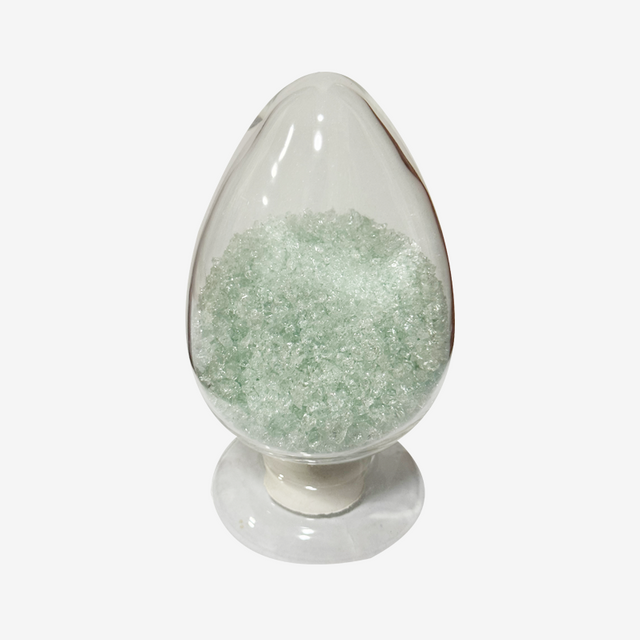
Assess your internal milling requirements carefully. You face a choice between pre-milled and granular acquisitions. This choice impacts in-house processing costs significantly. Granular formats cost less initially but require extensive ball milling. Pre-milled options save time but carry a premium price tag. Base your decision on your factory's grinding capacity.
Test slurry suspension behavior over a 48-hour standing period.
Measure specific gravity and viscosity daily on the production floor.
Adjust flocculants or deflocculants based on seasonal temperature shifts.
Track ball mill wear rates if purchasing granular formats.
You must frame compliance as a strict baseline. It is never merely a premium feature for household ceramic glaze. Modern consumers demand absolute safety. Regulatory bodies enforce these standards rigorously at borders. Failure to comply results in seized shipments and costly recalls.
Demand independent, third-party lab results from every supplier. You need verified data for Lead (Pb) and Cadmium (Cd) release levels. In-house supplier tests are insufficient for global compliance. Third-party testing provides necessary legal protection. It also reassures high-end retail partners about your product integrity.
Verify alignment with specific international regulations before finalizing contracts. For the United States, ensure US FDA compliance. Refer to CPG 7117.06 for cadmium and CPG 7117.07 for lead. If you sell in California, you must meet stringent Proposition 65 requirements.
European markets require compliance with EU directives. Specifically, directive 84/500/EEC governs food-contact surfaces. These regulations dictate precise testing methodologies using acetic acid solutions. Ensure your chosen material passes these simulated acidic environment tests easily.
Start your evaluation by requesting documentation. Filter out suppliers lacking comprehensive Technical Data Sheets (TDS). A proper TDS must include exact chemical composition ranges. It should detail particle size distribution and provide recommended firing curves.
Review the Material Safety Data Sheet (MSDS) thoroughly. The MSDS reveals handling requirements and potential toxicity risks. Vague documents signal poor manufacturing control. If a supplier hesitates to share these specs, disqualify them immediately.
Never bypass physical testing. Real-world interaction with specific local clay recipes often deviates from theoretical spec sheets. Follow a rigid testing sequence to protect your production line.
Step 1: Request small-batch samples for lab-scale drawdown tests. Apply them to test tiles and fire in a small test kiln. Check for baseline melting behavior and surface gloss.
Step 2: Conduct severe thermal shock testing. Use an autoclave or perform oven-to-ice water cycles on glazed test tiles. This exposes hidden COE mismatches rapidly.
Step 3: Run a pilot batch through standard production kilns. Observe real-world atmospheric interactions. Large kilns heat and cool differently than lab kilns. This final step confirms commercial viability.
Audit the supplier’s raw material sourcing practices. You need to know where they get their silica and fluxes. Geopolitical issues can disrupt their supply, which then disrupts yours. Stability is paramount.
Evaluate their maximum production capacity and historical lead times. This protects against manufacturing downtime during your peak seasons. A reliable supplier maintains safety stock. They should communicate transparently about potential delays. Build redundancy by qualifying a secondary supplier using the same testing protocol.
Selecting the right bone china frit is an exercise in risk management and chemical precision. The cheapest option often leads to the highest cost in rejected inventory. Precision engineering in your glaze formulation prevents disastrous firing defects and ensures regulatory compliance.
Take immediate action to secure your production quality. Initiate the evaluation process today. Request comprehensive TDS documents from at least three shortlisted manufacturers. Simultaneously, establish an in-house baseline using your current bisque specifications. Use this baseline to benchmark all incoming samples objectively.
A: The primary difference lies in the formulation. A true Bone China Frit accommodates the unique thermal and chemical properties of a bone ash body. It features a tailored expansion curve to prevent crazing. Additionally, it maximizes translucency and optical clarity, whereas standard porcelain options often appear cloudy or possess incompatible fluxing ranges.
A: Composition dictates final fired hardness. The alumina-to-silica ratio within the melt is crucial. A well-balanced ratio creates a highly durable glass network. This structure strongly resists commercial dishwasher corrosion. It also prevents unsightly grey marks caused by cutlery dragging across the plate surface.
A: The ideal size depends on your factory's specific application method. Ultra-fine milling offers faster melting and smoother surfaces but can cause slurry settling issues. Slightly coarser grinds reduce specific surface area. This helps control slurry rheology better for dipping. Manufacturers usually balance these trade-offs based on their mixing equipment.
A: A Coefficient of Thermal Expansion (COE) mismatch is the primary culprit. Crazing occurs when the glaze shrinks more than the clay body during cooling. You need to recalibrate the formulation immediately. Select materials designed to lower the overall glaze expansion relative to your specific calcium phosphate body.