Views: 0 Author: Site Editor Publish Time: 2026-06-05 Origin: Site
For ceramic and glass manufacturers, the transition from theoretical glaze formulation to scaled production hinges on raw material consistency. Sourcing the right Dolomite Frit—or frit-grade dolomite powder—is a critical bottom-of-funnel decision. Engineering teams cannot afford to guess when it comes to fluxing agents.
Inconsistent calcium-magnesium carbonate ratios can quickly ruin a high-value production run. Premature or late-stage outgassing destroys otherwise perfect surfaces with pinholes. Furthermore, trace mineral discoloration creates massive waste in transparent glass batches. You need absolute predictability in your raw materials.
This guide breaks down the precise technical specifications you need. We explore strict evaluation criteria and hidden procurement risks. Engineering and purchasing teams must analyze these factors when shortlisting high-purity ceramic frit material suppliers. You will learn exactly how to validate supplier claims before committing to bulk orders.
**Performance Baseline:** Frit-grade dolomite must guarantee >97.5% (ideally 99%) purity to ensure predictable melt fluidity and defect-free glaze surfaces.
**Critical Differentiator:** Iron-oxide-free formulations are mandatory for high-clarity glass and white tile glaze frit applications to prevent unwanted tinting.
**Thermal Behavior:** True high-purity dolomite dissociates cleanly around 900°C. Suppliers must provide reliable Loss on Ignition (LOI) data to prevent late-stage outgassing that disrupts early-melting glazes.
**Risk Mitigation:** Mesh size consistency (typically 100 to 1000 mesh depending on application) and moisture control are the primary red flags to evaluate during supplier audits.
Standard agricultural or construction-grade dolomite introduces unacceptable variables during high-temperature firing. These lower grades contain volatile trace impurities. They cause highly inconsistent outgassing rates. You cannot rely on them for sensitive glaze formulations.
Raw carbonates face a major outgassing challenge during firing. They lose significant weight as they release up to 45% of their mass as carbon dioxide (CO2). We measure this using Loss on Ignition (LOI) testing. In a boron glaze, late-outgassing materials trap gas bubbles. This creates severe blistering. ceramic frit material must exhibit predictable thermal dissociation. Pure dolomite breaks down cleanly around 900°C. It releases its gas much earlier than talc. This early release enables a smoother, defect-free melt.
The aesthetic and structural outcomes depend entirely on precise chemistry. Dolomite provides an optimal ratio of Magnesium Oxide (MgO) to Calcium Oxide (CaO). This specific dual-oxide sourcing creates highly sought-after silky matte surfaces. Ceramists call this a true "dolomite matte." Furthermore, this chemical structure directly contributes to improved thermal shock resistance. It prevents micro-cracking during rapid cooling cycles.
You must evaluate suppliers against rigid chemical purity benchmarks. Minimum acceptable purity sits at 97.5% combined calcium carbonate and magnesium carbonate. Premium applications require 99% purity. You want a balanced stoichiometric calcium-to-magnesium ratio. The theoretical ideal is 54:46. However, commercial grades often skew slightly lower in magnesium. You must verify these exact ratios.
Contaminant thresholds require strict enforcement. Iron Oxide (Fe2O3) destroys optical clarity. You must limit it to absolute minimums. Crystal glass and high-whiteness tile glaze frit demand iron levels below 0.05%. Any deviation introduces an unwanted green or yellow tint.
Physical specifications are just as crucial as chemical makeup. You need a highly consistent particle size distribution (PSD). Standard industrial applications usually require 100 to 300 mesh powder. Premium coatings demand finer milling. Specialized glaze frits require 400 to 800+ mesh. This translates to roughly 15 to 25 microns. Such fine sizing ensures optimal dispersion within the liquid glaze matrix.
Application Grade | Purity (CaCO3 + MgCO3) | Max Iron Oxide (Fe2O3) | Typical Mesh Size |
|---|---|---|---|
Standard Ceramic Frit | > 97.5% | < 0.10% | 100 - 300 Mesh |
Premium Tile Glaze | > 98.5% | < 0.08% | 400 - 600 Mesh |
Optical/Crystal Glass | > 99.0% | < 0.05% | 600 - 2000 μm (Granular) |
Formulators often compare dolomite against calcium carbonate, commonly known as whiting. Calcium carbonate drives high gloss when you cool the kiln slowly. However, it completely lacks magnesium. Dolomite solves this by providing dual sourcing. It delivers both CaO and MgO simultaneously. This combination is essential for controlled matte finishes. It also reduces overall thermal expansion in the fired body.
Talc presents another common alternative, but it carries distinct risks. Talc outgasses much later in the firing cycle. This late gas release threatens early-melting glaze structures. Dolomite releases its CO2 earlier. This makes it a significantly safer fluxing agent. It reduces the risk of glaze defects like pinholing and trapped bubbles.
Limestone offers extremely high brightness. Yet, it falls short in physical performance. It lacks mechanical strength. It also lacks chemical resistance and refractive stability. Dolomite's magnesium content provides these exact missing properties. This makes dolomite structurally superior for durable ceramic coatings.
Material | Primary Contribution | Thermal Dissociation Risk | Ideal Use Case |
|---|---|---|---|
Dolomite | CaO + MgO (Dual flux) | Low (Releases CO2 ~900°C) | Matte glazes, thermal shock resistance |
Talc | MgO + SiO2 | High (Late-stage outgassing) | Low-expansion bodies, specific clay bodies |
Whiting | CaO | Moderate | High-gloss transparent glazes |
Ceramic tile and sanitaryware manufacturers must evaluate suppliers strictly on fluxing reliability. The chosen material must consistently lower melting temperatures. It should promote dense vitrification without causing the clay body to warp. You must run in-house tests to verify slumping behaviors.
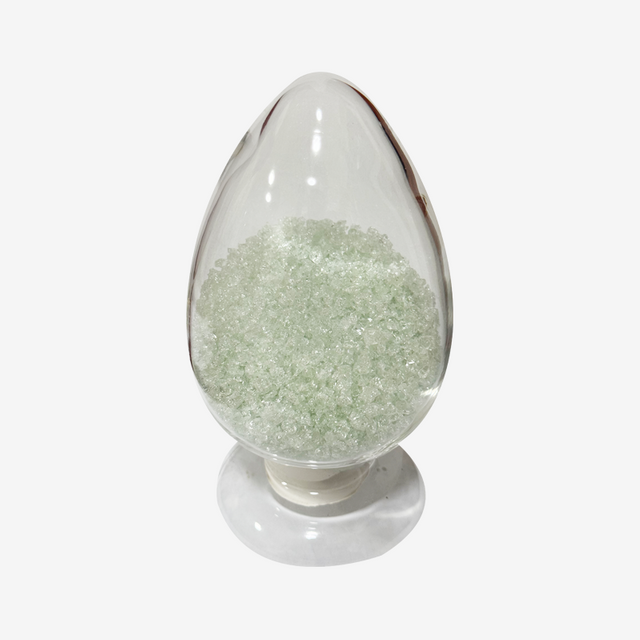
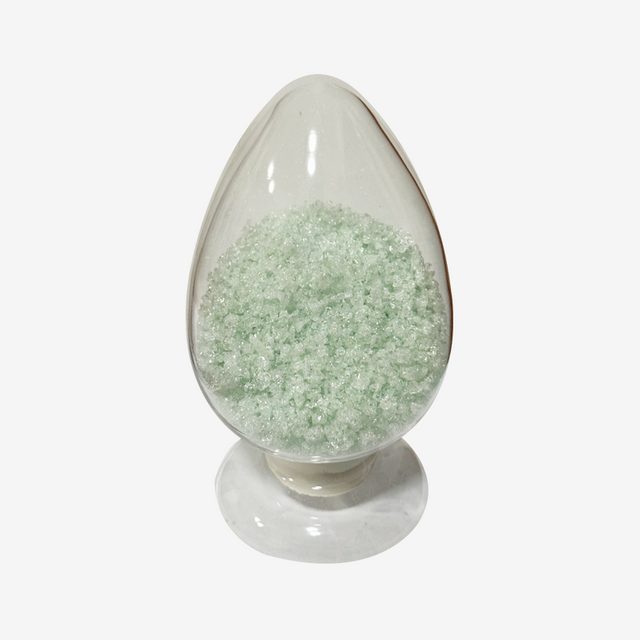
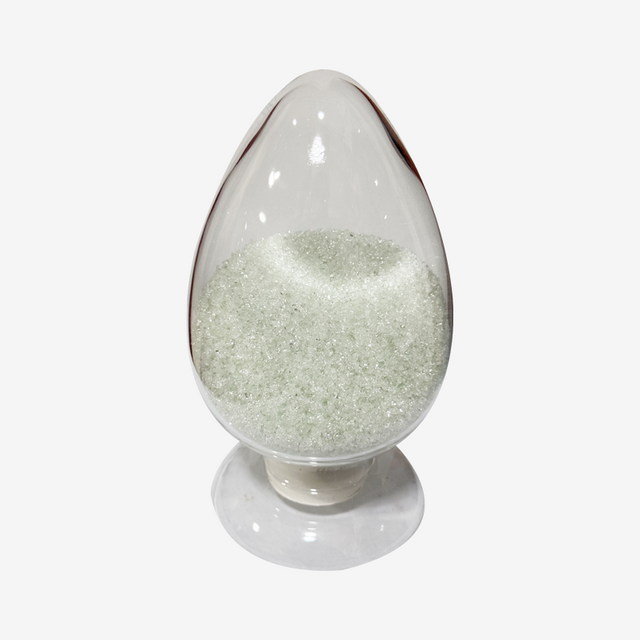
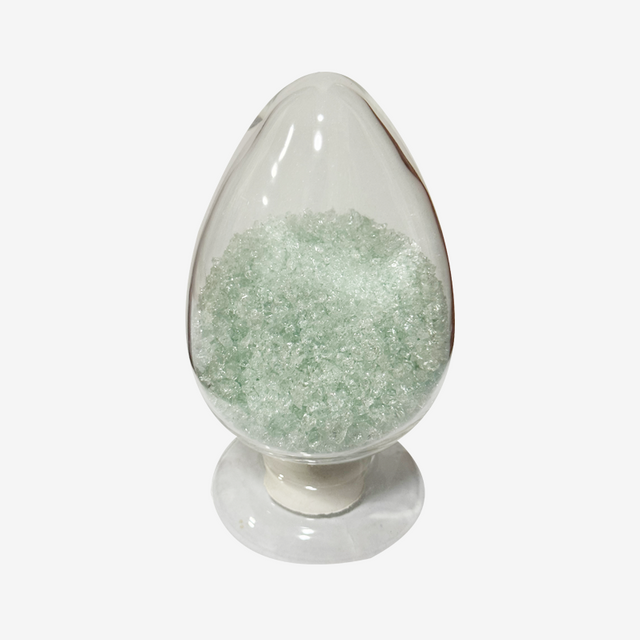
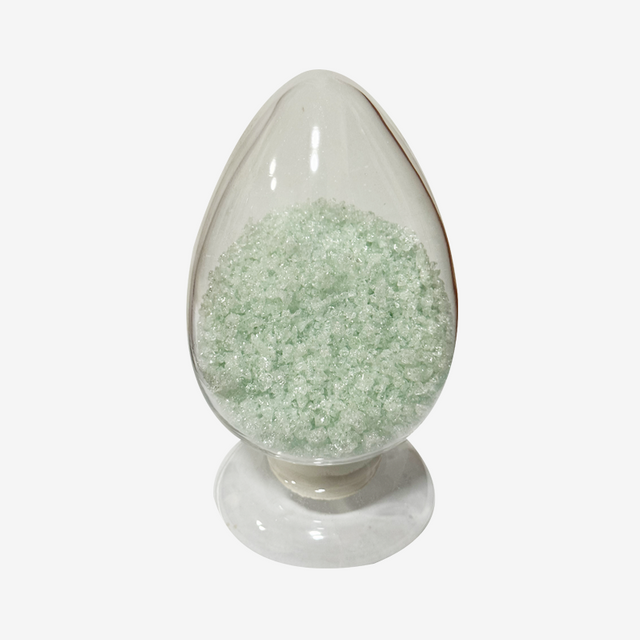
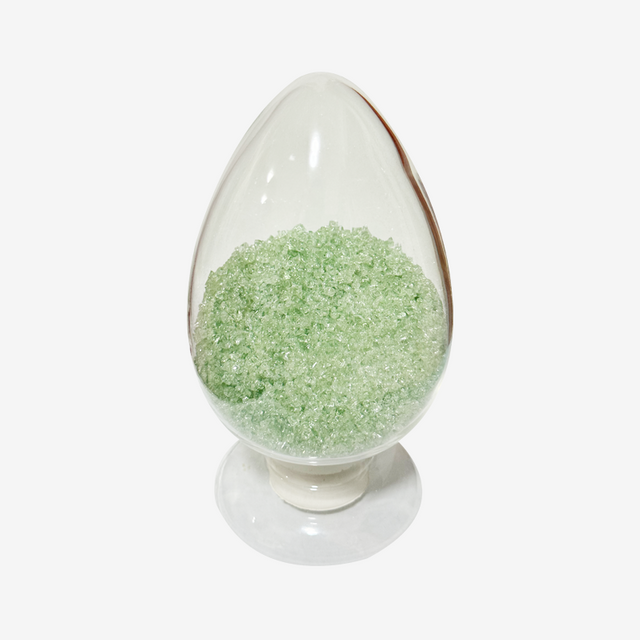
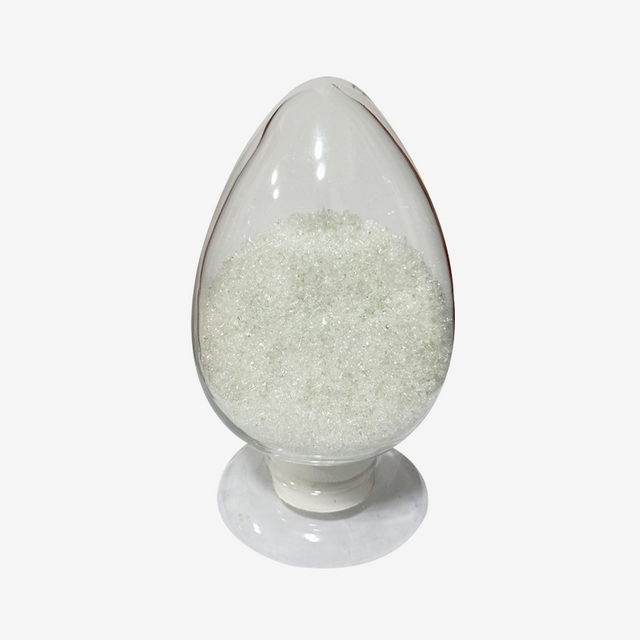
Automotive and crystal glass manufacturing requires a completely different physical profile. You should prioritize suppliers offering granular sizing. The sweet spot usually falls between 600 and 2000 microns (1 to 2 mm). Fine powders create unwanted dust in glass furnaces. Granular formats maintain a workable melt viscosity. You must also demand absolute zero iron-oxide guarantees to protect optical clarity.
Polymer and refractory co-usage introduces advanced chemical requirements. Some facilities produce composites or dead-burned refractories alongside ceramics. If you do, verify if the supplier offers modified materials. Coated dolomite, such as silane-treated grades, prevents polar rejection in polymers. For high-heat applications, you need highly stable dead-burned grades. These specialized formats resist ambient hydration.
Unstabilized high-magnesium materials easily absorb ambient moisture. Engineers call this hydration. It leads to clumping and alters batch weights. You must assess the supplier's packaging protocols. Look for moisture-barrier bulk bags. Review their climate-controlled storage procedures.
Mesh contamination poses a massive risk. Unmodified ultra-fine dolomite powder tends to agglomerate. Clumps cause uneven distribution in the frit melt. You cannot accept visual inspections alone. Require Particle Size Distribution (PSD) laser diffraction reports per batch. This data proves proper air classification occurred at the milling site.
Bait-and-switch purity is a common industry trap. A supplier might send a perfect master sample. Later, bulk shipments arrive full of silica or iron. You must ensure the quoted 99% purity applies to the specific mine seam currently being processed. Require third-party assay certificates. A reputable high purity ceramic frit supplier provides fresh certificates for every 50-ton bulk shipment.
Filtering out inadequate vendors saves your engineering team countless hours. Follow a rigid, three-step auditing process to protect your production line.
Step 1: Request Technical Data Sheets (TDS). Immediately filter out vendors unable to provide precise LOI curves. They must also show precise CaO/MgO ratios and comprehensive trace mineral analysis. Missing data indicates a lack of process control.
Step 2: Melt Fluidity Testing. Request 5 to 10 kg samples. Use these strictly for melt fluidity and LOI testing in your own kilns. You must validate the thermal behavior locally before committing to a larger pilot run.
Step 3: Audit the Processing Flow. Favor suppliers who own their crushing and grinding infrastructure. Look for advanced equipment like Raymond mills for fine mesh production. They should also own their air classification processes. Vertical integration significantly reduces third-party contamination risks.
By enforcing these steps, you secure a reliable dolomite frit supply chain that withstands production scaling.
Selecting a supplier extends far beyond negotiating the price per ton. It remains a strict engineering decision based on chemical purity.
You must verify thermal predictability and demand precise particle sizing to avoid glaze defects.
Default to suppliers who treat their material as a highly engineered ceramic component rather than a bulk agricultural commodity.
Initiate procurement by demanding batch-specific chemical assays upfront.
Conduct rigorous in-house thermal dissociation tests before authorizing any bulk raw material purchases.
A: Frit-grade dolomite undergoes stricter air classification for uniform mesh sizes. It is selectively mined or chemically processed to eliminate trace iron oxides and silicas. Standard grades contain these impurities, which directly cause glaze defects, pinholing, and discoloration during high-temperature firing.
A: LOI indicates how much CO2 gas the material will release and at what specific temperature. Dolomite predictably releases gas around 900°C. Knowing this exact thermal curve allows engineers to formulate firing schedules that prevent gas bubbles from becoming trapped in the melting glaze.
A: Not directly without comprehensive reformulation. Talc releases gas at much higher temperatures and entirely lacks calcium. This substitution fundamentally alters the thermal expansion coefficient. It also changes the final surface texture, shifting it from a soft matte to a different finish.
A: For standard frits, 200 to 325 mesh is a common and reliable specification. For specialized, highly uniform matte glazes, you should specify micro-milled grades between 400 and 800 mesh. This finer particle size ensures better integration into the melt and prevents surface speckling.