Views: 0 Author: Site Editor Publish Time: 2026-05-31 Origin: Site
In large-scale ceramic and porcelain production, achieving consistent glaze quality remains a primary operational challenge. Plant managers constantly balance strict aesthetic standards against rising kiln energy expenditures. The margin for error is incredibly thin. Relying solely on raw, un-fritted materials often creates unpredictable melting behaviors deep within the kiln. You frequently encounter higher necessary firing temperatures and experience increased defect rates, such as crazing or pinholing. These issues waste materials and reduce profitability.
Transitioning to pre-processed materials directly stabilizes your glaze formulation. Using a standardized Tile Melting Block lowers required melting points and significantly improves overall yield predictability. This guide evaluates the technical viability, production advantages, and integration risks of these solid ceramic frit batches. We aim to help plant managers and sourcing engineers make highly informed procurement decisions.
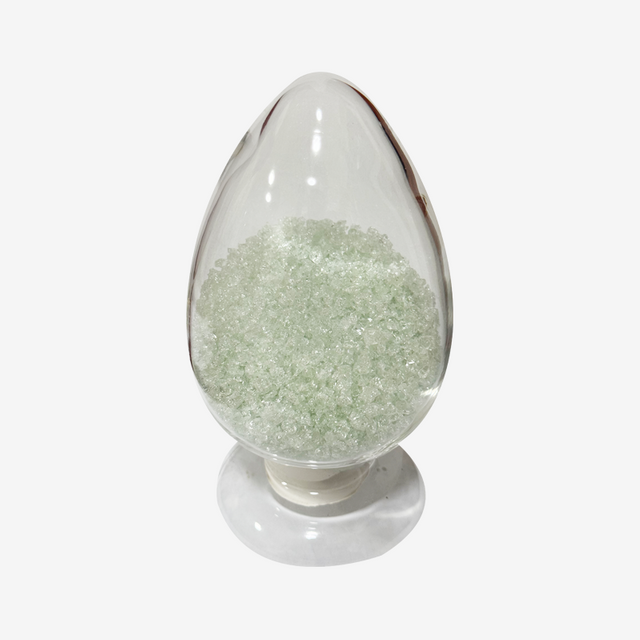
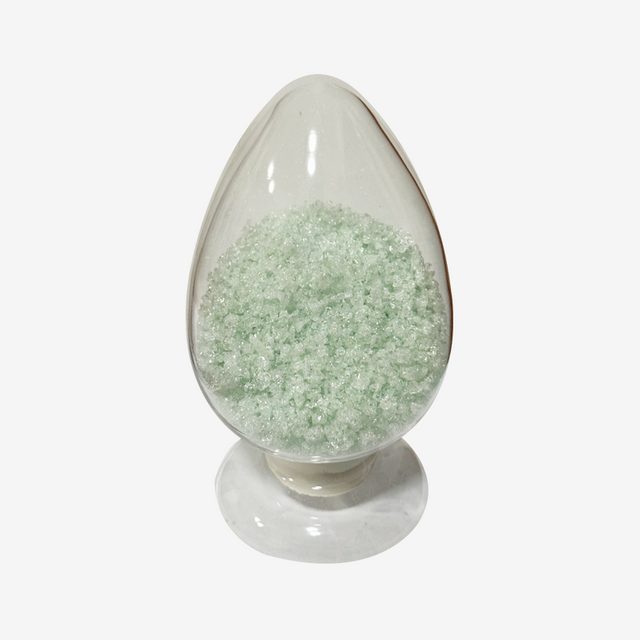
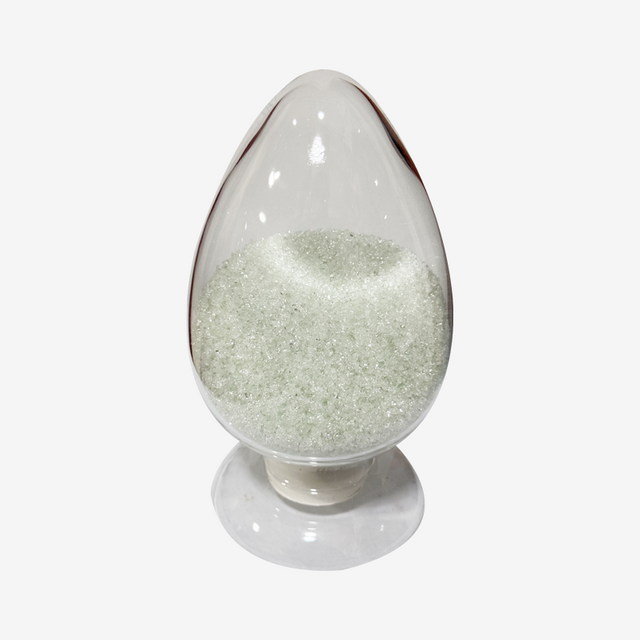
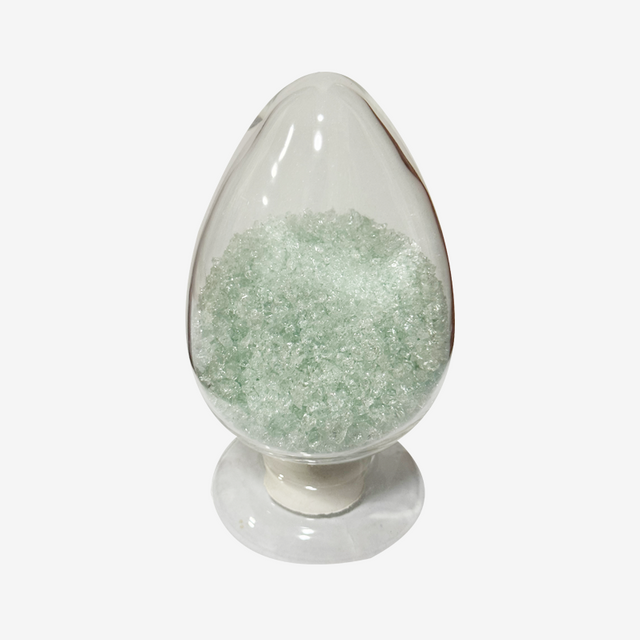
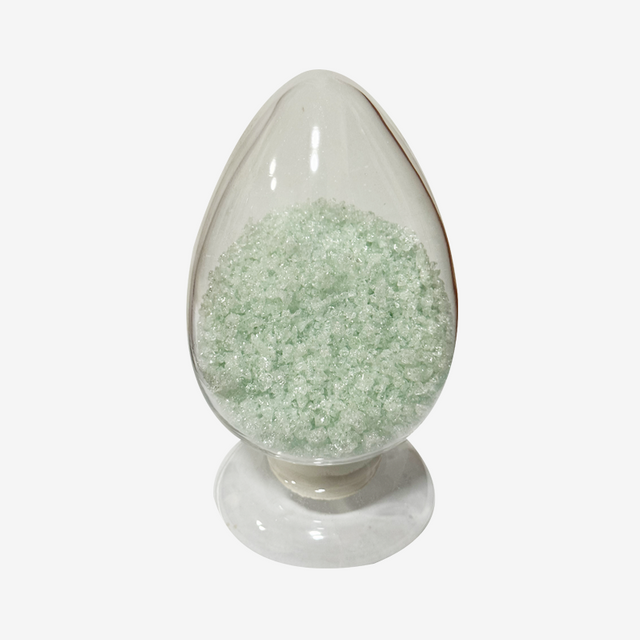
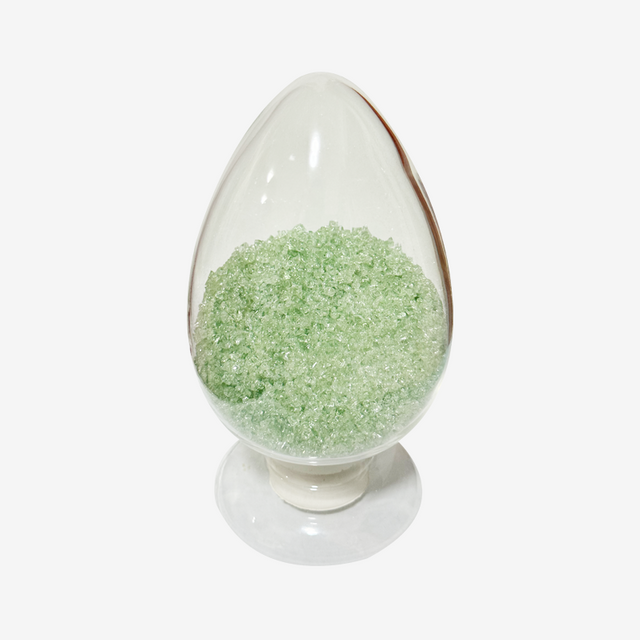
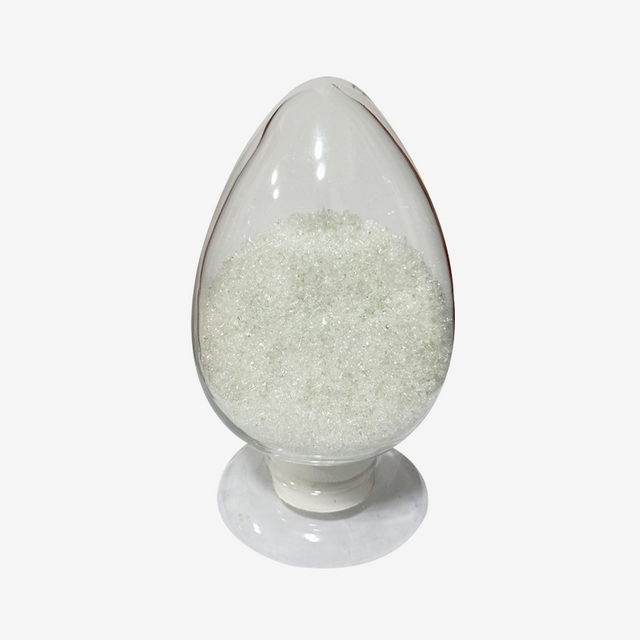
A high-grade tile melting block acts as a stabilized flux, locking volatile raw materials into a predictable, glassy matrix before the final kiln firing.
Primary tile melting block usage spans across high-traffic floor tile glazing, wall tile finishing, and specialized industrial ceramics.
Core ceramic frit advantages include reduced firing temperatures, lowered emissions of toxic volatiles, and exact control over thermal expansion coefficients.
Successful implementation requires rigorous batch testing to ensure the frit’s thermal expansion matches the specific clay body used in your facility.
Factory floors face constant pressure to optimize output. The baseline problem stems from the chemical nature of raw glaze components. Unpredictable raw material reactions in the kiln cause surface defects. When raw minerals heat up, they release carbon dioxide and sulfur dioxide. These gases bubble up through the melting glaze. If the glaze surface cools before the gases escape completely, you get pinholes and blisters. This leads to high rejection rates and wasted energy. Your quality control team ends up rejecting tiles which could have generated revenue.
We solve this through a specific technical mechanism. A melting block is essentially a pre-fused compound. Manufacturers melt raw materials like silica, fluxes, and opacifiers together rapidly. They then cool the liquid mixture quickly to form a glass. This fritting process eliminates volatile gases prior to final production. You essentially receive a purified, pre-reacted glass base. It needs only to be milled and applied to your tile bodies.
The outcome-driven value is substantial. Utilizing specialized tile manufacturing frit transforms a highly variable chemical reaction into a standardized melting process. It removes the volatile variables from your factory floor. This lowers the necessary firing temperature. A lower firing temperature directly reduces fuel consumption. It also protects your expensive kiln infrastructure from extreme thermal degradation over time.
How do we measure success? A successful transition should yield specific metrics.
Energy Reduction: Expect a measurable drop in natural gas or electricity costs per square meter of tile produced.
Defect Minimization: You should see a statistically significant reduction in surface defects like pinholing, crawling, and blistering.
Cycle Time: Fast-fire cycles often become shorter because the glaze melts faster and more uniformly.
Modern ceramics facilities produce diverse product lines. Each line requires specific material properties to meet consumer demands and architectural standards. Strategic tile melting block usage adapts perfectly to these varying requirements.
Commercial spaces demand rugged materials. High-traffic flooring applications require extreme abrasion resistance. We typically measure this using PEI IV and V ratings. A dedicated floor tile frit provides the necessary structural integrity. The block ensures a completely vitrified, non-porous protective layer. It effectively resists mechanical wear from heavy foot traffic. It also withstands harsh chemical exposure from industrial cleaning agents. Unlike softer wall glazes, these floor formulations prioritize Mohs hardness. They utilize specific mineral fluxes to create a dense, scratch-resistant glass network.
Modern manufacturing prioritizes speed. Facilities utilizing fast-fire cycles require glazes capable of melting quickly and evenly. Traditional raw glazes need hours to off-gas and mature properly. Fast-fire roller kilns push tiles through the firing zone in under 45 minutes. Pre-melted blocks fit this environment perfectly. Chemists formulate them specifically to match the rapid heating and cooling curves of modern roller kilns. The pre-reacted glass melts smoothly without boiling. This prevents the surface disruption typical of rushed raw material blends.
The aesthetic surface depends heavily on the layers beneath it. Manufacturers frequently use frits as an intermediate engobe layer. This layer masks clay body imperfections. Sometimes the raw clay burns to an undesirable dark color. An engobe hides this background. More importantly, it provides a chemically stable bridge. It sits directly between the raw clay and the final aesthetic glaze. The engobe balances the thermal expansion differences between the body and the topcoat. It stops the glaze from cracking under stress.
Switching from raw formulations to pre-fused blocks requires investment. However, the operational benefits usually justify the shift. We can categorize ceramic frit advantages into several key technical areas.
Glaze fit is the most critical aspect of tile durability. Fritting eliminates the guesswork in matching the glaze to the clay body. Every ceramic material expands when heated and shrinks when cooled. We call this the Coefficient of Thermal Expansion (COE). Precise control over the frit's COE prevents post-production crazing. Crazing looks like a fine network of cracks on the surface. Conversely, precise control also prevents shivering, where the glaze flakes off the tile edges. Pre-melted blocks offer highly predictable COE values. You can select a block perfectly calibrated for your local clay source.
Worker safety and environmental regulations grow stricter every year. Raw glazes sometimes contain hazardous compounds like lead or barium. Handling these in raw powder form creates dangerous airborne silica and heavy metal dust. By pre-melting toxic compounds into an insoluble glass matrix, the frit mitigates these risks. It significantly reduces airborne hazards on the factory floor. Furthermore, it ensures compliance with strict environmental outgassing regulations. The hazardous elements are locked away securely. They cannot leach into groundwater or poison workers during the mixing phase.
Architectural clients demand perfect color matching across massive orders. Raw materials often contain iron or titanium impurities. These impurities cause unpredictable color shifts during firing. A pre-melted block provides a chemically inert base. It does not react adversely with ceramic stains. This ensures batch-to-batch color consistency. It is critical for fulfilling large commercial orders. When you apply a blue stain to a pure fritted base, it stays exactly the right shade of blue.
Energy consumption dominates operational expenses. The block acts as a powerful flux. The primary advantage is the ability to achieve a mature, glossy finish at much lower temperatures. Raw material blends might require 1200°C to fuse completely. A properly formulated frit might mature beautifully at 1100°C. This 100-degree difference saves immense amounts of natural gas. It also extends the lifespan of your kiln refractory bricks.
Feature | Raw Glaze Formulation | Tile Melting Block (Frit) |
|---|---|---|
Maturation Temperature | High (often >1180°C) | Low to Moderate (often 1050°C - 1120°C) |
Defect Risk (Pinholes) | High (due to in-kiln outgassing) | Low (gases removed during pre-melting) |
Color Consistency | Variable (depends on mineral purity) | Highly Stable (inert glass base) |
Handling Safety | Lower (airborne dust, soluble hazards) | Higher (locked into insoluble glass) |
While the benefits look attractive, transitioning production lines involves real-world challenges. You must manage specific integration risks to prevent catastrophic production failures.
If the Coefficient of Thermal Expansion (COE) of the chosen frit does not precisely align with your local clay body, structural failure of the glaze is inevitable. A mismatch creates mechanical stress. Pilot testing is non-negotiable. You cannot simply buy a block based on catalog specifications and run it on a main production line. The clay body dictates the required glaze COE. You must perform dilatometer tests to measure expansion curves. If the glaze shrinks much more than the clay, it will crack. If it shrinks less, it will peel off.
Best Practice: Always request a dilatometer curve from your supplier and compare it against your fired clay body curve before bulk ordering.
Frits generally offer excellent stability. However, specific finely milled frits exhibit hygroscopic behavior. They can absorb ambient moisture from humid factory air. This moisture leads to severe clumping inside storage silos. Clumped frit causes uneven feeding into ball mills. It ultimately leads to inconsistent application weights on the glazing line. You must store these materials in dry, climate-controlled environments. Ensure your silos have proper moisture traps.
Common Mistake: Storing finely milled fritted powders outdoors under simple tarps during rainy seasons. This guarantees poor milling efficiency.
Budget constraints always play a role. Premium tile melting blocks carry a higher upfront procurement cost compared to simple raw fluxes like feldspar or whiting. Procurement teams sometimes balk at this initial price tag. Evaluation models must look past the raw invoice cost. You must offset this expense against reduced kiln energy bills. You must also factor in higher first-pass yield rates. When you reduce scrap from 6% to 1.5%, the extra material cost quickly pays for itself. Calculate the true ROI based on the number of perfectly finished, sellable tiles exiting the kiln.
Choosing the right manufacturing partner dictates your ultimate success. The ceramics industry relies heavily on trusted supply chains. You need suppliers who act as technical partners, not just material vendors.
Marketing brochures rarely solve factory floor problems. Prioritize suppliers who provide comprehensive chemical breakdowns. They should readily supply exact COE metrics and precise melting curve data. Avoid vendors who rely on vague marketing claims about "superior gloss." You need hard data. Ask for their viscosity curves at your target firing temperature. If they hesitate to provide detailed technical data sheets (TDS), look elsewhere.
Never rush the transition. Request smaller sample blocks for localized pilot testing. Run these samples through your specific firing cycles. Do not rely on generic lab conditions. A laboratory kiln heating up over 8 hours behaves entirely differently from an industrial roller kiln moving at 40 minutes per cycle. Apply the test glaze to your actual clay bodies. Fire them alongside your normal production tiles. Evaluate the results under standard factory lighting.
Verify the supplier’s capacity to maintain strict chemical consistency. They must deliver exact matches across multi-ton orders over several years. Minor variances in supplier raw materials can cascade into major production defects for you. Ask about their internal quality control processes. Do they perform X-ray fluorescence (XRF) testing on every batch before shipping? Reliable suppliers keep strict retention samples of every lot they send you.
Transitioning to a new material requires a structured approach. Follow these immediate steps:
Audit Current Baselines: Document your current energy expenditure per firing cycle. Record your exact defect rate tied to glaze inconsistencies over a 30-day period.
Request Samples: Contact three reputable suppliers. Request 50kg samples of their recommended melting blocks matching your target temperature.
Run Pilot Mills: Mill the samples in a small lab mill using your standard water and additive ratios. Check the rheology (flow and density).
Conduct Line Trials: Run a small batch of 500 tiles through your standard production line and evaluate the fired surface quality.
Integrating a specialized tile melting block acts as a direct investment in production predictability. It strategically shifts the burden of chemical stabilization away from your busy production kiln. Instead, it places that burden onto the supplier’s specialized manufacturing process. You stop fighting raw chemical reactions and start managing a standardized physical melt.
For operations scaling up the production of high-durability floor tiles, the benefits become obvious rapidly. If you seek to lower energy expenditures, the advantages of pre-fritted materials heavily outweigh the upfront material costs. You must, however, enforce strict compatibility testing. Control the thermal expansion variables. Manage your storage conditions carefully. By doing so, you secure higher yields, superior glaze quality, and a much more efficient manufacturing operation overall.
A: Raw glazes contain unreacted minerals that must release gases and fuse during firing. A melting block (frit) has already undergone this reaction, resulting in a cleaner, faster, and more predictable melt on the final product.
A: Floor tile applications require distinct chemical formulations designed to maximize scratch resistance (Mohs hardness) and chemical durability, whereas wall tile formulations often prioritize high gloss and aesthetic clarity over structural toughness.
A: Yes. Because the complex chemical reactions and outgassing have already occurred during the frit's creation, the final firing requires less thermal energy and time to achieve a smooth, fully matured surface.
A: The most common failure points are thermal expansion mismatches between the new frit and the existing clay body, and incorrect firing profiles that result in either under-melted (matte/rough) or over-melted (running) glazes.