Views: 0 Author: Site Editor Publish Time: 2026-06-03 Origin: Site
Industrial tile manufacturing operates under incredibly harsh realities every single day. Modern production lines push materials through continuous roller kilns stretching up to 150 meters long. Inside these massive kilns, temperatures routinely soar between 1000°C and 1346°C to achieve proper vitrification. However, inconsistent fluxing materials or poorly formulated frits cause devastating late-stage manufacturing defects. These raw material issues trigger costly warping, severe pinholing, and critical COE (Coefficient of Thermal Expansion) mismatches. When your base materials fail under extreme heat, entire production batches quickly turn into expensive scrap.
We created this guide to provide plant managers, ceramic engineers, and procurement officers with a highly practical, evidence-based evaluation framework. You will learn exactly how to assess critical raw materials for thermal stability and mechanical strength. Finally, we will show you how to choose a manufacturing partner who guarantees strict batch-to-batch consistency and high-yield continuous production.
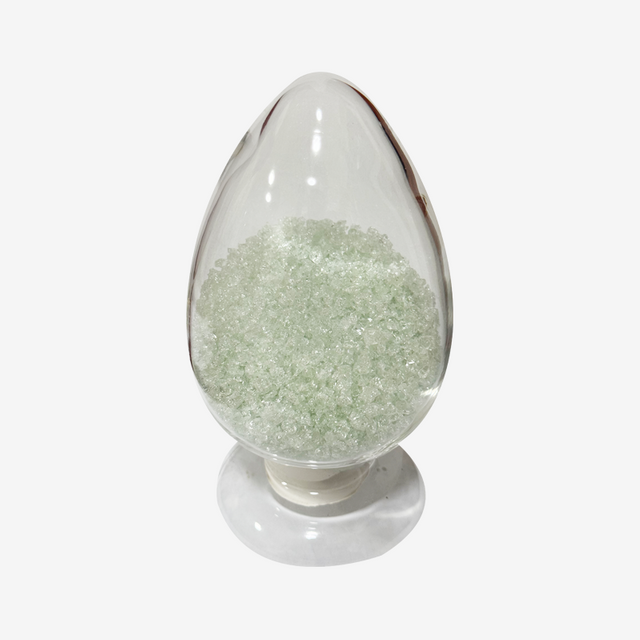
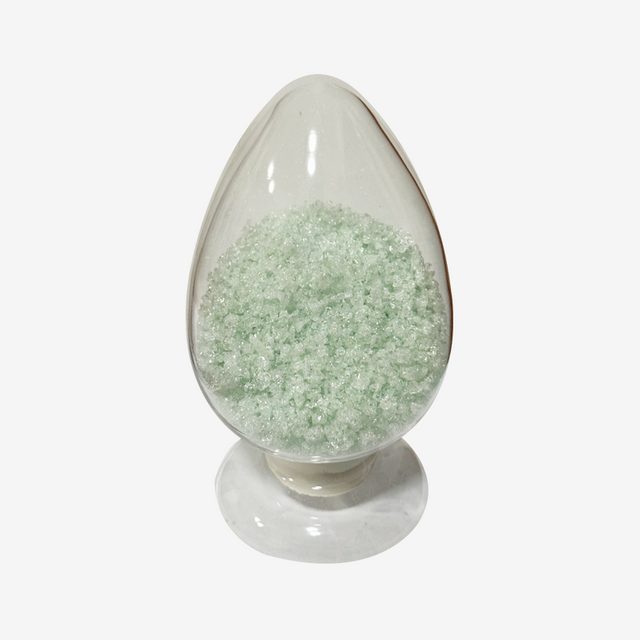
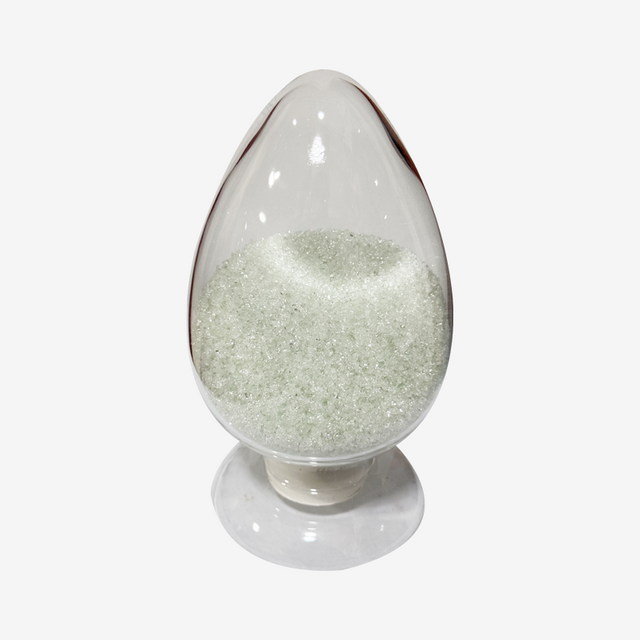
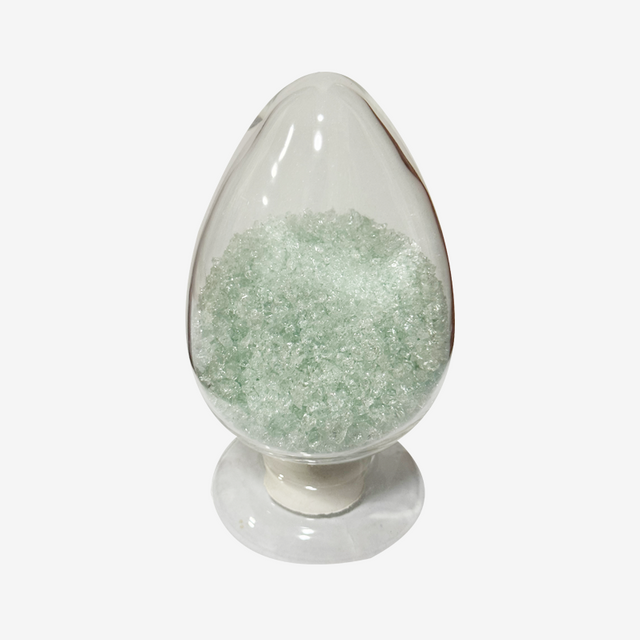
Yield is tied to thermal predictability: The right melting block dictates the vitrification speed and stability of the tile matrix under extreme kiln conditions.
COE matching is non-negotiable: Evaluating a tile production frit requires precise alignment with the clay body and engobe to prevent cooling fractures and planarity defects.
Supplier vetting requires technical transparency: A reliable tile melting block supplier must provide verifiable batch QA data to mitigate risks in continuous pressing environments.
Industrial tile manufacturing leaves absolutely zero room for raw material variance. Unpredictable shrinkage directly hurts the profitability of your large-batch runs. When you fire thousands of square meters daily, minor thermal fluctuations cost thousands of dollars. A sub-par melting agent causes uneven contraction across the tile body. This uneven contraction leads to dimensional instability and immediate sorting rejection.
Factories recently transitioned from traditional dust pressing to rapid continuous firing. Traditional hydraulic presses routinely apply forces exceeding 500kg/cm² to shape the green body. Moving these dense pressed tiles into rapid roller kilns demands extreme thermal predictability. A premium Tile Melting Block guarantees this vital vitrification stability. It must maintain perfect planarity. It must also hold structural integrity without forcing you to slow down the kiln line speed.
We define successful procurement through strict, measurable manufacturing criteria. You must look beyond the initial purchase price and measure final operational output.
Lower Defect Rates: A massive reduction in late-stage warping and cooling fractures.
Optimized Temperatures: Lower required firing temperatures for ongoing energy savings.
Surface Quality: The complete elimination of pinhole formations on glazed surfaces.
Common Mistake: Many procurement teams treat fluxing blocks as interchangeable commodities. They base decisions purely on lowest-bidder pricing. This approach ignores the devastating financial impact of late-stage kiln rejections.
We must evaluate any ceramic tile raw material across three strict technical dimensions. First, chemical purity dictates the complex mineral interaction during firing. You must perfectly balance plasticizers against structural components. Materials like ball clay and kaolin provide necessary plasticity for the pressing phase. Quartz provides the rigid skeletal structure. The melting block provides the essential fluxing power binding these raw elements together.
Next, we separate absolute melting point from thermal conductivity. Achieving a glass-like vitrified state requires reaching specific peak temperatures. However, efficient internal heat transfer reduces your required soak time. High thermal conductivity allows heat to penetrate the dense tile core rapidly. Fast heat transfer saves valuable gas energy and speeds up the continuous firing cycle.
Finally, material density and porosity dictate final field performance. The melting block density directly impacts water absorption rates. As the block liquefies, it fills the interstitial gaps between clay and quartz particles. Outdoor or frost-resistant applications require absorption rates strictly below 3%. High-density fluxing agents achieve this standard effortlessly.
Material Interaction and Function Matrix | ||
Material Component | Primary Manufacturing Function | Impact on Firing Process |
|---|---|---|
Ball Clay / Kaolin | Plasticity and structural forming | Provides green strength before entering the kiln |
Quartz | Hardness and durability | Prevents extreme shrinkage and maintains shape |
Melting Block (Flux) | Vitrification and matrix binding | Lowers melting point, permanently dictates porosity |
Best Practice: Always test raw materials in a lab kiln to measure their specific heat transfer rate. Do not rely solely on theoretical melting point data provided on generic specification sheets.
Perfecting the thermal "fit" represents the highest level of applied industrial chemistry. A high-quality tile production frit must precisely match the thermal expansion coefficient (COE). It aligns the underlying clay body and the intermediate engobe layer. The engobe layer masks the dark clay body, but it introduces another variable into the thermal equation.
We must control cooling mechanics carefully inside the kiln. The frit, engobe, and clay body contract differently during the critical cooling phase. Mismatched contraction rates cause immediate crazing (fine surface cracks) or severe shivering (glaze peeling off the edge). Proper COE fit places the glaze under slight compression. This compression prevents catastrophic cooling fractures from destroying your yield.
Furthermore, premium frits optimize surface tension as they melt. They create a beautifully smooth, pinhole-free finish. Micro-bubbles often rise from the clay body during firing. A well-formulated frit allows these bubbles to escape before sealing the surface. This pristine surface serves as the ideal canvas for high-resolution inkjet printing technologies. Inkjet systems require absolute flatness to accurately replicate complex natural stone or wood textures.
Modern pressing technologies fundamentally changed our raw material requirements. Factories actively shift from traditional hydraulic presses to continuous moldless lines. Systems like Continua+ or Lamina technologies create massive, ultra-thin slabs. Some of these continuous architectural slabs reach 3 meters in length while measuring only 3.5mm thick.
Large format production introduces a dangerous "stress trap" into the manufacturing process. Slabs exceeding traditional 12x12 inch formats suffer from extreme thermal tension. Heat escapes unevenly from massive surface areas. You must use an advanced architectural ceramic frit to manage this immense physical stress. The chosen material must allow for incredibly slow, uniform annealing. Uniform cooling throughout the entire slab prevents severe warpage and hidden tension cracks.
The molten phase of the block provides critical mechanical strength. It thoroughly binds the internal quartz and clay matrix together. This resulting chemical bond delivers the intense compressive strength necessary for heavy structural use. High-traffic architectural tiles demand this rigid internal bonding to survive commercial wear and tear.
Common Mistake: Using standard small-format frits on large architectural slabs. Standard materials cool too quickly on the edges. This rapid edge cooling traps heat in the center, causing the slab to bow or shatter upon exiting the kiln.
You cannot compromise on supply chain traceability in modern ceramics. The earth does not produce perfectly uniform minerals. Sudden shifts in mined chemical composition destroy carefully calibrated production yields. You must partner with a tile melting block supplier who strictly controls their own raw mineral sourcing. Direct sourcing control ensures long-term batch stability and protects your factory from sudden formula variations.
Always demand rigorous batch-to-batch consistency metrics. Ask your supplier for detailed particle size distribution (PSD) data. Finer particles melt significantly faster, altering your established firing curves. Request comprehensive melting behavior curves for every incoming shipment. You also need strict impurity tolerances. High iron or titanium levels will drastically alter the tile's final whiteness, ruining premium light-colored designs.
Switching suppliers carries inherent implementation risks. A new formulation always requires careful plant recalibration. You must meticulously adjust kiln firing curves and standard drying times. Proper calibration prevents catastrophic yield drops during the initial rollout phase. The right supplier will send technical engineers to assist your team during this critical transition.
We recommend a highly structured shortlisting process. Never rush the final procurement decision. Implementing new materials impacts every single downstream process in your factory. Use these three mandatory steps to validate new materials effectively.
Step 1: Lab-Scale Trials. You must mandate rigorous lab kiln testing first. Use a dilatometer to measure exact thermal expansion. Test every shortlisted material for shrinkage rates. Complete these controlled tests before attempting any expensive plant-level trials.
Step 2: Cost-to-Performance ROI Mapping. Look far beyond the basic per-ton price. Evaluate the overall operational efficiency impact. Factor in potential energy savings if the new material allows for lower peak firing temperatures. Calculate the financial gain from anticipated scrap rate reductions. This holistic ROI approach reveals the true value of premium materials.
Step 3: Pilot Line Validation. Run a tightly limited continuous-line test. Observe real-world mechanical interactions. Monitor how the fired material behaves under automated laser sorting machines. Ensure the new edges survive modern rectification equipment without chipping.
Evaluation Summary Chart for Procurement Validation | ||
Testing Phase | Primary Objective | Key Performance Metric |
|---|---|---|
Lab-Scale Trials | Validate baseline thermal properties | COE alignment and Shrinkage % |
ROI Mapping | Assess long-term financial viability | Energy savings & scrap reduction |
Pilot Line Validation | Real-world defect monitoring | Final yield rate & sorting pass % |
Choosing the right fluxing agent goes well beyond basic commodity purchasing. It represents a precise exercise in applied thermodynamics and complex chemistry. Your raw material choices dictate the ultimate survival of your product inside the 150-meter kiln. High temperatures expose every single flaw in your material formulation.
We strongly encourage procurement teams to prioritize COE fit and supplier consistency above all else. Always demand lab-verified thermal data over lowest-bidder pricing. Protecting your manufacturing margins requires highly predictable, premium quality materials. Follow this strict evaluation framework to secure your production line, optimize your energy usage, and eliminate costly late-stage manufacturing defects.
A: The standard melting range typically falls between 1000°C and 1200°C. The exact ideal temperature depends entirely on the specific flux composition and your desired vitrification level. Lower melting temperatures help factories save massive amounts of industrial energy, provided the frit still achieves complete structural binding.
A: The melting material liquefies and completely fills the interstitial spaces between clay and quartz particles during firing. This physical bonding significantly lowers overall porosity. Meeting frost-resistant industry standards requires a final water absorption rate of 3% or less.
A: A reputable supplier must provide comprehensive Quality Assurance documentation with every single batch. Standard testing protocols should include full chemical analysis, COE (Coefficient of Thermal Expansion) curves, fusion button test results, and detailed particle size distribution (PSD) charts.